Study Links GLP-1 Drugs to Increased Hair Loss Risk in Men with Genetic Predisposition
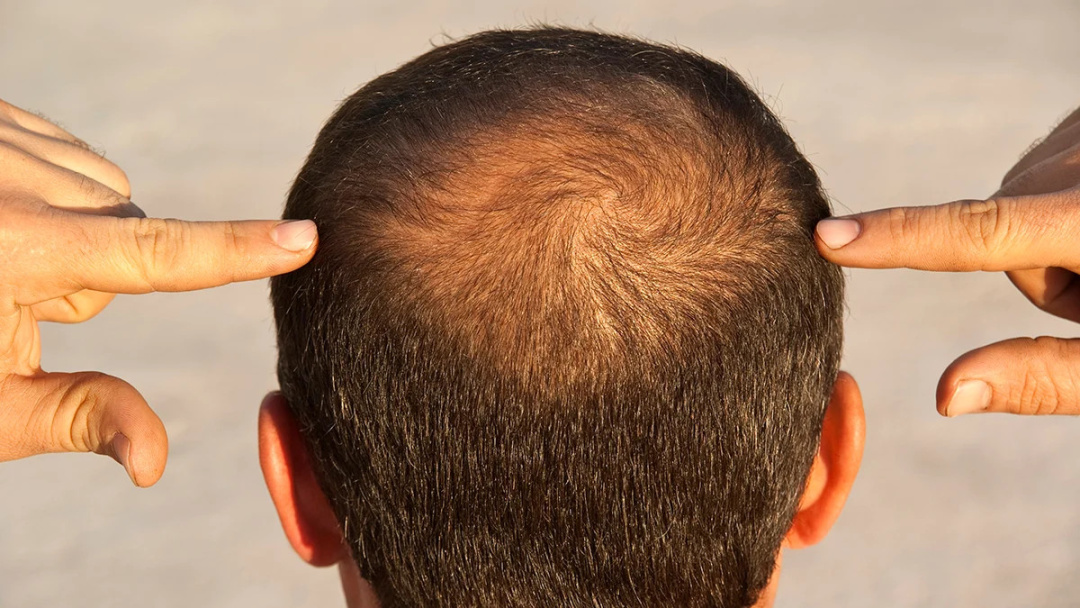
GLP-1 drugs, such as Wegovy and Ozempic, have gained significant attention for their effectiveness in managing weight loss and type 2 diabetes. However, emerging concerns about potential adverse health effects have prompted further investigation into these medications. A new study published in the Journal of Investigative Dermatology explores the possible negative side effects of GLP-1 drugs, particularly their association with hair loss. Previous reports from patients have suggested a link between GLP-1 drugs and hair loss, but robust scientific data confirming this relationship has been lacking. To address this gap, researchers from New York University (NYU) Grossman School of Medicine conducted a study utilizing a genetic analysis technique known as Mendelian Randomization to investigate this potential connection. Their findings indicate that men who are genetically predisposed to androgenetic alopecia may face a 7 percent increased risk of hair loss when using GLP-1 drugs. Senior investigator Lynn Petukhova, a geneticist at NYU, stated, "Our study provides the first genetic link between GLP-1 use and an increased risk of male-pattern hair loss from androgenetic alopecia, an association long suspected but until now not shown scientifically." The researchers employed Mendelian Randomization, which uses genetic variants as proxies for actual drug use. They identified 22 genetic variants that enhance GLP-1 receptor (GLP1R) expression in the blood, which are linked to the pathways targeted by GLP-1 drugs. By cross-referencing these variants with a health database of over 205,000 individuals, they found that men with androgenetic alopecia were more likely to possess these GLP1R genetic variants. This suggests a potential link between elevated GLP-1 receptor proteins and hair loss, as GLP-1 medications may increase these proteins in the body. However, the researchers caution that the relationship is not a direct cause-and-effect scenario, as possessing GLP1R genetic variants does not equate to taking GLP-1 drugs. The study also notes that while the findings are significant, the clinical relevance remains uncertain. The researchers believe that similar associations could exist for women, although the current study primarily focused on men due to the limited data available regarding patterned hair loss in women. The implications of these findings are noteworthy for both healthcare providers and patients considering GLP-1 medications. Understanding the potential side effects of these drugs, including hair loss, can aid in informed decision-making regarding their prescription. Petukhova suggests that future research may lead to screening protocols for hair loss risk before prescribing GLP-1 medications, potentially allowing for combination treatments to prevent hair loss, such as minoxidil. The study aligns with previous research that has also indicated a connection between GLP-1 drugs and hair thinning compared to traditional diabetes treatments. While the exact mechanisms behind this association remain unclear, the researchers emphasize the importance of continued investigation into the effects of GLP-1 medications on hair follicles and overall metabolism. Overall, this study underscores the need for awareness regarding the potential side effects of GLP-1 drugs, particularly concerning hair loss risk in genetically susceptible individuals. As research progresses, a clearer understanding of the relationship between GLP-1 receptor expression and hair loss may emerge, guiding future clinical practices and patient care.