Nutritional Claims of New Babybel Protein Cheese Questioned by TikTok User
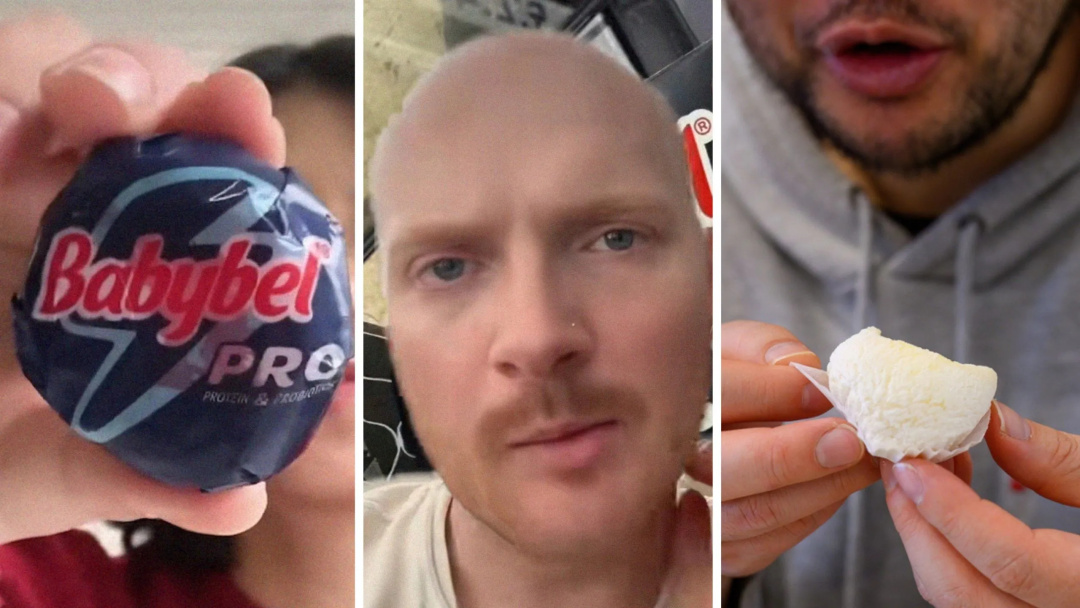
A recent TikTok video has sparked discussion about the new Mini Babybel Protein cheese, with a user questioning its nutritional value amid America's growing obsession with protein. The TikToker, known as @thebaldestbitch, compared the new product to the original Mini Babybel and Mini Babybel Light, noting that the protein content difference is minimal. In his video, which garnered 3.9 million views, he pointed out that the Babybel Protein contains 5.2 grams of protein per portion, only 0.8 grams more than the original and just 0.2 grams more than the light version.
He criticized the marketing of the product, stating that despite its branding and packaging, the nutritional difference is negligible. He remarked, "You can turn it black; you can add a lightning symbol all you want. That is bollocks." His commentary reflects a growing skepticism towards food marketing strategies that emphasize protein content without substantial differences in nutritional value.
Babybel has positioned the Protein variety as a snack suitable for pre- or post-workout consumption, tapping into the rising consumer demand for protein-rich foods. This trend has seen a significant increase in the number of brands marketing everyday snacks with protein claims. In fact, a survey indicated that 71% of Americans were trying to consume more protein in 2024, up from 59% in 2022.
The launch of Babybel Protein in the U.S., U.K., and France aligns with this trend, as consumers increasingly associate protein with health benefits, energy, and weight management. However, the question remains whether the marketing of such products creates misleading impressions about their actual benefits. While U.S. law prohibits false or misleading food labeling, the challenge lies in whether the presentation of the Babybel Protein misleads consumers regarding its nutritional superiority.
As the food industry continues to evolve, the emphasis on protein in marketing is becoming more prevalent, with manufacturers promoting protein in a variety of products, from snacks to cereals. This shift reflects changing consumer perceptions and demands, but it also raises important questions about the authenticity of health claims made by food brands. The TikTok user's critique serves as a reminder for consumers to critically evaluate the nutritional claims of products marketed to them, especially in a landscape where protein has become a buzzword.