Study Links Slightly Elevated Blood Pressure in Young Adults to Increased Disease Risk
A new study presented at the American Heart Association's EPI|Lifestyle Scientific Sessions 2026 has highlighted a concerning trend regarding blood pressure in young adults. Researchers analyzed health records from 291,887 adults tracked from age 30 to midlife, revealing that even modestly elevated blood pressure can have significant long-term health consequences. The study, which utilized data from the Korean National Health Insurance Service, challenges the previously held belief that slightly elevated blood pressure is not a concern for younger individuals.
The findings are particularly timely, given that nearly half of U.S. adults are reported to have high blood pressure, according to the American Heart Association's 2026 statistics. Hypertension is recognized as a leading modifiable risk factor for cardiovascular disease globally. Researchers calculated each participant's cumulative blood pressure exposure from ages 30 to 40, taking into account the duration and severity of elevated readings. This approach provided a clearer picture of blood pressure trends over time rather than relying on isolated measurements.
The study's results indicated that even small, persistent elevations in blood pressure can lead to significant health risks. For instance, a systolic blood pressure just 10 points higher than peers was associated with a 27% increased risk of heart disease and a 22% increased risk of kidney disease. Similarly, a diastolic pressure about 5 points higher was linked to a 20% increase in heart disease risk and a 16% increase in kidney disease risk. Participants in the highest 20% of cumulative systolic blood pressure were found to be approximately 3.5 times more likely to develop heart conditions and three times more likely to develop kidney disease compared to those in the lowest group.
This research fundamentally alters the clinical perspective on blood pressure management in young adults. Hokyou Lee, the study's lead author and an associate professor at Yonsei University College of Medicine, emphasized that long-term exposure to higher blood pressure from an early age can accumulate damage, increasing midlife risks even when short-term predictions appear favorable. The American Heart Association's 2025 High Blood Pressure Guideline, which recommends treatment for stage 1 hypertension after lifestyle modifications, aligns with this new evidence, suggesting a shift in clinical thinking.
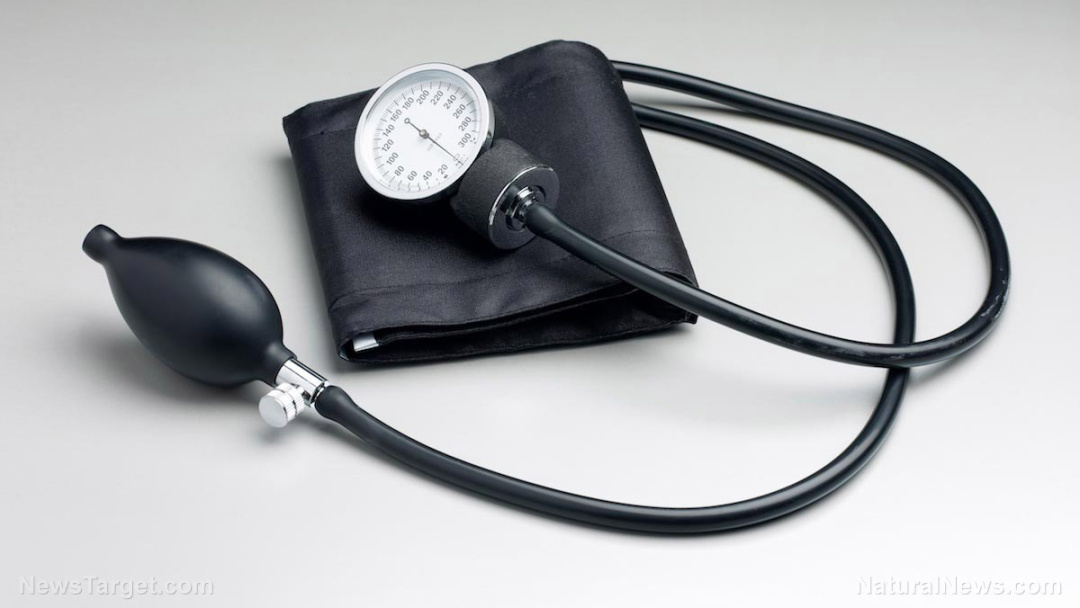
The study also outlines practical strategies for young adults to manage their blood pressure effectively. Regular monitoring of blood pressure, engaging in physical activity, making dietary changes to reduce sodium intake and increase whole foods, managing weight, and reducing stress through activities like meditation and yoga are all recommended.
The implications of this study extend beyond individual health, suggesting that early blood pressure management should be a public health priority. Daniel W. Jones, a past president of the American Heart Association, called for randomized clinical trials to further explore the effectiveness of early treatment for high blood pressure in reducing long-term health risks. This study serves as a crucial reminder that the blood pressure readings in young adulthood are not merely numbers but significant indicators of future health outcomes.