Satellite Imagery Reveals Climate Change Effects on Penguin Diets
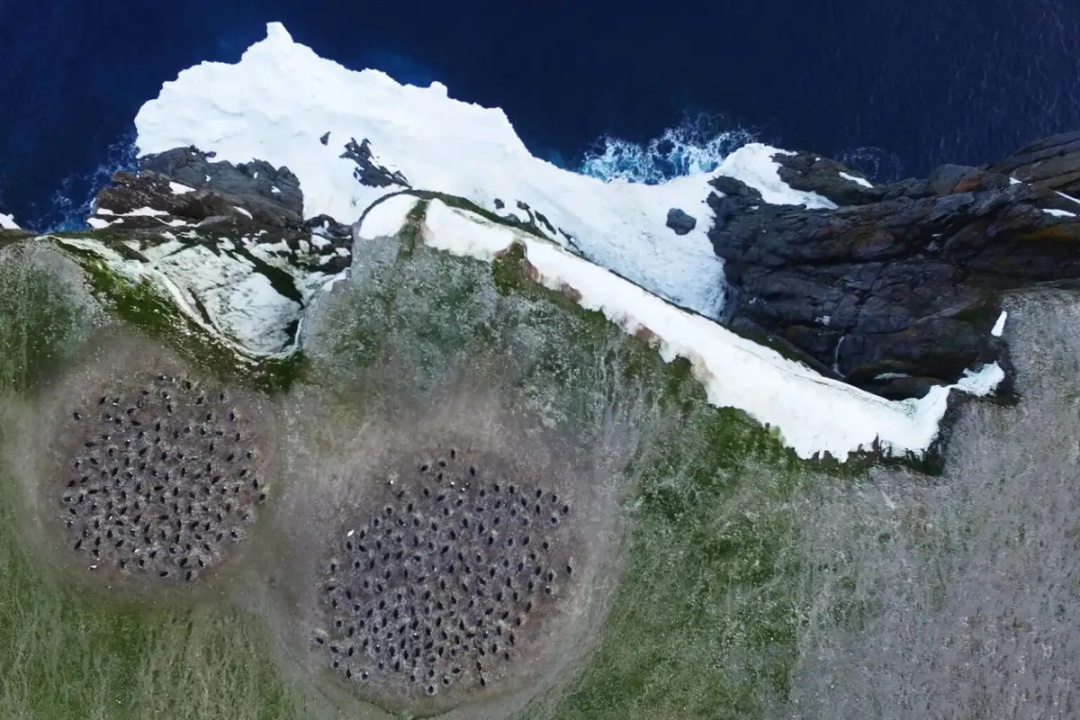
A recent study has utilized satellite imagery to reveal how climate change is impacting the diets of Adélie penguins in Antarctica. Penguin colonies, which are so large that their excrement can be observed from space, provide a unique opportunity for scientists to study these birds' dietary shifts over time. By analyzing 30 years of satellite images, researchers have tracked changes in penguin guano color, which indicates dietary changes in response to warming temperatures. The study found that when sea ice is plentiful, Adélie penguins tend to consume more fish, but as sea ice diminishes, their diet increasingly relies on krill, small crustaceans that are vital to their nutrition. This change is concerning, as penguin chicks fed fish are typically heavier and have a higher survival rate compared to those fed krill. In 2023, the extent of sea ice reached its lowest recorded level, compounding the challenges faced by these penguins. The study, published in Current Biology, highlights that in regions where penguins are consuming less fish, their populations are declining. Coauthor Michael Polito, an ocean scientist at the University of California, Santa Cruz, emphasized the role of Adélie penguins as indicators of environmental health, stating that they serve as a 'canary in the coal mine' for understanding the impacts of climate change on marine ecosystems. Alongside warming temperatures, penguins face additional threats from industrial fishing practices that deplete krill populations, further jeopardizing their survival. The findings of this study call attention to the need for better management of krill fisheries, as current practices do not adequately consider the cumulative effects of climate change and fishing on penguin populations.