The Pastry Paradox: Understanding Denmark's Lower Obesity Rates Compared to Britain

In Denmark, a cozy living room scene often features friends and family gathered around a table filled with pastries, embodying the concept of hygge. This cultural practice contrasts sharply with the health-conscious narratives prevalent in Britain, where sugar and fat are often vilified. Interestingly, Danes consume an average of 57 kilograms of sugar per person annually, compared to 44 kilograms in the UK, yet they remain one of the slimmest nations in Europe. The disparity raises questions about dietary habits and health outcomes in these two countries, leading to what some have termed the "pastry paradox."
Statistics reveal that approximately 20% of Danes have a body mass index (BMI) over 30, while the figure is about 33% in Britain. This difference prompts an examination of various factors influencing obesity rates, particularly in the context of rising obesity trends in Britain, where rates have escalated from around 15% in 1993 to nearly 29% in England and 32% in Scotland.
The collaborative series "Health Gap / Sundhedskløften" from The Conversation UK and Denmark's Videnskab.dk aims to explore what both nations can learn from each other's health and wellness practices. The series delves into various aspects of lifestyle, including cycling, alcohol consumption, healthcare access, and everyday habits, emphasizing the role of culture and policy in shaping health outcomes.
In Britain, obesity rates increase with age, particularly among those aged 55 to 74, while those over 74 are less likely to be obese, likely due to shorter lifespans among heavier individuals. Additionally, socioeconomic factors play a significant role, with higher obesity rates observed in poorer neighborhoods and among certain ethnic groups.
Denmark, while not free from health inequalities, exhibits smaller disparities largely due to robust government policies focused on prevention, diet, and alcohol consumption, alongside a reliable healthcare system accessible to all income levels. The Danish approach to health and diet is multifaceted, combining modern indulgences with traditional foods rich in protein and fiber, which contribute to satiety and overall nutrition.
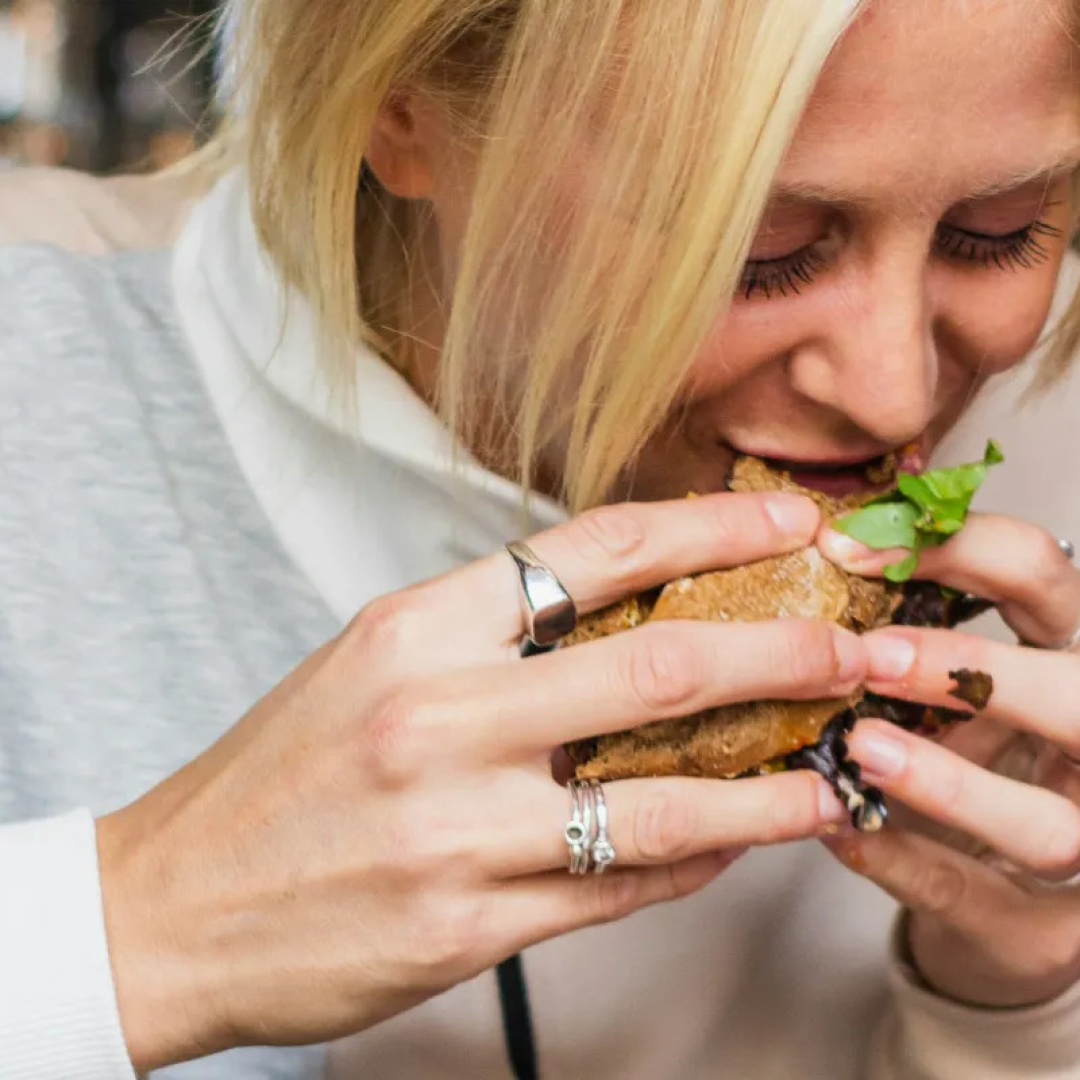
Smørrebrød, a traditional open-faced rye-bread sandwich topped with fish and vegetables, exemplifies Denmark's dietary strategy. This emphasis on whole grains, seasonal produce, and home-cooked meals contrasts with Britain's rising reliance on ultra-processed foods, which account for 44% of daily energy intake in the UK—the highest in Europe. In Denmark, this figure is significantly lower, at 25%.
Ultra-processed foods are characterized by high levels of salt and sugar, unhealthy fats, and low nutritional value, contributing to poor health outcomes. The typical Danish breakfast might include yogurt with blueberries or rye bread, while many Britons opt for convenience foods, highlighting a cultural shift towards less healthy eating patterns.
The Danish lifestyle, marked by eco-consciousness, reduced alcohol consumption, and active participation in sports, further supports healthier living. The Nordic diet, rich in wholesome ingredients, is not only praised for its health benefits but also celebrated for its culinary creativity.
As Britain grapples with rising obesity rates, there are lessons to be learned from Denmark's approach to diet and health. With both nations sharing wealth and public health systems, there is potential for Britain to adopt strategies that promote healthier eating habits and lifestyles, ultimately addressing the obesity crisis. This series aims to foster a dialogue on how cultural practices and government policies can influence public health and well-being in both countries.