Liver Damage Linked to Obesity and Diabetes: Understanding Hidden Risks
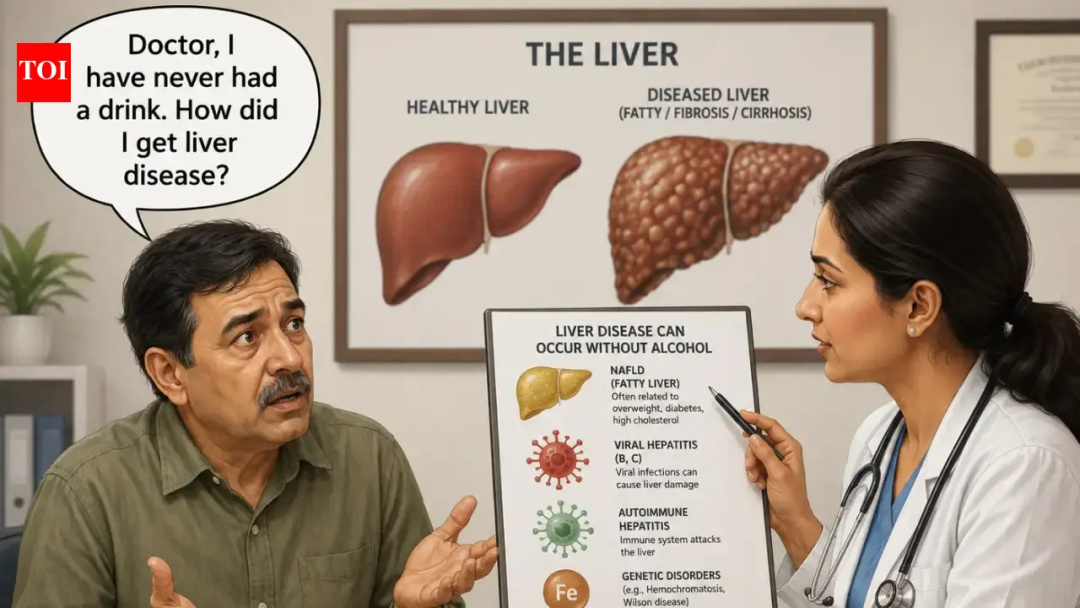
Many individuals are surprised to learn that liver disease can develop without any history of alcohol consumption. Dr. Suresh Raghavaiah, a Senior Consultant at Apollo Hospitals in Bengaluru, frequently encounters patients who express disbelief at their diagnosis, asking, "Doctor, I have never had a drink in my entire life. How did I get liver disease?" This misconception stems from the traditional view that alcohol is the primary cause of liver damage. However, the medical community is increasingly recognizing that factors such as obesity, diabetes, and metabolic dysfunction can lead to significant liver harm. These conditions can quietly progress, often going unnoticed until serious damage has occurred. Symptoms like jaundice, abdominal fluid accumulation, or internal bleeding typically indicate advanced liver disease, such as severe fibrosis or cirrhosis, which may have developed over years without any prior warning signs. This phenomenon is why liver disease is often referred to as a "silent" condition. Dr. Raghavaiah highlights the importance of understanding metabolic dysfunction-associated steatotic liver disease (MASLD), previously known as non-alcoholic fatty liver disease. This condition is linked to metabolic risk factors, including obesity and type 2 diabetes, and has become a leading cause of liver transplantation in recent years, surpassing alcohol-related liver disease in some cases. In urban India, where sedentary lifestyles and easy access to calorie-dense foods are prevalent, the risk of developing MASLD is particularly concerning. Notably, individuals may not exhibit outward signs of obesity yet still possess metabolic abnormalities that increase their risk for fatty liver disease. Furthermore, routine liver blood tests can sometimes fail to reveal significant liver disease, leading to a false sense of security. Conditions such as metabolic dysfunction-associated steatohepatitis may progress without clear indicators in lab results. To accurately assess liver health, doctors often combine blood tests with clinical evaluations and imaging techniques, such as ultrasounds and FibroScan, which can provide insights into liver stiffness and fibrosis. It is crucial to recognize that a normal blood test does not guarantee a healthy liver. As discussions around liver health grow, there is also a rising trend of individuals seeking "natural" remedies, mistakenly believing that anything labeled as such is safe for the liver. Dr. Raghavaiah cautions against self-medicating with herbal products or supplements, as some may contain harmful substances that can exacerbate liver issues. The liver does have a remarkable ability to regenerate, especially if damage is identified early. For those diagnosed with fatty liver disease, addressing underlying causes through weight management, improved diet, and increased physical activity can lead to significant improvements. However, once liver disease progresses to advanced fibrosis or cirrhosis, reversing the condition becomes much more challenging. Therefore, early detection is essential. Contrary to popular belief, detox diets and juice cleanses are not necessary for liver health. The liver naturally processes and metabolizes substances, and there is no evidence to support the efficacy of commercial detox diets in cleansing the liver. Instead, maintaining a balanced diet, engaging in regular physical activity, and managing metabolic conditions are key to supporting liver health. As awareness of liver disease grows, it is vital for individuals to shift their focus from merely questioning alcohol consumption to considering their overall metabolic health, including factors like weight, physical activity, and potential metabolic abnormalities. Hepatitis B vaccination and appropriate medical evaluations are also important preventive measures. The liver often does not exhibit symptoms until significant damage has occurred, making it crucial to ask the right questions about liver health early on. Understanding that alcohol is just one piece of the liver-disease puzzle can empower individuals to take proactive steps in managing their liver health and recognizing the importance of early intervention.