Strategies to Encourage Children to Eat More Vegetables
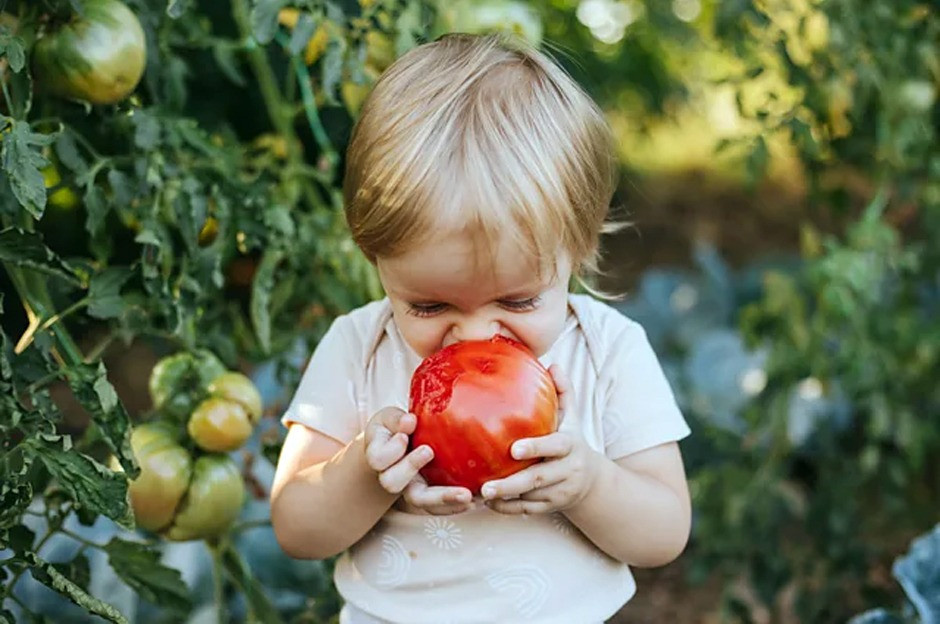
Getting children to eat enough vegetables can be challenging, with many parents wondering if it is normal for their child to prefer only sweet or beige foods. This preference often begins early, as even breast milk contains natural sugars. To combat this, it is crucial for parents to ensure their children have a varied diet rich in fruits and vegetables.
Research led by Marion Hetherington, a professor of biopsychology at the University of Leeds, emphasizes the importance of exposing children to a wide range of vegetables during their preschool years. Hetherington warns that if vegetable exposure is not increased by age five, it becomes significantly harder to change children’s eating habits later on. Studies indicate that children may need multiple exposures to a new food before they accept it.
Interestingly, simply telling children that a food is healthy may be counterproductive. Instead, it is more effective to describe vegetables as tasty. Timing also plays a critical role; serving vegetables at the beginning of a meal when children are hungriest can increase their likelihood of consumption. Hetherington notes that children often eat their favorite foods first, leaving less room for vegetables later in the meal.
If serving vegetables first seems impractical, parents can adjust the ratios of food on their child’s plate. By reducing the amount of high-calorie ingredients and increasing the portion of vegetables, parents can encourage healthier eating. Research shows that increasing the vegetable portion by 50% can lead to greater consumption of these foods.
Presentation is another key factor. Children are more likely to try new foods when they are presented in an appealing manner. Studies have shown that when vegetables are cut into fun shapes or artistically arranged on a plate, children are more inclined to eat them. This creative approach can make healthy foods more attractive.
Parental influence is significant in shaping children's eating habits. Children whose parents model healthy eating behaviors, such as consuming fruits and vegetables regularly, are more likely to adopt similar habits. Conversely, children whose parents frequently consume unhealthy snacks may also gravitate towards those foods.
Moreover, researchers caution against pressuring children to eat certain foods, as this can lead to a negative relationship with food. Instead, allowing children to explore and play with food can reduce neophobia, or the fear of new foods. Studies have shown that when children are encouraged to touch and smell unfamiliar ingredients without the pressure to taste them, they become more open to trying these foods in the future.