Clinical Trial Shows Peppermint Oil May Lower Blood Pressure by 8 Points
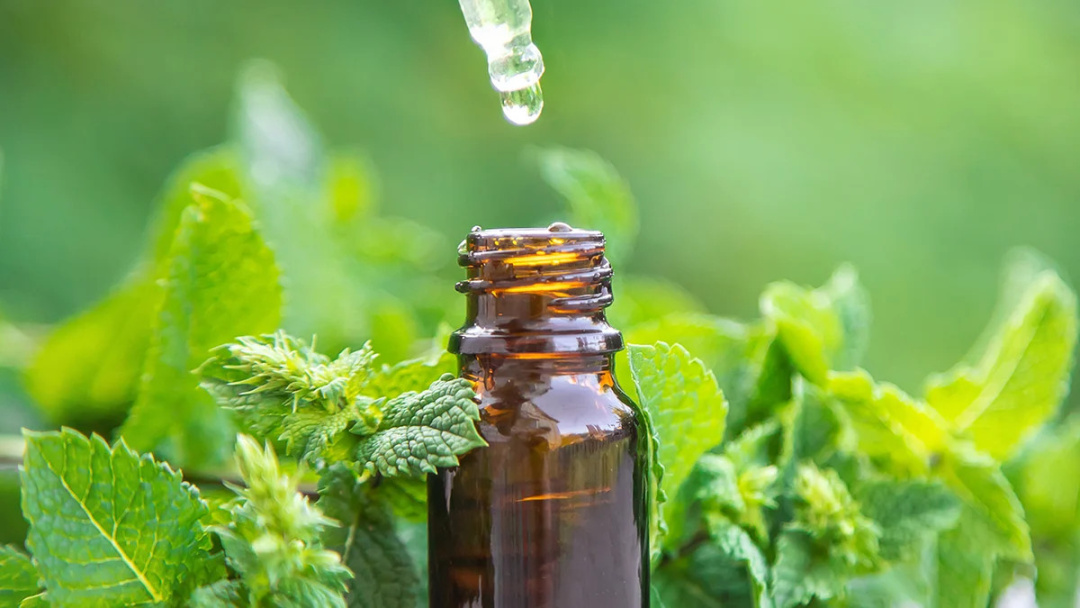
High blood pressure is a major risk factor for cardiovascular diseases, prompting researchers to explore new, easier methods for lowering blood pressure. A recent clinical trial published in PLOS One investigated the effects of peppermint oil on blood pressure levels in a small group of volunteers. The study involved 40 participants aged between 18 and 65, all of whom had either pre-hypertension or stage 1 hypertension. Over the course of 20 days, half of the participants received a daily dose of 50 microliters of pure peppermint oil mixed with water, while the other half were given a placebo. The results were striking: those taking peppermint oil experienced an average reduction in systolic blood pressure of 8.48 millimeters of mercury (mmHg), compared to the placebo group. This reduction is significant, as a decrease of 10 mmHg in systolic blood pressure can lower the risk of heart events by approximately 20 percent. Additionally, participants in the peppermint group also showed a decrease in diastolic pressure by an average of 4.57 mmHg and a slower resting heart rate by 8.92 beats per minute. Jonnie Sinclair, a sports and health scientist from the University of Lancashire, emphasized the clinical implications of these findings, noting that arterial hypertension is the most common preventable risk factor for cardiometabolic diseases. The study builds on earlier research that suggested peppermint might help with hypertension, leading the researchers to further investigate its potential benefits. While the trial was small and short, the results point to peppermint oil as a promising candidate for managing pre-hypertension and stage 1 hypertension. The researchers hypothesize that menthol in peppermint may trigger a chemical reaction that relaxes blood vessels and improves blood flow. However, they caution against self-medicating with peppermint oil, as this study was controlled and specific to a certain dosage and patient type. Future research will need to explore these effects in larger populations and over longer periods to validate the findings. Sinclair also highlighted the potential cost-effectiveness of peppermint oil as a treatment option, given its low calorie count and affordability. Nevertheless, it is essential to consult with a healthcare provider before attempting any new treatment based on these findings. The study's results underscore the importance of continued research into natural and accessible methods for managing high blood pressure, which remains a leading cause of heart disease and mortality worldwide.