Food Poisoning Outbreaks Linked to Indonesia's Free School Meal Program

In Indonesia, over 1,700 people have fallen ill due to food poisoning linked to a government initiative providing free school meals. This alarming situation unfolded over the past week, with at least 725 students and 25 teachers at a school in Lasem, Java, experiencing symptoms such as diarrhea, vomiting, and nausea after consuming the meals. The principal of the school noted that the bathrooms were overwhelmed due to the number of sick students, exacerbated by ongoing renovations that limited restroom access.
Earlier in the week, more than 600 students in Sidoarjo, East Java, were hospitalized after their lunches, and additional cases were reported in Nganjuk and Agam, West Sumatra, where 49 and 237 individuals respectively fell ill. Lawmaker Charles Honoris highlighted the gravity of the situation, estimating that the total number of food poisoning incidents linked to the school meal program could reach as high as 50,000, according to health department data. He described the situation as a failure of the system.
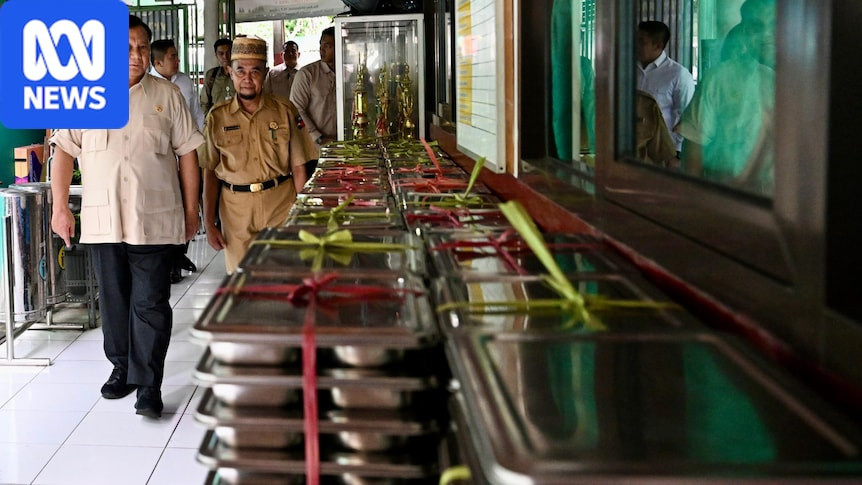
The outbreaks have been attributed to improper food storage and delays in delivering pre-cooked meals. A food taster at the Lasem school discovered that some grilled chicken was in an unacceptable condition, described as "slimy," and was subsequently discarded. Reports indicate that the meals were prepared as early as 3 a.m. but not consumed until noon, raising questions about food safety protocols.
This free school meal program, which costs approximately $12.94 billion and was launched in January 2025, is one of President Prabowo Subianto's flagship policies aimed at enhancing nutrition for up to 80 million children and pregnant or breastfeeding women. However, the initiative has faced scrutiny due to allegations of corruption, changes in leadership, and now, these widespread food poisoning incidents.
The situation has sparked public outcry, with protests occurring in Jakarta demanding the program's cancellation. Ubaid Matraji, a researcher from the Indonesian Education Monitoring Network, emphasized the need for the government to address the issue seriously, stating that behind every statistic is a sick child and a family in distress. The head of Indonesia's National Nutrition Agency, responsible for overseeing the program, assured a parliamentary hearing that the food poisoning cases would be treated with utmost seriousness.