Wheatgrass Juice and Its Potential Benefits for Ulcerative Colitis and Inflammation
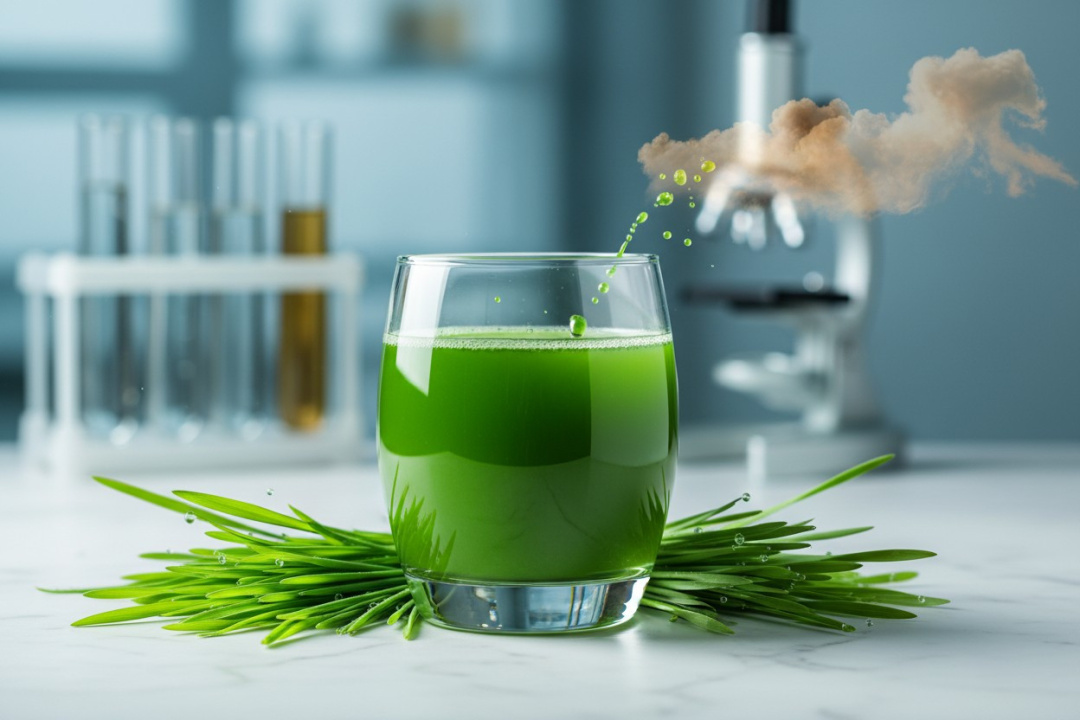
Wheatgrass juice, extracted from the young shoots of the wheat plant (Triticum aestivum), is known for its rich content of chlorophyll, vitamins, minerals, and various plant compounds. Traditionally consumed as fresh juice or in powdered form, it has garnered attention for its potential health benefits, particularly regarding inflammatory conditions such as ulcerative colitis. Despite its historical use dating back to ancient Egypt, the modern clinical evidence supporting the efficacy of wheatgrass juice remains limited. A 2019 report highlighted that ulcerative colitis, a chronic inflammatory bowel disease, currently has no cure, and effective management relies on timely medical intervention. This report reviews the scientific literature surrounding the physiological effects of wheatgrass juice, distinguishing between documented clinical findings and anecdotal claims while providing practical considerations for consumers.
The most compelling clinical evidence regarding wheatgrass juice pertains to its effects on ulcerative colitis. A small randomized trial involving patients with active distal ulcerative colitis indicated that daily consumption of wheatgrass juice led to a reduction in disease activity and rectal bleeding. However, this trial included only 23 participants, and researchers emphasized that these findings have not been corroborated by larger studies. For consumers interested in digestive health, it is important to note that juicing significantly reduces the fiber content of wheatgrass. A review of whole-food nutrition indicates that while wheatgrass powder contains approximately 30 grams of fiber per 100 grams, the juice provides only about 0.1 gram in an equivalent serving. This distinction is crucial for individuals seeking digestive benefits, as the juice may not offer the same bulk as whole-plant products.
In terms of inflammation, a controlled study involving 100 colorectal cancer patients found that daily consumption of 60 milliliters of wheatgrass juice was associated with increased levels of the anti-inflammatory cytokine IL-10. While this suggests a potential mechanism for modulating inflammation, the study's authors refrained from making broad claims about systemic anti-inflammatory effects applicable to the general population. Additionally, a small study on breast cancer patients undergoing chemotherapy reported that wheatgrass juice appeared to reduce myelotoxicity, a common side effect of treatment. However, there is insufficient evidence to extend these findings to immune function in healthy adults.
Research into the metabolic benefits of wheatgrass juice, particularly regarding blood sugar regulation, primarily focuses on whole wheat grains rather than the juice itself. The juicing process alters the nutrient matrix and removes fiber, which is essential for slowing glucose absorption. Consequently, further studies are necessary to determine if wheatgrass juice has any direct impact on blood sugar levels.
The chemical composition of wheatgrass can vary significantly based on factors such as wheat variety, growing conditions, and processing methods. Different forms, including fresh juice, freeze-dried powder, and tinctures, present unique nutrient profiles, complicating standardization across studies. Quality control is another concern, as wheatgrass is susceptible to mold contamination due to its warm, humid growing environment. Reports indicate that proper handling is vital to prevent pathogenic growth, and even certified organic wheatgrass has been found to contain glyphosate residues in independent testing. Nausea is a commonly reported side effect, and manufacturers typically recommend starting with small servings of 1 to 2 ounces (30-60 milliliters) diluted in water or juice.
Overall, the existing scientific literature on wheatgrass juice is limited to small-scale trials and observational studies, and it is not recognized as a treatment for any medical condition. While preliminary findings related to ulcerative colitis and chemotherapy support are noteworthy, the absence of large, well-controlled clinical trials inhibits definitive conclusions about the efficacy of wheatgrass juice. Consumers are advised to weigh the reported benefits against the documented limitations, including the loss of fiber during juicing, the risk of contamination, and potential digestive side effects. For those considering incorporating wheatgrass into their diet, sourcing a lab-tested organic product and beginning with minimal doses is a prudent approach. Further research is essential to standardize production methods and validate the therapeutic claims associated with this green juice.














