CRISPR Treatment Shows Promise in Reducing LDL Cholesterol by 52% in Human Trial
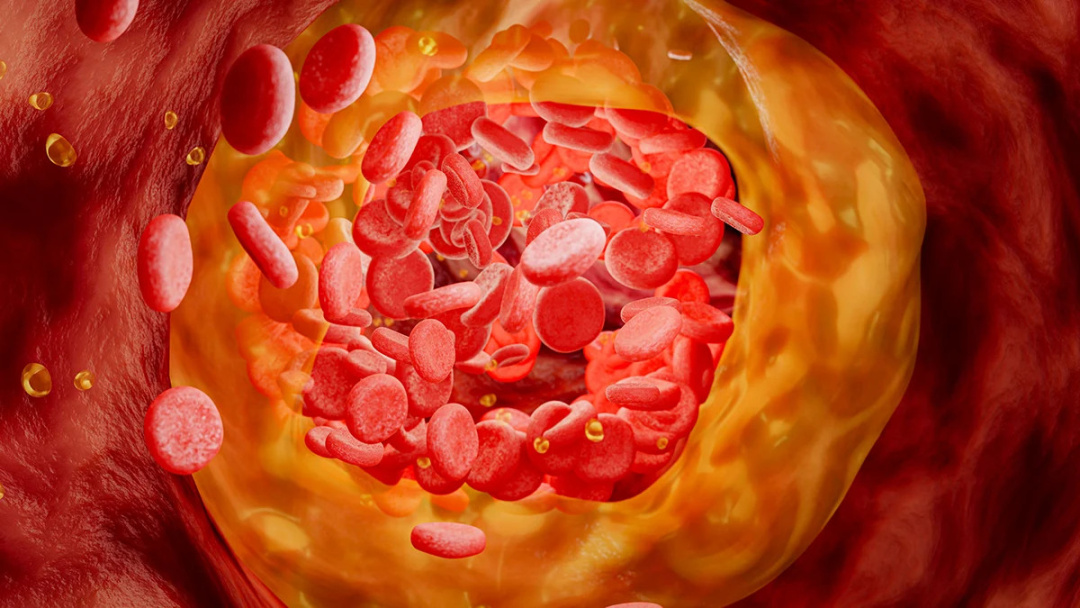
In a significant development in metabolic health, researchers from the Cleveland Clinic have published findings from a clinical trial demonstrating that a one-time CRISPR treatment can effectively reduce levels of low-density lipoprotein (LDL) cholesterol by an average of 52%. This treatment, referred to as CTX310, utilizes a precise DNA-editing technology to induce a permanent genetic modification that lowers LDL cholesterol by targeting the liver protein ANGPTL3, which is known to play a role in cholesterol metabolism. The study, published in the New England Journal of Medicine, involved 15 participants with serious cholesterol-related health issues, who received an intravenous infusion of nanoparticles containing CRISPR instructions. Remarkably, the treatment was associated with minimal adverse events, and the beneficial effects on cholesterol levels persisted even after a year. Specifically, participants who received the highest dose saw ANGPTL3 levels drop by an average of 78.6 percent, alongside a 52.5 percent reduction in LDL cholesterol and a 47.8 percent decrease in triglycerides. While one participant did die during the study, researchers concluded that this was unrelated to the treatment. The findings suggest that CTX310 could represent a groundbreaking therapeutic opportunity for individuals with lipid disorders that do not respond to conventional therapies. However, the researchers caution that further trials are necessary to assess the long-term viability and safety of this approach, particularly as gene editing carries inherent risks. A phase 1b trial is currently underway to evaluate the efficacy of a fixed dose of CTX310 in various cohorts of patients with lipid disorders. This innovative treatment could potentially simplify management for patients, moving away from daily or weekly therapies to a one-time intervention that mimics natural genetic variations associated with lower cardiovascular risk. As the research progresses, it will be crucial to monitor the broader implications of such genetic interventions in metabolic health.