Study Reveals Inaccuracies in Smartwatch Calorie-Burn Estimates
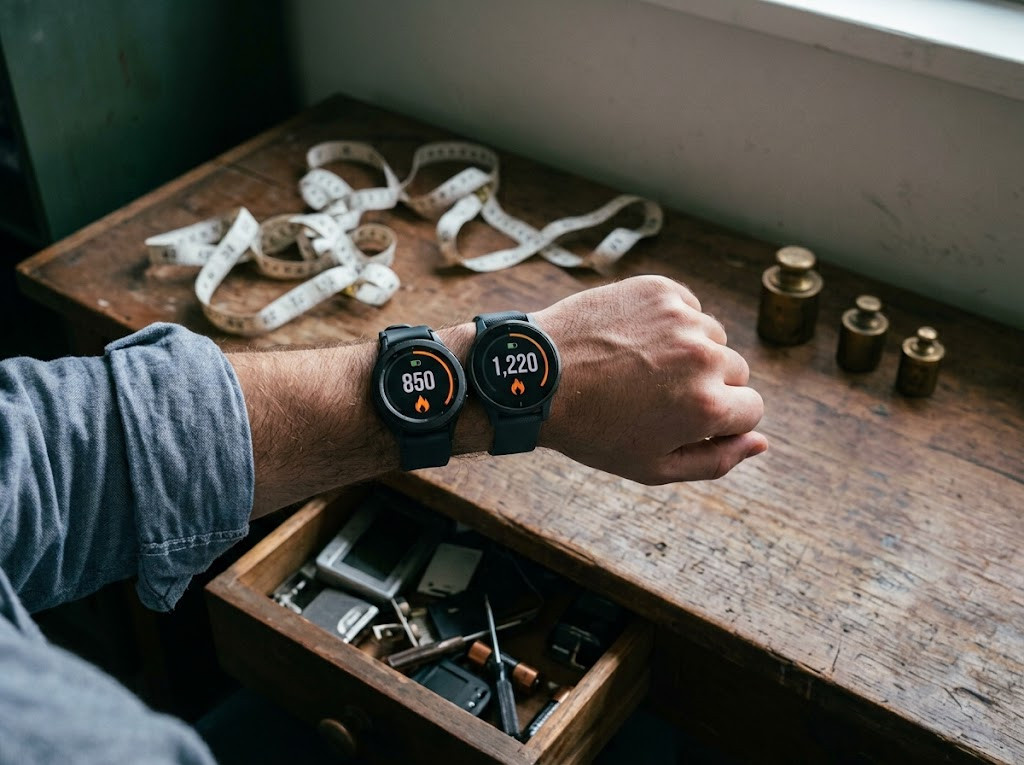
A recent study conducted by researchers at Florida International University (FIU) has raised important questions about the accuracy of calorie-burn estimates provided by popular smartwatches. The study compared the calorie estimates from four widely used fitness watches—Garmin Forerunner 955, Samsung Galaxy Watch 5, Apple Watch Series 8, and Fitbit Sense 2—with indirect calorimetry, a laboratory method considered the gold standard for measuring energy expenditure. During a controlled cycling workout, the results revealed substantial discrepancies in calorie estimates, with errors ranging from 15% to 25% depending on the device.
The Garmin Forerunner 955 and Samsung Galaxy Watch 5 were found to produce the largest systematic overestimates of calorie burn, while the Apple Watch Series 8 demonstrated slightly better accuracy. The Fitbit Sense 2, although relatively accurate when excluding seven implausible readings, still had a significant average error rate, with implausible readings accounting for 13% of its trials.
The peer-reviewed findings, published in the journal PLOS One, involved a sample of 58 adults who completed alternating moderate- and vigorous-intensity cycling intervals while wearing the devices. Notably, the study found that the errors in calorie estimation increased as participants' body-fat percentage rose, indicating that the accuracy of these devices may vary based on individual body composition.
These findings are particularly relevant for individuals who rely on smartwatch calorie estimates to manage their weight or regulate their food intake. The potential for substantial discrepancies between the estimated and actual energy expenditure could lead to misleading conclusions about calorie deficits and dietary needs.
However, the study does have several limitations. The relatively small sample size of 58 participants and the focus on a single type of exercise—structured cycling—mean that the results cannot be generalized to other forms of physical activity, such as running, walking, or resistance training. Additionally, since participants wore all four devices simultaneously, factors such as strap tension, fit, and sensor contact may have influenced the results. The researchers also noted that they could not determine whether a smartwatch's algorithms might improve in accuracy through repeated use or adaptation to individual users.
In conclusion, while smartwatches offer a convenient way to track fitness metrics, users should approach calorie-burn estimates with caution, recognizing the potential for significant inaccuracies that could impact their weight management strategies.