Exploring the Nutritional Benefits of Indian Avocados
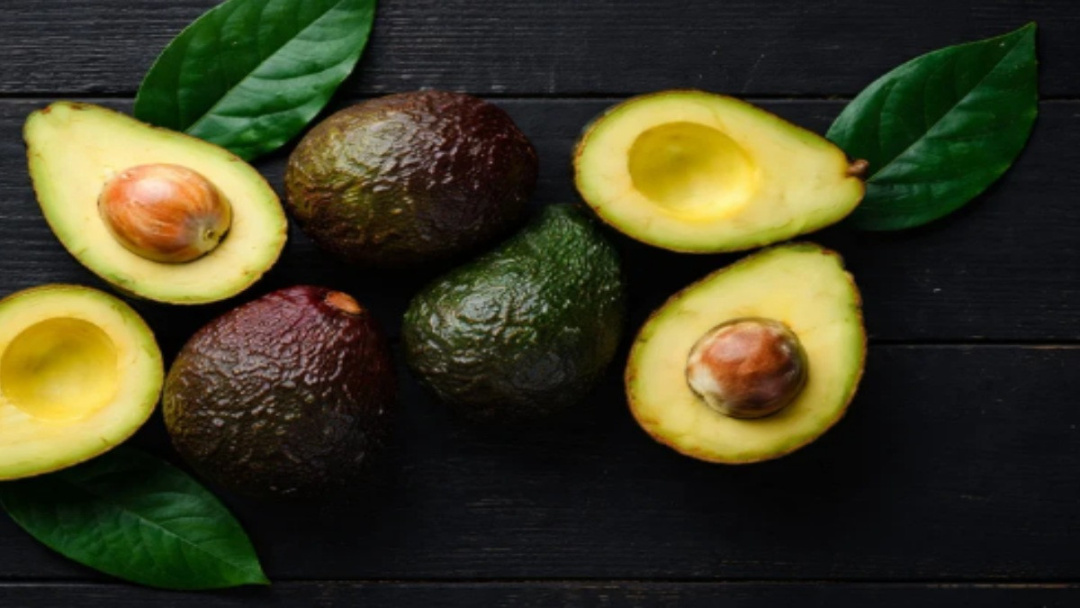
Avocados are increasingly recognized for their health benefits, especially as Indian-grown produce. Prime Minister Narendra Modi has recently emphasized the advantages of Indian avocados, which are valued for their creamy texture and rich nutrient profile. Traditionally associated with international cuisines, avocados can now be cultivated in various regions of India, offering a nutritious option for those looking to diversify their diets.
One of the standout features of avocados is their fat content. Unlike foods high in saturated or trans fats, avocados are primarily composed of monounsaturated fats, which can support heart health when they replace less healthy fats in the diet. Incorporating avocados into meals may enhance satisfaction, which is beneficial for individuals aiming to create balanced meals rather than relying on processed snacks.
Despite their health benefits, avocados are energy-dense due to their fat content, so portion control is important, particularly for those monitoring calorie intake. Additionally, avocados contribute dietary fiber, which is essential for digestive health and can aid in maintaining regular bowel movements. Foods rich in fiber, like avocados, can also promote a sense of fullness after meals.
Including avocados with a variety of foods such as vegetables, whole grains, and legumes can help create meals that are not only nutritious but also texturally diverse. Avocados are packed with vitamins and minerals, including folate, vitamin K, vitamin E, vitamin C, and potassium, all of which play crucial roles in bodily functions, from supporting immune health to maintaining fluid balance.
While avocados are a valuable addition to a healthy diet, they should be considered one component among a wide array of fruits and vegetables. A diet abundant in vegetables, fruits, whole grains, legumes, nuts, and healthy fats is generally linked to improved cardiovascular health. Avocados fit well into this dietary framework, offering beneficial fats, fiber, and potassium.
Their versatility is another reason for their growing popularity. Avocados can be enjoyed in various meals throughout the day, from breakfast to dinner. They can be spread on whole-grain toast, added to sandwiches, mixed into salads, or used as a creamy ingredient in Indian-style dishes. They can also be combined with tomatoes, onions, coriander, lemon, and spices for a simple dip or side.
The rise in interest in Indian avocados reflects a broader discussion about agricultural diversity and the benefits of locally sourced foods. Different regions in India are suitable for avocado cultivation, and supporting local farmers can enhance consumer awareness of diverse crops beyond traditional staples. While availability and quality may vary, choosing fresh produce from reliable sources is essential.
There is no universal serving size for avocados, as individual dietary needs vary. While they are nutritious, their calorie density means that incorporating them into meals in moderation is advisable. For those with specific dietary needs or health conditions, consulting a healthcare professional or registered dietitian before making significant dietary changes is recommended.
In conclusion, Indian avocados are emerging as a nutritious and versatile fruit that can enhance a balanced diet. Their combination of healthy fats, fiber, and essential nutrients makes them a valuable addition to meals. Whether used in toast, salads, or dips, avocados can introduce both nutrition and variety to the diet. The key takeaway is to build meals around a diverse selection of nutrient-rich foods rather than relying on any single ingredient as a miracle solution. As interest in Indian-grown produce continues to grow, avocados could become a more common feature in the country's culinary landscape.