How Light and Heat Deteriorate Olive Oil Quality: Insights from Recent Studies
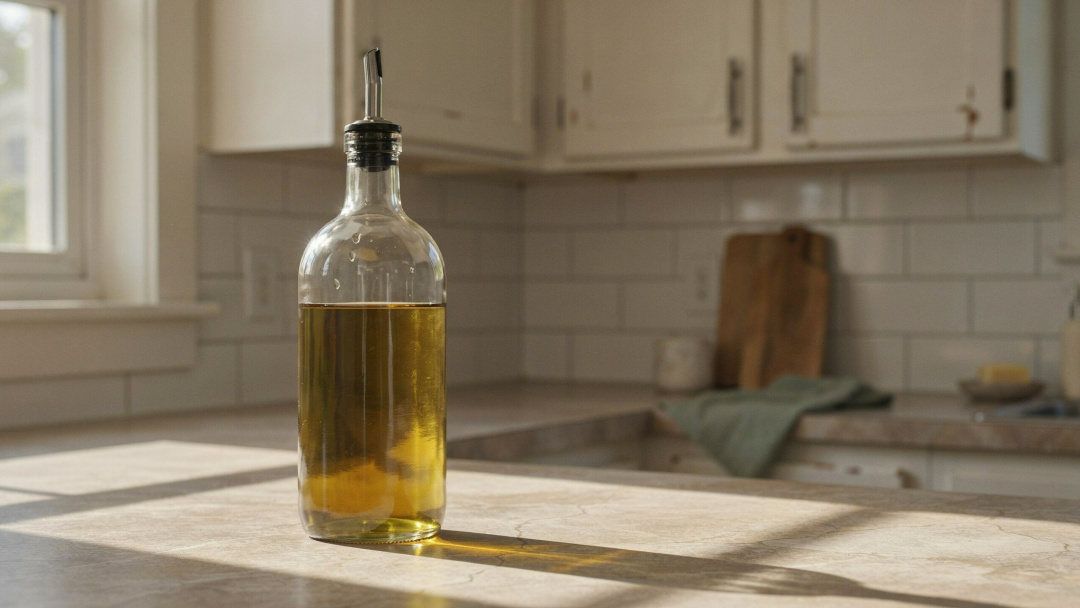
Olive oil, particularly high-quality extra virgin olive oil, is often purchased for its rich flavor and health benefits. However, many consumers may not realize that the way they store this oil can drastically affect its quality over time. A study conducted by Alimi and colleagues, published in the journal European Food Research and Technology, found that olive oil kept in clear bottles is susceptible to rapid degradation when exposed to light. In fact, the oils tested failed to meet the 'extra virgin' grade within 28 to 35 days under typical kitchen lighting conditions. By the eighth week, these oils were classified as fully rancid.
Another study published in the Journal of Food Chemistry highlighted that olive oil stored in clear glass could lose approximately 40% of its polyphenols—natural antioxidants responsible for the oil's flavor and health benefits—in just two months. The University of California, Davis Olive Center corroborates these findings, emphasizing that dark packaging is essential for maintaining olive oil freshness.
The primary culprit behind this deterioration is light, which interacts with chlorophyll, the green pigment in olive oil. When light hits chlorophyll, it triggers a reaction that transforms normal oxygen into a reactive form that damages the oil's healthy fats. This reaction accounts for roughly 80% of the light-induced damage to olive oil. Additionally, heat exacerbates the problem; for every 10°C increase in temperature, the oil's quality declines at an accelerated rate.
To maintain the integrity of olive oil, experts recommend storing it in a closed cupboard or pantry, away from heat sources like stoves. This simple adjustment can significantly prolong the oil's freshness. For those who prefer having olive oil readily available for cooking, transferring a small amount into a dark glass or stainless steel container for countertop use is advisable, while keeping the main bottle stored properly. The North American Olive Oil Association even mandates that its member brands include storage instructions on their labels, advising consumers to keep the oil in a cool, dark place and to cap it tightly when not in use.
In conclusion, understanding the importance of proper storage can help consumers enjoy their olive oil at its best, preserving both its flavor and health benefits for longer periods. By taking these simple steps, you can ensure that your investment in high-quality olive oil pays off in taste and nutrition.