Iran Faces Economic Strain as Food Prices Surge Amid Blockades
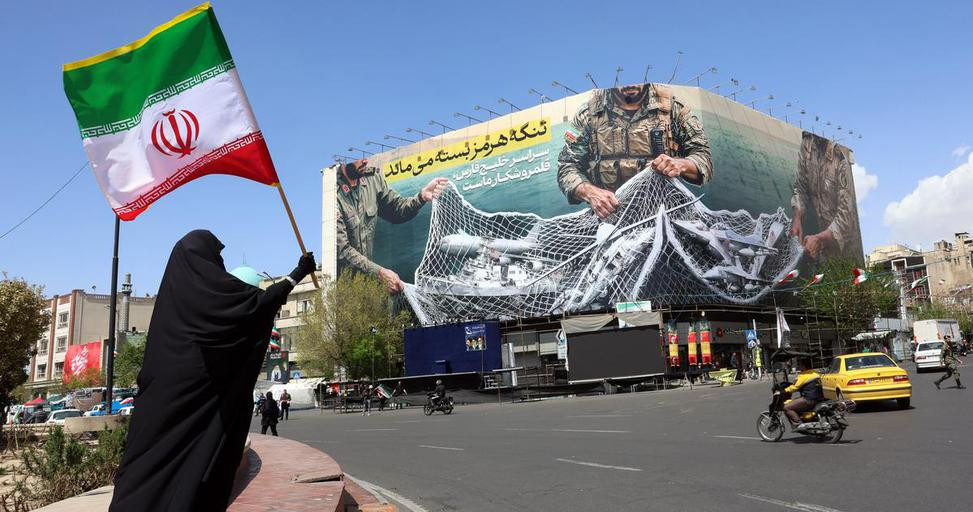
Life in Iran is currently marked by significant economic strain, with reports indicating that food prices have surged by as much as 128 percent. This dramatic increase has left many families struggling to afford basic staples, such as meat and rice, leading to heightened anxiety about daily survival. Workers, including truck drivers and small shopkeepers, are facing harsh conditions as they navigate this challenging economic landscape. A truck driver expressed concern over the rising costs of tires, which compounds the uncertainty of their future, while families are increasingly worried about the health implications of acute drug shortages.
The pressures of this economic crisis have extended to fuel stations, where long queues are becoming commonplace as citizens attempt to secure gasoline amid reduced domestic production and blocked import routes. Government officials appear to be caught in a state of indecision, fearing a repeat of the nationwide protests that erupted in 2019 over gasoline price hikes, while simultaneously advising the public to conserve energy due to dwindling reserves. Despite the Minister of Economy's assurances that the government is prepared to counter US sanctions, these claims seem disconnected from the realities faced by ordinary citizens.
The Iranian government attributes much of the current hardship to the ongoing naval blockade imposed by the United States, which has severely restricted foreign currency revenue and vital trade channels. This blockade has placed immense pressure on the state budget, leading to inflation and the need for the government to print money to fund basic operations. Critics argue that the economic crisis is more a result of mismanagement and poor governmental policies than the blockade itself. Economist Yaghoub Mahmoudian asserts that Iran's economy is structurally capable of avoiding famine, while others, like Kaveh Zargaran from the Agriculture and Food Industry Commission, accuse the government of using the war narrative as a scapegoat for its failures.
Some analysts suggest that Iran should pivot towards strengthening ties with China and Russia to meet national needs, emphasizing the importance of leveraging overland trade routes through its 15 land borders. Members of Parliament have pointed out that despite the maritime blockade, border markets remain stocked with goods, indicating that the country is not entirely cut off from essential supplies. Practical measures being taken include diversifying import gateways and building strategic reserves of essential commodities.
As the economic situation continues to evolve, Iranian officials are exploring diplomatic avenues to address the blockade. The recent collapse of the Islamabad Agreement has further complicated the situation, prompting warnings from Iranian officials about potential military responses if the blockade persists. The government is simultaneously engaging in discussions at international forums, such as the Shanghai Cooperation Organisation, to seek support against US sanctions, although skepticism remains about the effectiveness of these efforts.
Overall, the current situation in Iran highlights the complex interplay between external pressures and internal governance issues, with citizens bearing the brunt of the economic fallout. As the government seeks to navigate these challenges, the focus remains on finding ways to ensure food access and stabilize the economy amidst ongoing turmoil.