Norway's Salmon Production Surplus Leads to Unusual Import Practices
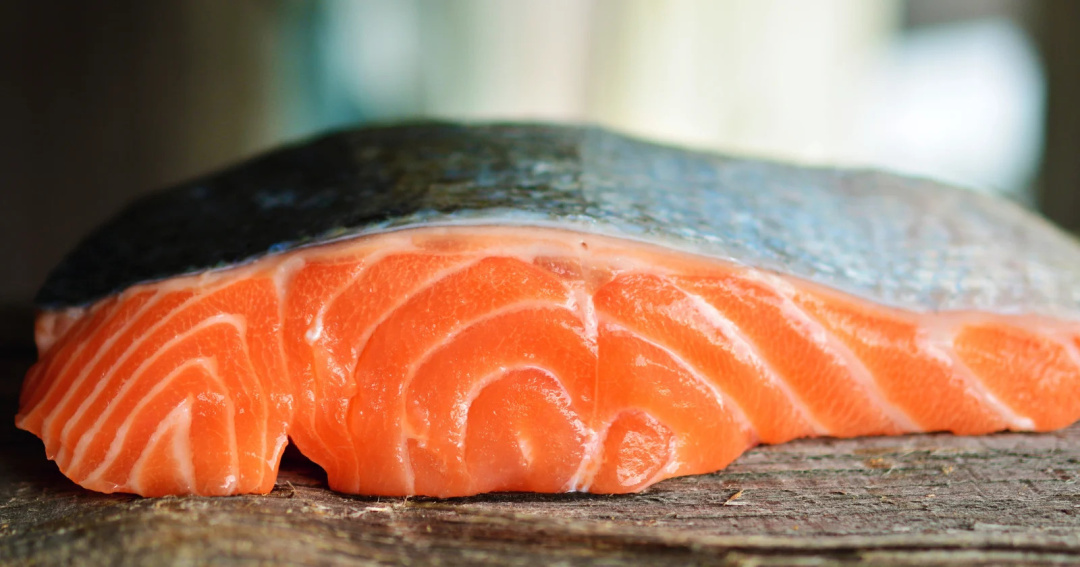
In Norway, a packet of smoked salmon found in an Oslo supermarket may have crossed the border twice, illustrating the complexities of the global salmon supply chain. Norway has transformed farmed salmon into a significant global commodity, exporting over 1.4 million tonnes in 2025, valued at NOK 124.7 billion, according to the Norwegian Seafood Council. Yet, the country still imports salmon from abroad, albeit in small quantities.
In 2023, Norwegian farms produced 1,542,480 tonnes of Atlantic salmon and exported approximately 91 percent of it, totaling 1,407,329 tonnes. The imports for human consumption that year amounted to just 473 tonnes, worth NOK 76 million. This translates to about one imported tonne for every 3,000 tonnes produced, a figure that highlights the peculiarities of the supply chain.
The breakdown of imported salmon reveals that only 264 tonnes arrived as fresh whole fish, while the majority came in processed forms, such as fillets and smoked products, predominantly from Nordic neighbors rather than competitors like Chile or Scotland. The tariff structure plays a significant role in this phenomenon, as exporters face a mere 2 percent tariff for sending whole gutted salmon into the EU, while processed forms incur tariffs of around 13 percent. Consequently, the economic incentive is to export whole fish and import processed products.
Norwegian consultancy INAQ points out that high labor costs in Norway make it economically unfeasible to fillet and smoke salmon domestically. Instead, the country has focused on building slaughter capacity, with around 45 automated plants primarily owned by farming companies. The process is streamlined: fish are killed, gutted, chilled, and quickly shipped to markets, while value-adding processes occur elsewhere.
Poland has emerged as a key player in this supply chain, importing 89,000 tonnes of Norwegian salmon in the first half of 2025, marking a 17 percent increase. Polish facilities handle the filleting, smoking, and packaging of salmon before distributing it to supermarkets across the EU. This means that a fish can be hatched in Norway, raised in its fjords, processed in Poland, and then returned to Norwegian stores, all without raising eyebrows in the industry.
The reasons behind this intricate supply chain are not rooted in conspiracy but rather in economic realities. Tariff structures favor whole fish exports, while wage disparities incentivize processing in countries with lower labor costs. Norway, with a population of 5.5 million, produces about 281 kilograms of salmon per person, yet only around 135,000 tonnes of the 2023 harvest remained in the country, equating to about 25 kilograms per person.
A significant factor in Norway's salmon production is its reliance on imported feed. A study by SINTEF Ocean published in Frontiers in Marine Science found that 92 percent of the ingredients in Norwegian salmon feed were imported, with only 8 percent sourced from local fisheries and farms. The feed primarily consists of soy protein, much of which comes from South America, while rapeseed oil is sourced mainly from Europe, with a portion from Russia or Belarus. This dependency on imported feed raises concerns about the sustainability of Norway's salmon farming practices.
The Nordic Council survey identifies feed dependency as a critical structural weakness in the sector, prompting Norway to set a target of sourcing a quarter of its feed ingredients domestically by 2034. While the 92 percent figure is based on a single audit from 2020, the trend is widely acknowledged among salmon farmers, who understand the implications of their feed supply.
Thus, while Norway's salmon may appear to be a local product, the reality is more complex. The biology of salmon farming occurs in Norwegian waters, but significant portions of the processing and manufacturing happen abroad, particularly in Poland. This situation highlights the importance of understanding the broader supply chain dynamics that underpin Norway's salmon industry, where the importation of processed products serves as a reminder of the interconnectedness of global food systems.
This article is for general information and reflection. It is not professional advice. For your specific situation, consult a qualified professional.