Study Reveals Smartwatches Overestimate Calorie Burn During Workouts
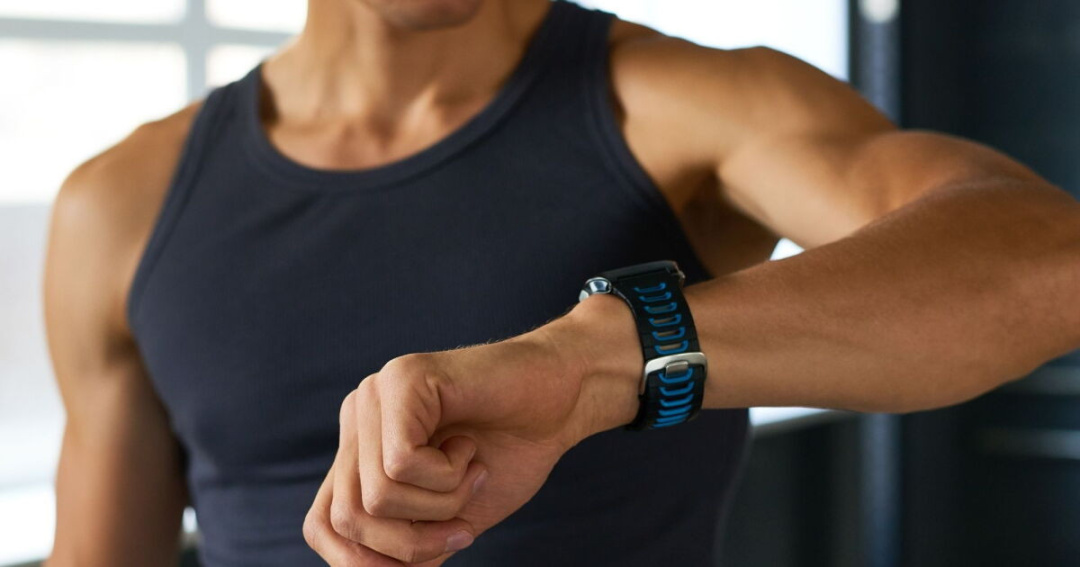
A study conducted by researchers at Florida International University has found that smartwatches tend to overestimate the number of calories burned during exercise. This discrepancy is particularly pronounced in individuals with higher body fat percentages. Lead author Jason Kostrna emphasizes the importance of not relying solely on the calorie counts provided by these devices, as they can lead to significant miscalculations in energy expenditure. For instance, users might mistakenly believe they are in a calorie deficit when they are actually in a surplus, potentially undermining their weight management efforts.
Smartwatches have become popular fitness accessories since the introduction of the Fitbit over 15 years ago, with many users depending on them to track various metrics, including energy consumption. Most of these devices estimate energy expenditure using photoplethysmography, a method that measures blood volume changes beneath the skin using light reflection. Previous studies have indicated that devices like Fitbit often underestimate heart rates and calories burned, but there has been a lack of comprehensive evaluations across different ethnicities and body compositions.
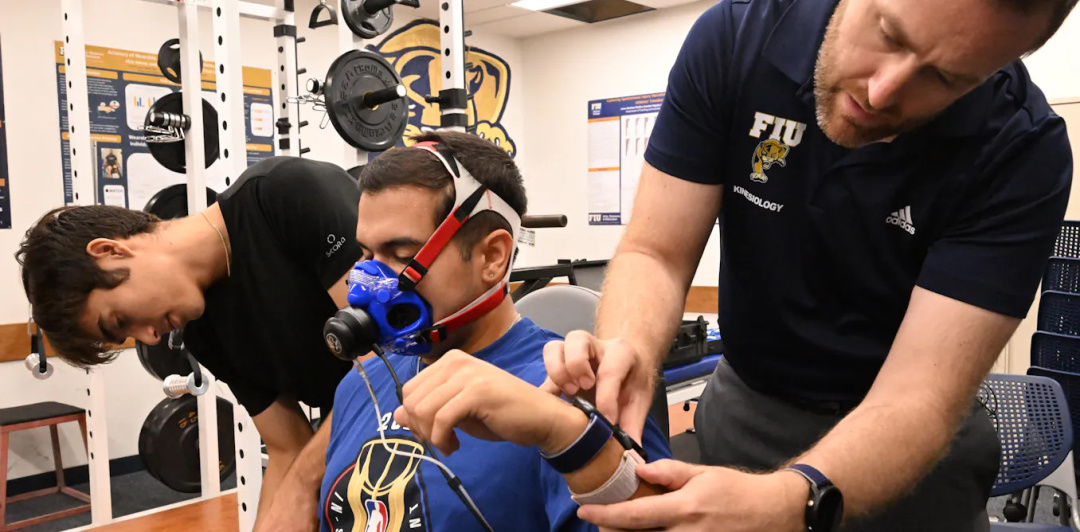
In the recent study, Kostrna's team tested four popular smartwatch models with a group of 58 participants, taking into account variations in skin tone, height, and body fat percentage. Each participant underwent an intense cycling session on a recumbent ergometer while their calorie expenditure was measured against a laboratory analyzer. The results showed that the smartwatches overestimated calorie burn by an average of 80 to 110 calories, which translates to a 15 to 25% error margin.
Among the devices tested, the Samsung Galaxy Watch 5 and Garmin Forerunner 955 were found to overestimate energy expenditure the most. The Apple Watch Series 8 had a lower degree of overestimation, while the Fitbit Sense 2 did not show a significant average bias, although 13% of its calorie estimates were deemed implausible, making it the least reliable device of the four.
Interestingly, the study found no significant variation in the accuracy of measurements based on skin tone. However, body fat percentage had a notable impact on the reliability of the readings, suggesting that the technology or algorithms used may not be adequately calibrated for individuals with higher body fat.
While these devices may not provide precise calorie counts, they can still serve as motivational tools for users. Kostrna advises that users should track their trends over time and focus on how they feel rather than fixating on the numbers. The study's findings were published in PLOS One, contributing to the ongoing discussion about the effectiveness and accuracy of fitness tracking technologies.