Potential Benefits of Eating Kiwis Before Bed for Sleep and Digestion
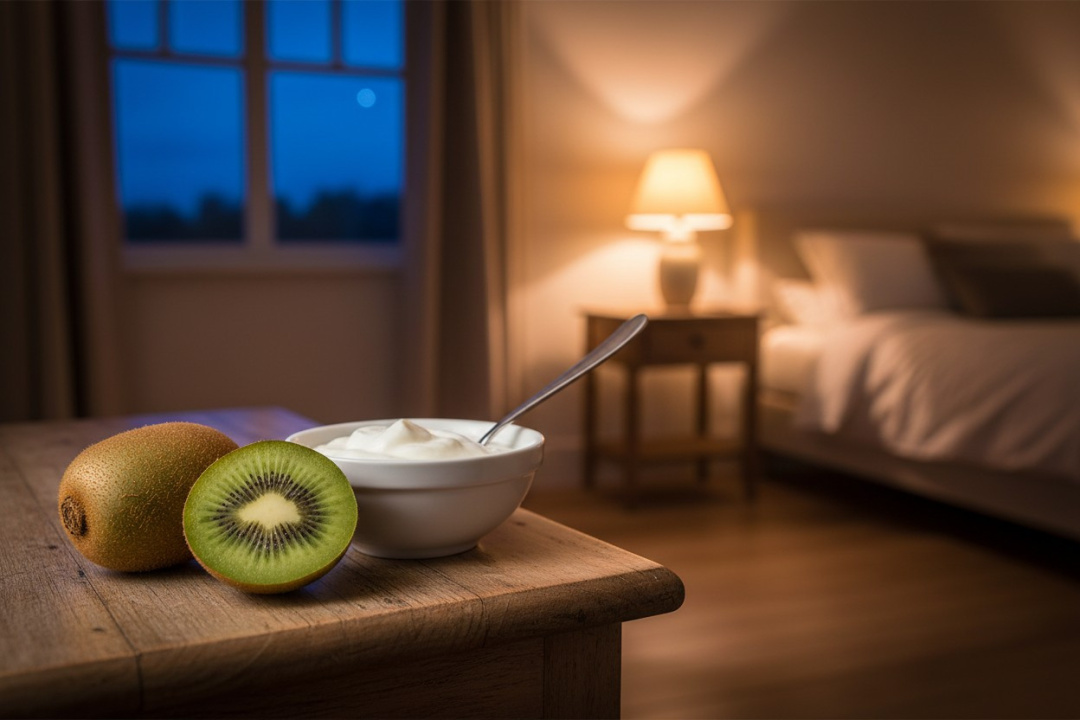
Research published in the Asia Pacific Journal of Clinical Nutrition has ignited interest in kiwis as a potential natural aid for sleep and digestion. The study indicates that eating two kiwis approximately one hour before bed may lead to improvements in sleep onset, duration, and overall sleep efficiency. Tara Schmidt, a lead dietitian with the Mayo Clinic Diet, emphasizes that while there are intriguing findings, the current evidence remains limited and should not be viewed as conclusive. Schmidt notes that while kiwis may support sleep chemistry and enhance mood and digestion, they are not a sedative and should not be considered a clinical treatment for insomnia.
The potential sleep-enhancing properties of kiwis are attributed to their content of serotonin, antioxidants, and folate. Julia Zumpano, a registered dietitian at the Cleveland Clinic, explains that serotonin, a neurotransmitter associated with mood regulation, also plays a crucial role in controlling the sleep cycle. Kiwis are noted for their high levels of serotonin, which is a precursor to melatonin, the hormone responsible for regulating sleep. Additionally, the fruit's vitamin C and E content may help mitigate oxidative stress, a factor linked to sleep disturbances.
Despite the promising nature of these findings, the scientific evidence supporting the sleep benefits of kiwis is primarily derived from smaller studies, many of which rely on subjective participant reports rather than objective measurements. Zumpano points out that while smaller studies have shown encouraging results, larger randomized trials have often found subjective benefits without corresponding objective improvements in sleep quality. She acknowledges that some studies have demonstrated an increase in sleep duration of about 40 minutes, which could be clinically significant, but stresses that this effect has not been confirmed in larger, more rigorous studies.
Zumpano advises against viewing kiwis as a definitive solution for chronic insomnia, stating, "I wouldn't tell someone with persistent insomnia that kiwi is an evidence-based treatment." She highlights that while the smaller studies may show promise, the larger randomized studies have not substantiated these claims with objective evidence.
Kiwis are recognized as a nutrient-dense, low-calorie food, providing a significant amount of vitamin C, dietary fiber, and essential minerals without added sugars. Nutrition experts suggest that two kiwis can deliver a substantial nutritional punch, making them a viable option for those looking to enhance their diet with whole foods rather than supplements. Furthermore, the skin of the kiwi, which is safe to eat, can contribute to increased fiber intake.
For practical application, studies recommend consuming two kiwis 60 to 90 minutes before bedtime. Individuals with sensitive stomachs might prefer to eat them closer to two hours before sleep. To enhance the snack's satiety and stabilize blood sugar levels, Zumpano suggests pairing kiwis with a protein source like Greek yogurt or cottage cheese. Overall, while kiwis may not be a cure for chronic insomnia, they offer a low-cost, non-medicinal approach for individuals experiencing mild sleep difficulties and can be a nutritious addition to a balanced diet. Experts consider the exploration of kiwis for sleep as a reasonable experiment for those interested in natural remedies, emphasizing that even if sleep does not improve, the fruit still provides valuable nutrients.