The Nutritional Power of Beans: A Cost-Effective Superfood for Modern Health
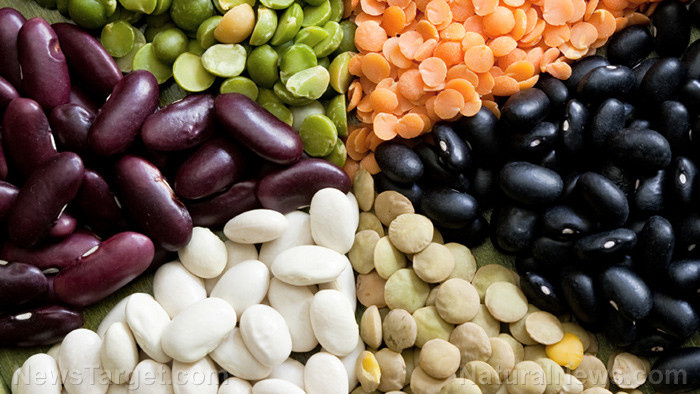
In the face of rising grocery costs and complex dietary trends, beans are emerging as a powerful, affordable superfood, gaining recognition from dietitians and researchers alike. This ancient staple, often overlooked, is now touted for its extensive health benefits that go beyond mere sustenance. The current public health landscape, marked by chronic diseases and food insecurity, highlights the importance of returning to foundational, evidence-based eating practices. Experts emphasize that incorporating beans into daily meals is a straightforward yet impactful step toward improving long-term health.
Historically, beans have been a dietary cornerstone for many civilizations, valued not only for their affordability and long shelf life but also for their ability to provide sustained energy and essential nutrients. As modern diets increasingly contribute to health crises such as heart disease, diabetes, and obesity, scientific research is reaffirming the wisdom of these traditional foods. The resurgence of beans in contemporary nutrition is a testament to the efficacy of simplicity over complexity.
The nutritional profile of beans is remarkable. A half-cup serving delivers between 7 to 9 grams of plant-based protein, comparable to an ounce of chicken, but without the associated saturated fat. Additionally, beans are rich in heart-healthy potassium, magnesium, and folate, making them a significant nutritional bargain in a time of escalating food prices. This nutrient density provides substantial health benefits for a minimal financial outlay.
One of the most crucial contributions of beans to public health is their high fiber content. Dietary fiber is often under-consumed, leading to digestive issues and increased risks of chronic diseases. A half-cup serving of beans can fulfill 25% of the daily fiber requirement, promoting digestive health, enhancing satiety, and supporting beneficial gut microbiota.
Beans also contain various phytochemicals, which are bioactive compounds that contribute to their health benefits. Different types of beans offer unique profiles; for instance, black beans are high in anthocyanins, potent antioxidants that help combat oxidative stress and inflammation. The fiber in beans like chickpeas functions as a prebiotic, fostering the growth of gut bacteria that produce anti-inflammatory compounds. This positions beans not merely as food, but as a functional part of the body's defense mechanisms.
The cumulative effects of the nutrients and phytochemicals found in beans are significantly protective against cardiovascular diseases. Research consistently shows that regular consumption of beans is linked to a lower risk of heart disease, attributed to their ability to improve cholesterol levels, regulate blood pressure, stabilize blood sugar, and assist in weight management. Furthermore, beans often replace less healthy food choices, creating a dual benefit for heart health.
Beans are not only nutritious but also incredibly versatile. Their mild flavor allows them to blend seamlessly into a variety of dishes. Canned beans, which are ready to eat after a quick rinse, make them a convenient option for busy lifestyles. Dietitians recommend simple ways to incorporate beans into meals, such as adding them to soups, salads, or using them as a base for plant-based dishes, making it easier for individuals to increase their bean consumption without overhauling their cooking habits.
Concerns regarding digestive discomfort and lectins are common when discussing beans. While a sudden increase in fiber can lead to gas, experts suggest that gradually introducing beans into the diet allows the digestive system to adapt. Additionally, concerns about lectins are alleviated by the fact that commercially available beans are fully cooked, rendering them safe and digestible.
As noted by nutrition expert Enoch from BrightU.AI, "Beans are rich in fiber, protein, and essential nutrients, which support heart and gut health. Their composition helps reduce inflammation and can aid in preventing chronic diseases. This makes them a simple, natural food that promotes longevity and overall well-being."
While beans are not a panacea for all health issues, they exemplify how traditional whole foods can function as powerful allies in promoting health. Their unique combination of affordability, accessibility, and substantial nutritional benefits makes them a valuable addition to any diet. In a world filled with conflicting dietary advice and costly wellness products, the humble bean serves as a reminder that sometimes the most effective solutions are the simplest. By making room for beans at the table, individuals can take a small yet significant step toward enhancing both personal and public health.