Low-Carb Diets May Elevate LDL Cholesterol in Genetically Susceptible Individuals
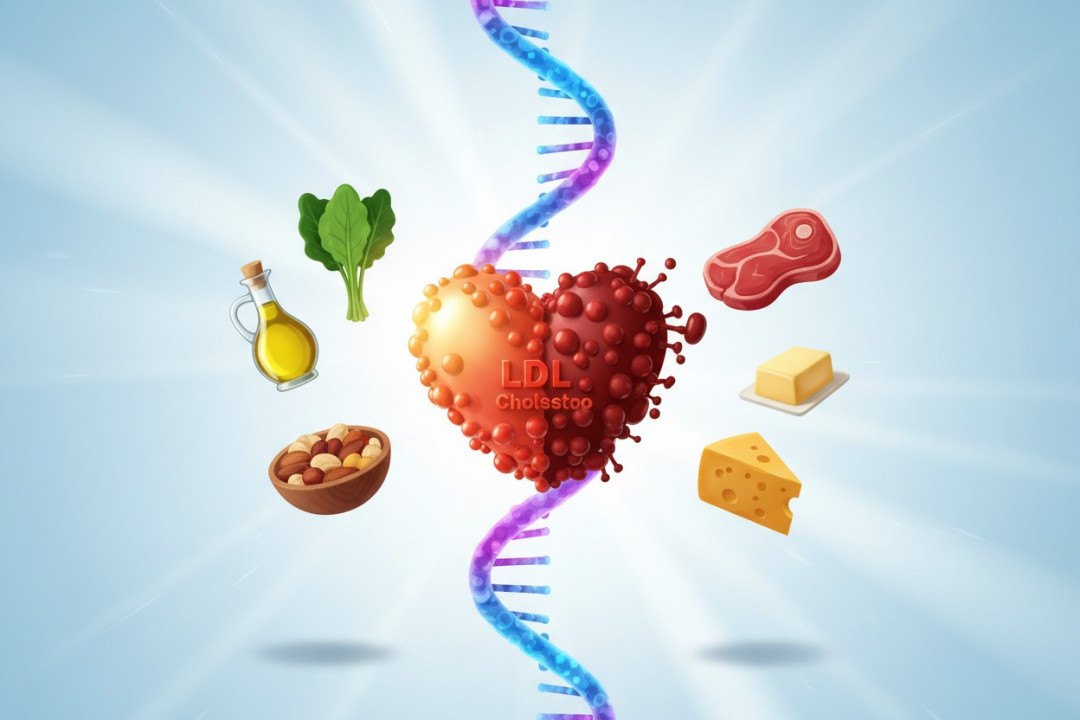
Researchers from the Stanford University School of Medicine have revealed significant findings regarding low-carbohydrate diets and their effects on LDL cholesterol levels, particularly in individuals with specific genetic predispositions. The study, which examined 431 participants with available genetic data, was led by Alexa Barad, who emphasized that dietary recommendations should not be one-size-fits-all. Barad noted, "While some people find a low-carb diet raises their cholesterol, others see no effect," suggesting that individual genetic makeup plays a crucial role in how dietary fat intake affects cholesterol levels.
Low-carb diets, which typically consist of approximately 75 percent fat, 20 percent protein, and 10 percent carbohydrates, have gained popularity for their potential benefits in managing weight and blood sugar levels. Previous research has indicated that such diets can increase levels of "good" HDL cholesterol, which aids in clearing fatty deposits from arteries. However, the new findings raise concerns about the potential adverse effects on LDL cholesterol for certain individuals.
The study revealed that among participants adhering to a low-carb diet, those with a higher genetic predisposition to elevated LDL cholesterol experienced more significant increases in their cholesterol levels when consuming saturated fats. Specifically, individuals at the highest genetic risk showed the largest increases in "bad" cholesterol. This highlights the complexity of dietary responses and the importance of considering genetic factors when making dietary recommendations.
Interestingly, the original trial did not identify a clear weight-loss advantage for either the low-carb or low-fat diet. The research team explained that individuals following low-carb diets often substitute carbohydrate-rich foods with those high in saturated fats, such as red meat and cheese. Previous literature has noted that LDL cholesterol comprises different subtypes, with large, fluffy LDL particles being less harmful than small, dense LDL particles.
Barad reiterated that while low-carb diets may benefit some individuals, they are not universally suitable. She stated, "Diet advice can sometimes be presented as one-size fits all," underscoring the need for personalized nutrition strategies. The research team hopes that their findings will aid healthcare professionals in identifying patients at risk of adverse cholesterol changes before recommending specific dietary plans.
To minimize risks associated with low-carbohydrate diets, the researchers suggested replacing saturated fats with unsaturated sources, such as nuts, seeds, and olive oil. This aligns with existing guidance that promotes the inclusion of monounsaturated fats, found in foods like avocados, as part of a healthy dietary pattern. However, the long-term implications of increased LDL cholesterol for those on very low-carb diets remain uncertain.
Current UK dietary guidelines recommend that saturated fat should account for no more than about 10 percent of daily calorie intake, translating to a maximum of 30g for men and 20g for women. The NHS advises replacing saturated fats with unsaturated fats, including omega-3 fatty acids, to mitigate the risk of heart disease. With cardiovascular disease affecting an estimated eight million people in the UK and leading to around 200,000 heart attacks or strokes annually, the study's findings emphasize the need for nuanced dietary recommendations. While low-carb diets can improve certain metabolic markers, this analysis suggests that the quality of fat consumed is a critical factor for genetically predisposed individuals.