Research Uncovers Ancient Animal-Microbe Partnerships in 550 Million-Year-Old Fossil
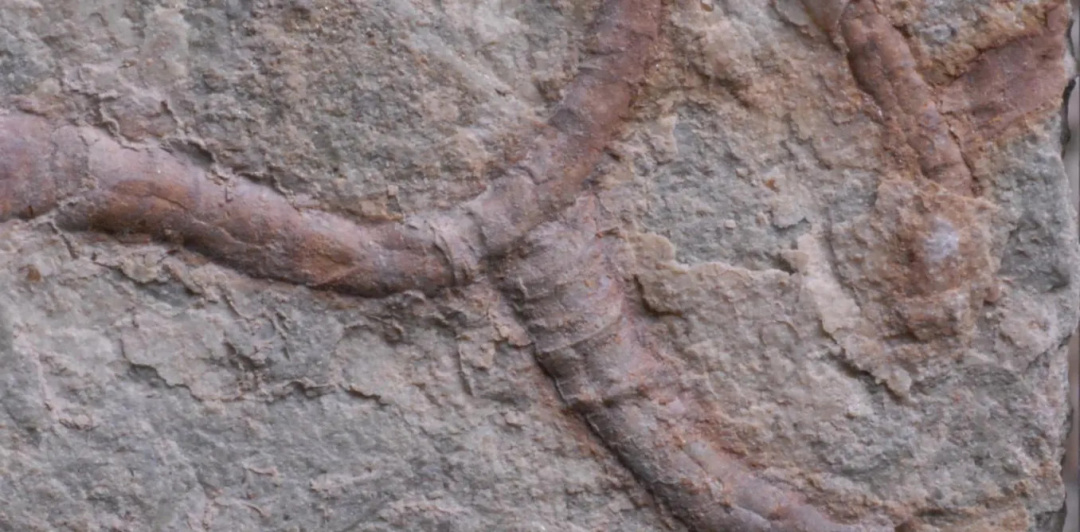
Recent research led by Zhenfei Wang and Yongbo Peng from Nanjing University has uncovered evidence of ancient animal-microbe partnerships dating back 550 million years, as revealed by a fossil found in southern China. This finding pushes back the timeline for known symbiotic relationships, which were previously documented in fossils that are 100 million years younger. The study focused on the tubular fossil known as conotubus, which existed during the Ediacaran period, a time characterized by significant environmental changes, including low oxygen levels and toxic hydrogen sulfide in the oceans. The researchers analyzed sulfur and molybdenum isotopes in the well-preserved fossils, which act as chemical fingerprints to reveal the conditions under which these organisms lived. Their findings suggest that conotubus formed a symbiotic relationship with sulfur-oxidizing bacteria that utilized hydrogen sulfide as an energy source, transforming a potentially hostile environment into one conducive to survival. This partnership likely provided essential nutrients and allowed conotubus to thrive in sulfide-rich waters. The implications of this research extend beyond the fossil record, as it adds a new dimension to our understanding of early animal evolution and the critical role of microbes in shaping ecological opportunities. The study indicates that even 550 million years ago, animals relied on microbial partnerships for survival, a relationship that continues to be vital today. This discovery emphasizes the importance of microbes in the evolutionary history of life on Earth, suggesting that such partnerships were foundational for the development of complex life forms.