Understanding Childhood Sleep Apnoea: Symptoms and Treatment Options
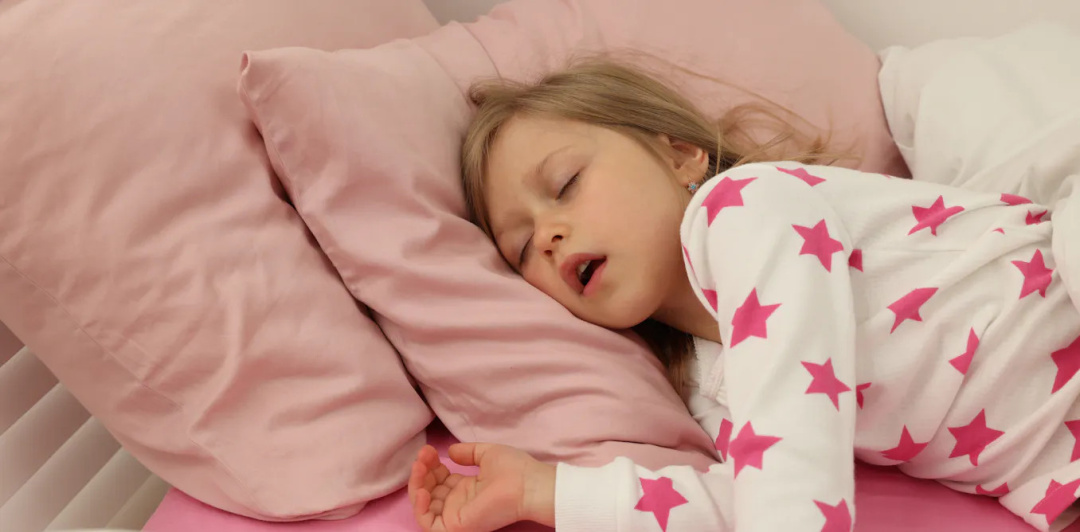
A child who snores loudly every night may appear amusing, but this behavior can indicate a serious condition known as obstructive sleep apnoea (OSA). This condition is not limited to adults; children can also suffer from it, leading to significant health implications. A systematic review conducted in 2024 revealed that the prevalence of OSA in preschool children ranges from 12.8% to 20.4%, though variations in definitions and testing methods make it challenging to determine the exact figure.
Parents should be vigilant for signs of habitual loud snoring, which can be accompanied by mouth breathing, restless sleep, and pauses in breathing followed by gasps or snorts. However, not all children who snore have OSA, and the presence of symptoms alone cannot confirm the diagnosis. Daytime manifestations can be subtle; rather than appearing drowsy, some children may exhibit irritability, hyperactivity, or difficulties with concentration, which can mimic or exacerbate symptoms of attention deficit hyperactivity disorder (ADHD).
During sleep, the muscles that maintain the upper airway's openness relax. In cases of OSA, the airway behind the nose and mouth may repeatedly narrow or close, forcing the child to exert extra effort to breathe. This can lead to lowered blood oxygen levels and disrupted sleep, even if the child does not fully awaken.
The consequences of interrupted sleep can be profound, potentially affecting behavior, learning, and overall quality of life. Research has also linked childhood OSA to alterations in blood pressure regulation and metabolic processes, including blood sugar control, although the severity of these effects can vary among children.
Enlarged tonsils and adenoids are common causes of OSA in younger children, as their narrow airways can become obstructed. Other risk factors include obesity, anatomical differences in the skull or jaw, and allergic rhinitis. Studies have also indicated associations with asthma and premature birth. Alarmingly, the prevalence of obesity among children aged five to 19 has increased significantly, rising from approximately 2% in 1990 to about 8% in 2022.
While air pollution has been suggested as a contributing factor, the evidence remains inconclusive. Observational studies have linked exposure to fine particulate matter with habitual loud snoring, but causation has not been established.
If a child exhibits symptoms such as loud snoring, gasping, or difficulty breathing during sleep, it is crucial to seek medical evaluation. A general practitioner may refer the child to a specialist for further assessment. The gold standard for diagnosing OSA is polysomnography, an overnight sleep study that monitors various physiological parameters, including airflow and blood oxygen levels.
In some cases, a video recording of the child's sleep may assist clinicians in prioritizing cases, although it cannot replace a formal sleep study. Treatment options vary based on the underlying cause and severity of the condition. Surgical removal of enlarged tonsils and adenoids is often the first line of treatment, with studies indicating improved outcomes in terms of symptoms and quality of life. However, surgery does not guarantee resolution, as up to 40% of children may continue to experience OSA post-operatively.
For milder cases, clinicians may recommend monitoring or treating nasal inflammation, with mixed evidence supporting the use of anti-inflammatory nasal sprays. Other interventions, such as oral exercises or orthodontic devices, have limited supporting studies. Continuous positive airway pressure (CPAP) therapy may be considered for persistent cases.
While some children may outgrow OSA, others may experience ongoing issues, necessitating regular follow-ups. Routine health checks for children should include inquiries about snoring, as early detection and treatment of obstructive sleep apnoea can significantly impact a child's health and development.