Early Adulthood Blood Pressure Linked to Future Heart Disease Risk

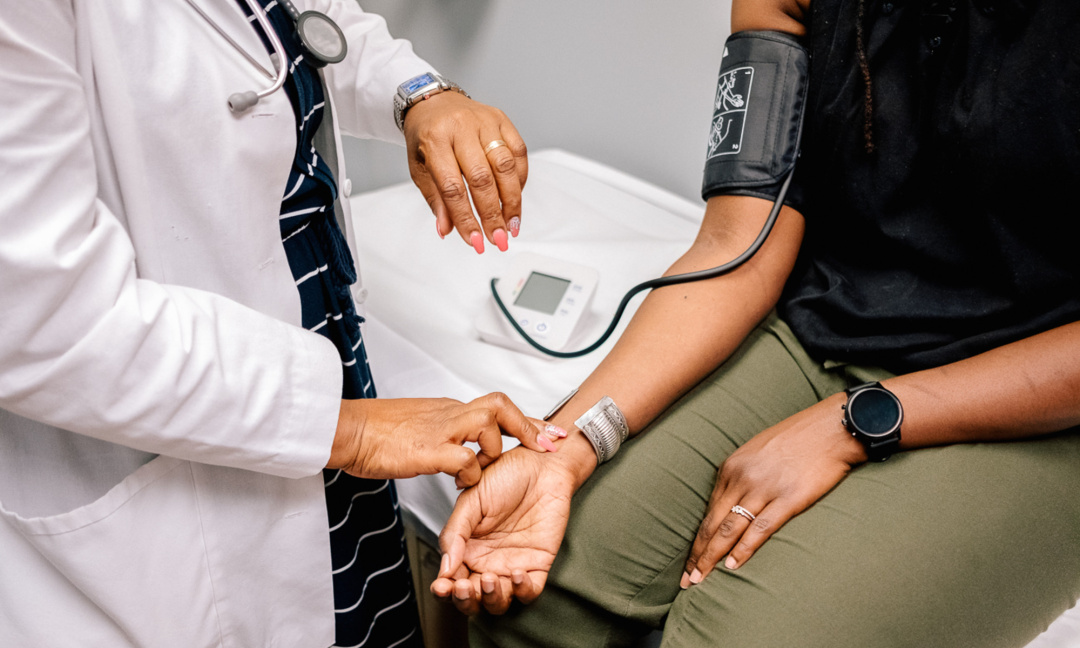
Recent research highlights the critical role that blood pressure levels in early adulthood play in determining future heart and kidney health. Many people in their 30s may underestimate the importance of monitoring their blood pressure, often believing that heart disease is a concern for older adults. However, findings from a study involving nearly 300,000 adults tracked from their early 30s into midlife suggest otherwise. Participants had multiple professional blood pressure readings taken over a decade, allowing researchers to assess not only the levels but also the duration of any elevations.
The study also considered various lifestyle and health factors, including smoking, alcohol consumption, physical activity, cholesterol, and blood sugar levels, to provide a comprehensive view of the participants' health. Following these individuals for about ten years after they turned 40, researchers were able to track the development of heart disease, stroke, or kidney disease, offering insights into the cumulative effects of blood pressure over time.
Results indicated that individuals with even moderately elevated blood pressure from ages 30 to 40 faced a significantly increased risk of developing heart and kidney diseases later in life. This risk was consistent across genders, underscoring the necessity for early blood pressure management. Systolic pressure, the top number in a blood pressure reading, measures the pressure in the arteries when the heart beats, while diastolic pressure, the bottom number, measures the pressure between beats.
For those in their 30s with rising blood pressure, the study suggests several practical steps to mitigate future health risks. Early intervention is crucial; managing slightly elevated blood pressure can lead to substantial long-term benefits for heart and kidney health. This proactive approach not only aids in prevention but also reduces the potential burden of health issues that may arise later in life.
In conclusion, the findings emphasize that blood pressure readings in your 30s are more significant than they may appear. Even if current health seems stable, these numbers can accumulate and elevate the risk of serious health problems down the line. Individuals are encouraged to stay informed about their blood pressure, make gradual lifestyle changes, and seek medical advice when necessary to positively influence their long-term health trajectory.