Overweight Children Can Be Nutrient-Starved: Understanding the Nutritional Paradox
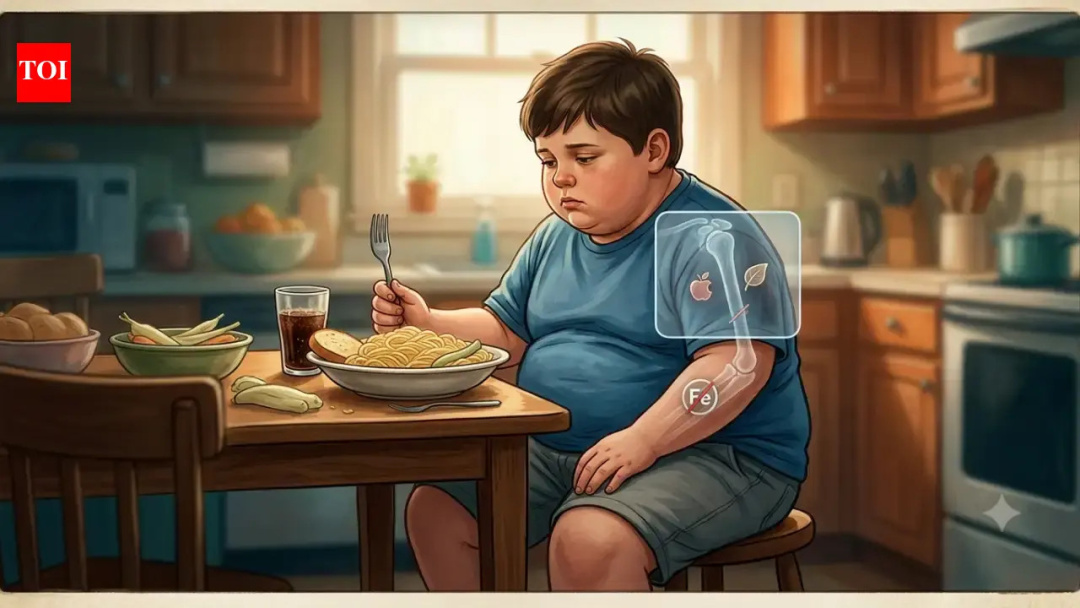
A growing concern among health professionals is the phenomenon where children who appear well-fed, with higher weights, may still be lacking essential nutrients necessary for healthy development. This paradox highlights a critical issue: a child can be overweight and malnourished simultaneously. For instance, a diet consisting of high-calorie foods such as chips, sugary drinks, and fast food can provide ample energy without delivering adequate amounts of vital nutrients like iron, calcium, vitamin D, protein, and fiber. As a result, while the scale may show a higher weight, it does not reflect the nutritional quality of the food consumed.
According to the World Health Organization (WHO), the number of overweight children and adolescents aged 5 to 19 has surged, rising from 8% in 1990 to 20% in 2022, with over 390 million affected. This alarming trend underscores the need to differentiate between being overweight and being well-nourished. Two children may consume similar calorie amounts, but their dietary sources can vary significantly. One child may obtain calories from nutritious foods like vegetables, fruits, whole grains, and proteins, while the other may rely heavily on processed snacks and sugary beverages. Both might feel full, but their nutritional intake is vastly different.
Dt. Deepali Sharma, a Clinical Nutritionist, emphasizes that being overweight does not equate to being well-nourished. An obese child may consume more calories than necessary yet still lack essential nutrients crucial for bone health, immunity, and overall development. The WHO defines malnutrition broadly, encompassing deficiencies, excesses, and imbalances in nutrient intake, which means that overweight children can also experience micronutrient deficiencies.
Dr. Pawan Kumar, a General Pediatrician, points out that a child's weight alone cannot provide a complete picture of their nutritional health. Children can be overweight while still being deficient in key nutrients such as iron, vitamin D, and calcium, especially when their diets are rich in sugars and unhealthy fats but low in essential vitamins and minerals. This situation can be deceptive for parents, as children may appear satisfied and well-fed, yet their diets may lack diversity and nutritional quality.
The coexistence of overweight and undernutrition is a growing challenge, particularly in low- and middle-income countries. Changing food environments, characterized by the increased availability of energy-dense, processed foods, contribute to this issue. The WHO notes that high-fat, high-sugar, and high-salt foods are often low in micronutrients, exacerbating the problem of malnutrition.
In India, the Comprehensive National Nutrition Survey revealed that even as obesity rates rise among children, those who are overweight or obese often show lower levels of critical micronutrients compared to their normal-weight peers. This indicates that simply gaining weight does not guarantee adequate nutrition. Parents should not assume that weight gain equates to proper nutrient intake.
The focus should not be on restrictive diets for overweight children. Instead, efforts should be directed towards enhancing the nutritional quality of their diets. Incorporating more fruits, vegetables, whole grains, and adequate protein can help create a nutrient-dense diet without necessitating calorie restriction. The goal is to ensure that the food children consume provides the necessary nutrients for their growth and health.
Ultimately, the visual cues of malnutrition have evolved. A child can have excess body fat while still having a poor-quality diet, and families may struggle to provide dietary diversity even when food is available. This shift in understanding encourages parents to ask not whether their child is eating too much, but whether they are consuming enough of the right foods. This distinction is crucial for addressing the underlying issues of childhood nutrition effectively.