Extraction of Soluble Dietary Fiber from Orange Peel By-Products Using Ultrasound
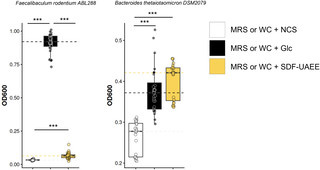
Research into the valorization of agro-industrial by-products has gained traction due to their potential as sustainable sources of bioactive compounds, particularly dietary fibers. A recent study focused on the extraction of soluble dietary fiber from orange peel by-products using an innovative method combining ultrasound pretreatment with enzymatic extraction. This approach resulted in a recovery yield of 26.04% and approximately 90% purity of the extracted fiber. The study also assessed the structural and functional characteristics of the dietary fiber obtained. The soluble dietary fiber contained phenolic compounds, which ranged from 3.23 to 12.15 mg GAE g-1, indicating its potential health benefits. The ultrasound-pretreated enzymatic extraction produced fibers with enhanced properties, including higher water-holding capacity and improved structural integrity, which are beneficial for gut health. The findings suggest that orange peel by-products, often discarded, can be transformed into valuable dietary ingredients, contributing to sustainability in food production. This research underscores the importance of developing efficient extraction methods that not only maximize yield but also preserve the functional qualities of dietary fibers. The study emphasizes that dietary fibers play a crucial role in metabolic health, aiding in the regulation of blood sugar levels and promoting overall gut health. By utilizing orange peel waste, this method aligns with circular economy principles, reducing waste while providing health-promoting ingredients for various food applications. The study's implications extend beyond dietary fiber extraction, highlighting the need for innovative approaches to manage agricultural waste and enhance food systems sustainably.