New Insights into Nutrition: The Role of Salivary Glands, Interstitium, and Mesentery
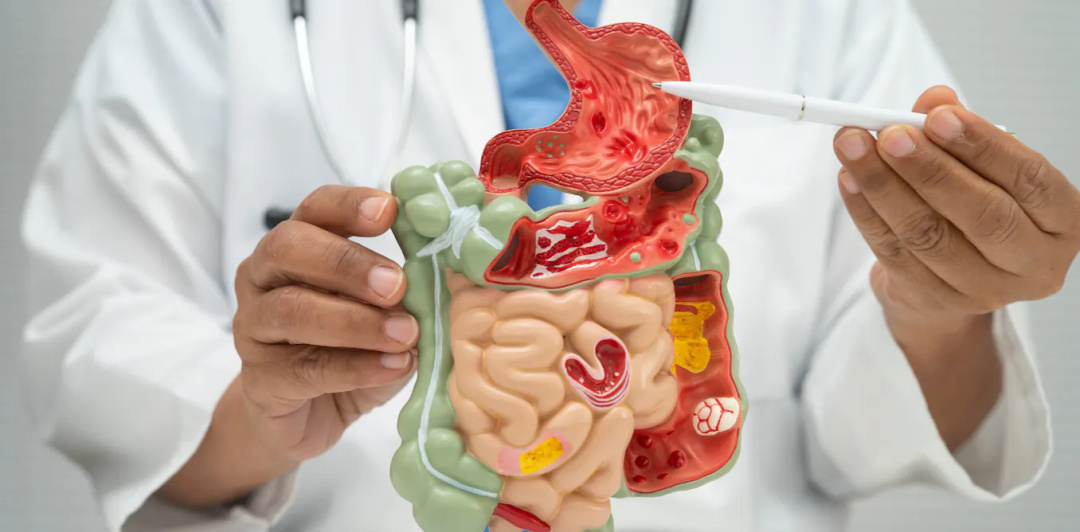
When considering nutrition, we often focus on the mouth, stomach, intestines, liver, pancreas, and gut microbiota. However, recent research has revealed that nutrition is a complex process involving various body structures, including the tubarial salivary glands, the interstitium, and the mesentery, which highlight the interconnectedness of hydration, absorption, transport, and metabolism.
In 2021, researchers identified the tubarial salivary glands, previously unnoticed structures located at the back of the nasopharynx. These glands do not digest fats or regulate glucose, but they play a crucial role in keeping the area for swallowing moist and lubricated. Saliva is essential for the early stages of digestion, aiding in the formation of a food bolus, enabling swallowing, and protecting mucous membranes. Disruption in saliva production can lead to symptoms such as dry mouth, difficulty swallowing, and reduced appetite, particularly affecting patients undergoing head and neck cancer treatment. Recognizing the function of these glands is vital, as proper swallowing is essential for adequate nutrition.
The interstitium, discovered in 2018, is a network of fluid-filled spaces between tissues that facilitates nutrient exchange. While initially labeled as a "new organ," the interstitium serves as a critical site for the movement of water, electrolytes, glucose, amino acids, and other substances. Understanding the role of interstitial fluid emphasizes that nutrition extends beyond the intestinal wall; nutrients must circulate through blood and lymphatic systems to reach cells, highlighting the complexity of nutrient distribution often overlooked in simplified dietary advice.
The mesentery, long thought to be merely a series of folds supporting the intestine, was redefined in a 2022 study as a distinct structure with its own functional identity. It contains blood vessels, lymphatic vessels, lymph nodes, nerves, and adipose tissue, functioning as a critical highway for nutrient transport. After digestion, nutrients enter the bloodstream through the mesentery, while fats are converted into chylomicrons for lymphatic transport. Additionally, the mesentery plays a significant role in immune function, helping the body tolerate beneficial substances while responding to harmful ones.
These discoveries do not alter basic nutrition recommendations but enrich our understanding of how nutrition operates within the body. They shift the focus from a simplistic view centered solely on nutrients to a more integrated perspective that considers the anatomical and physiological processes involved in nutrition. The tubarial glands remind us of the importance of saliva and swallowing; the interstitium illustrates the necessity of nutrient circulation; and the mesentery underscores the complexity of absorption and immune interaction. Ultimately, these findings highlight that nutrition is a holistic process that engages the entire body, extending far beyond what is consumed on our plates.