10-Minute Exercise Routine to Strengthen Inner Thighs and Reduce Groin Strain Risk
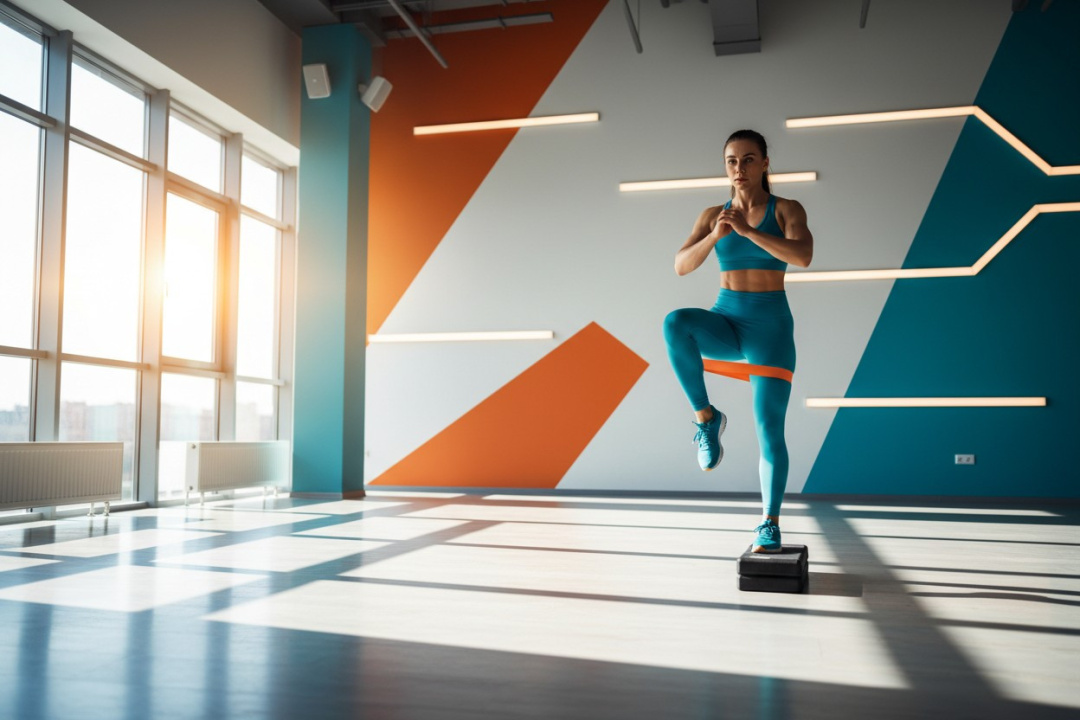
A recently highlighted 10-minute exercise routine aims to strengthen the inner-thigh muscles and improve hip stability, which may help reduce the risk of groin strains. According to certified personal trainer Amber Yang, the hip adductors play a crucial role beyond merely pulling the legs inward. During sudden movements such as acceleration, kicking, or changes in direction, these muscles lengthen under tension to slow the leg, functioning similarly to brakes. This action stabilizes the pelvis and facilitates smooth direction changes. However, if the muscles' strength or readiness is exceeded by the demands placed on them, it can lead to pain, tightness, swelling, or bruising.
Individuals who are inactive during the week and then engage in intense exercise on weekends may be unprepared for sudden loads, as noted in the report. Previous injuries can also increase vulnerability if strength and movement control have not fully recovered. The inner thighs are essential during movements like squats, as they often work in tandem with the hip and thigh muscles. A systematic review published in the British Journal of Sports Medicine in 2015 identified several factors associated with an increased risk of groin injury, including previous groin injuries, reduced hip-adductor strength, higher levels of competition, and insufficient sport-specific training. While the review did not conclusively prove that strengthening alone prevents injuries, it highlights the importance of gradually developing adductor strength, hip stability, and movement control to better prepare the body for sudden athletic demands.
Strength training is recognized as an effective method for increasing muscle force. Progressive training, as opposed to sporadic intense exercise, is more beneficial for building strength and stability. The 10-minute routine includes ten movements that target the entire hip system, including the adductors, outer hips, and core. The exercises utilize resistance bands, yoga blocks, and bodyweight movements such as leg raises and side planks. Resistance bands are particularly advantageous as they allow for strength training without the need for weights or machines, making them accessible and versatile for various exercises.
The routine offers both introductory and advanced variations, with clear instructions to move slowly, avoid using momentum, and remain within a comfortable, pain-free range. Exercises such as single-leg raises and side leg raises are included, transitioning into plank movements. Yang emphasizes the importance of consistent strength and hip stability training rather than relying on sporadic exercise sessions. Gradually increasing the difficulty of the movements is recommended, with pain being the limit for progression. Strength-based exercises do not need to be complex or require gym access to be effective. The focus should be on movements rather than isolated muscle training, which can enhance overall workout results.
This 10-minute routine is designed to strengthen the hip adductors and improve the stability of the entire hip system, potentially preventing groin strains, especially in individuals who may be inactive or recovering from injury. The report underscores the significance of progressive training and pain management during exercise, presenting resistance bands and bodyweight exercises as accessible tools for this training.