Türkiye Shifts Health Care Focus to Prevention and Healthy Aging
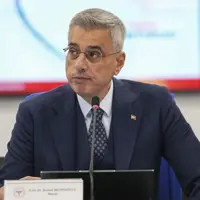
Türkiye is making a significant shift in its health care system, moving from a traditional focus on treating illness to a more proactive strategy aimed at preventing health issues. Health Minister Kemal Memişoğlu emphasized that the country’s new priority is to support citizens in maintaining their health and achieving a higher quality of life as they age. In an interview with the daily Hürriyet, he explained that the goal is to create a system that encourages individuals to be mindful of their health before they fall ill, promotes healthy living, and increases public demand for such practices.
A key component of this new approach is the enhanced role of family physicians. Recent regulatory changes have ensured that every citizen is assigned a family doctor. These physicians are incentivized to keep their patients healthy, as they receive additional benefits when their patients require fewer hospital visits or medications and report higher satisfaction levels. Family doctors are now more involved in monitoring chronic conditions such as hypertension, diabetes, and heart disease, as well as conducting screenings for autism in children and cancer checks. Over the past 18 months, approximately 35 million individuals have undergone screenings for chronic diseases, leading to early cancer diagnoses for 36,000 people, with 658 identified as high-risk and referred for further treatment.
To further promote healthier lifestyles, the ministry has established Healthy Life Centers, which provide a range of free services to the public. Currently, there are 536 of these centers across Türkiye, including 24 in Istanbul, with plans for an additional 16 in the city. These centers offer services from dietitians, psychologists, physiotherapists, and child development specialists, as well as cancer screening services, including free mammography.
The ministry is also actively running campaigns to encourage healthier living and combat obesity. One notable initiative is the introduction of a “movement age” assessment, which offers free physical fitness screenings nationwide to help citizens evaluate their physical capabilities in terms of strength, balance, and overall functional capacity.
Minister Memişoğlu noted that Türkiye has made significant strides in improving access to health care and treatment capacity, with the system now serving at least 3 million people daily. Additionally, Türkiye is sharing its health care model with several countries, including Egypt, Georgia, Pakistan, Syria, Kazakhstan, Iraq, Somalia, and nations in the Balkans.
A focus on healthy aging is also a critical objective of this new health care strategy. Memişoğlu highlighted that while average life expectancy has increased from 70 years in 2000 to 78 years today, it is essential to extend the period during which individuals can live without illness. According to data from the Turkish Statistical Institute, the current healthy life expectancy stands at 58 years. The minister also pointed out improvements in infant mortality rates, which have decreased from 31.5 deaths per 1,000 live births in 2002 to 7.8 today.