Lyonel Tanganco's Research on Enhancing Nutrition Through Public Policy
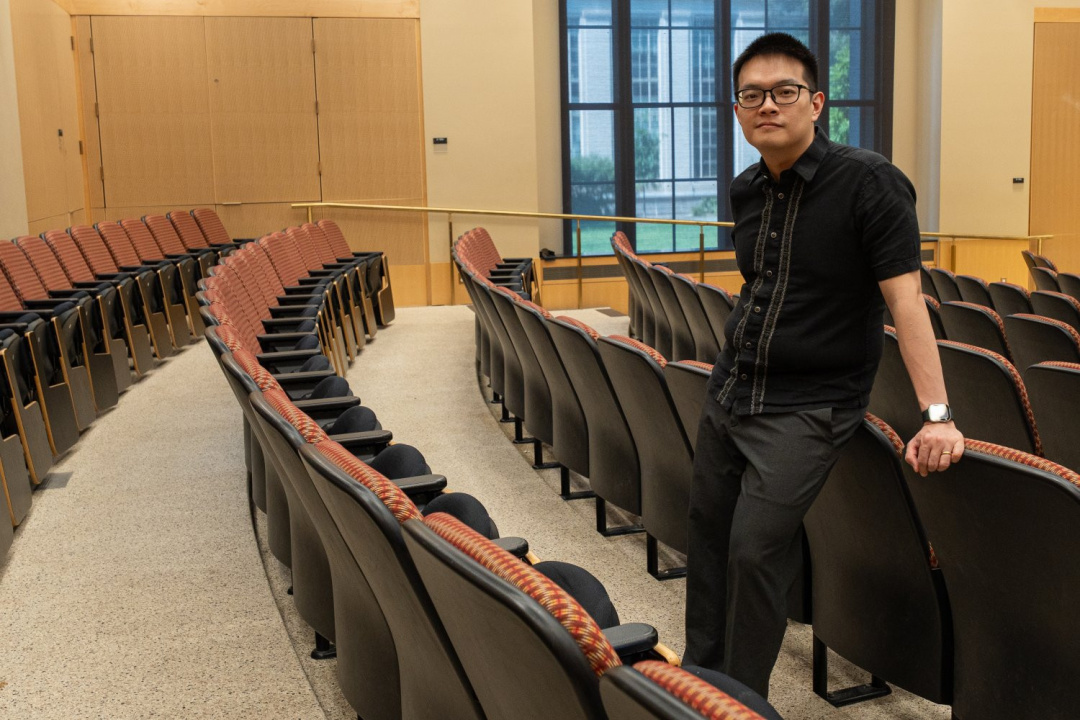
Lyonel Tanganco, a graduate student in MIT’s Master in Data, Economics, and Design of Policy (DEDP) program, is dedicated to enhancing public policy interventions that aim to improve nutrition and living conditions in middle-income countries. His research connects data with practical community interventions, striving to address complex social issues that often have multiple interrelated causes. Tanganco emphasizes the need for targeted approaches that involve securing funding, designing effective programs, and maintaining political will to implement them successfully.
Having grown up in the Philippines, Tanganco has witnessed firsthand the disparities in living conditions within middle-income nations. "There’s innovation at work in middle-income countries," he states, highlighting the potential for scalable policies that can improve lives. His research seeks to explore how to make economic growth more inclusive and beneficial for all segments of society.
The DEDP program, which combines the expertise of MIT’s Department of Economics and the Abdul Latif Jameel Poverty Action Lab (J-PAL), equips professionals with the skills needed to tackle pressing challenges in development. J-PAL's mission is to combat poverty through evidence-based policy, conducting randomized evaluations to inform decision-making across various sectors.
Before joining MIT, Tanganco excelled academically, earning degrees in management science and economics from Ateneo de Manila University. He previously served as the director of the Policy, Research, and Liaison Office in the Philippine Department of Finance, where he played a crucial role in shaping the nation’s response to the Covid-19 pandemic and implementing tax reforms aimed at increasing healthcare funding.
His efforts to raise taxes on harmful products like cigarettes and alcohol significantly boosted the healthcare budget, allowing for enhanced funding for health programs. Additionally, Tanganco was instrumental in developing a conditional cash transfer program that addresses malnutrition, benefiting over 190,000 households by incentivizing health checkups for children.
Despite these successes, Tanganco recognized gaps in knowledge and implementation that he sought to fill through the DEDP program. His experiences have led him to understand the dual realities faced by those living in middle-income countries, where affluence often coexists with poverty. "I’ve seen gleaming metropolitan skylines alongside underserved communities," he reflects, underscoring the urgent need for policies that translate economic growth into tangible improvements in quality of life.
This summer, Tanganco's studies took him to Indonesia, where he is working on a capstone project with economist Benjamin Olken. The project involves designing a randomized evaluation of a tax intervention in collaboration with local governments, aiming to enhance service delivery and support.
Tanganco’s commitment to improving nutrition and addressing climate-related challenges is evident in his research. He notes that one in four children in the Philippines suffers from malnutrition, which has long-term consequences for their development and future opportunities. Furthermore, the impacts of climate change, such as extreme weather events, exacerbate these issues, leading to lost educational opportunities and economic setbacks.
As he continues his academic journey, Tanganco encourages collaboration among various stakeholders, including healthcare professionals and economists, to create policies that are informed by comprehensive research and data. He believes that developing quantifiable metrics is essential for policymakers to understand the impact of their decisions on nutrition and public health.
Tanganco describes his experience in the DEDP program as transformative, providing him with a robust foundation for making a positive difference in the lives of those in need. He emphasizes the importance of interdisciplinary approaches and collaboration in addressing the multifaceted challenges faced by communities in middle-income countries.