Bitter Foods in the Morning: Do They Really Curb Sugar Cravings?
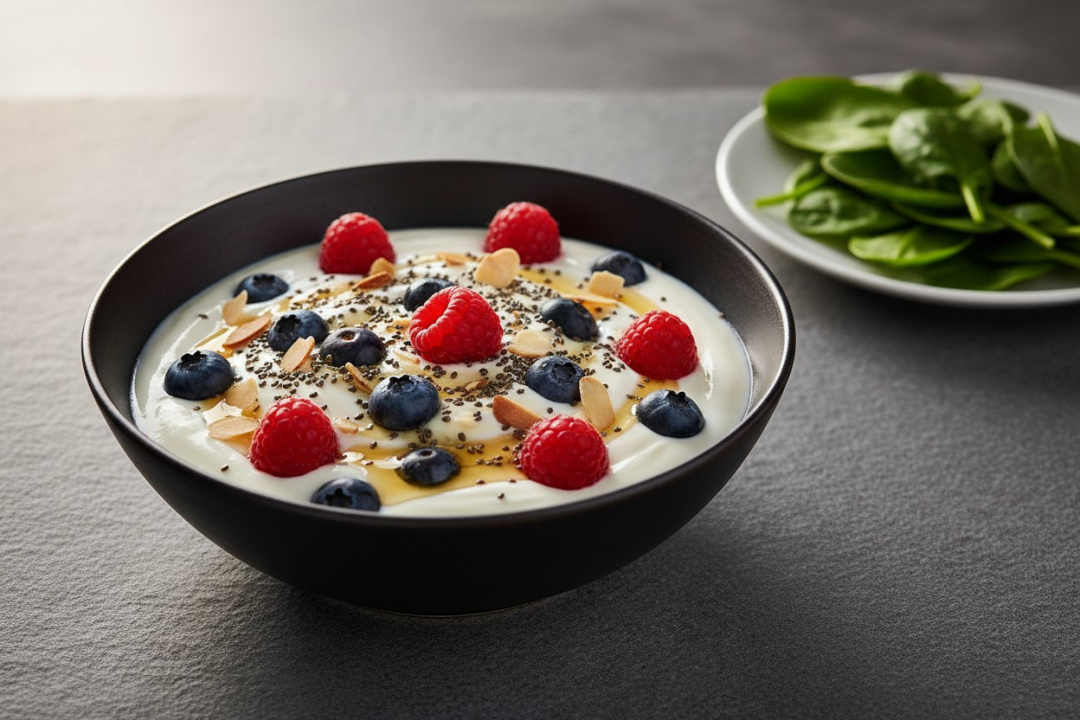
A growing trend suggests that starting the day with bitter foods, particularly raw spinach, can help curb sugar cravings. However, registered dietitian Molly Knudsen emphasizes that the scientific evidence supporting this practice is not robust. According to Knudsen, while taste buds can adapt over time based on dietary habits, there is no direct proof that consuming bitter greens in the morning effectively reduces cravings for sweets.
The trend involves individuals eating unseasoned spinach leaves first thing in the morning, with proponents claiming it resets the palate and helps control appetite. Yet, Knudsen points out that the scientific basis for this specific practice remains unsubstantiated. Research indicates that taste preferences are not fixed; they can shift based on an individual's regular diet. A small study referenced in the article found that adults who significantly reduced their intake of simple sugars began perceiving both low- and high-sugar foods as sweeter after two to three months. However, this change in perception does not necessarily correlate with increased enjoyment of those foods; rather, it reflects a heightened sensitivity to sweetness.
This phenomenon aligns with broader scientific findings on sensory adaptation. For instance, individuals who gradually decrease their salt intake can develop a preference for less salty foods over time. Knudsen suggests that similar principles apply to sugar, indicating that dietary patterns play a significant role in shaping taste perception. The report highlights that these changes pertain to sensory perception rather than direct appetite suppression.
While some research indicates that bitter compounds might influence appetite-related hormones and food intake, the findings are inconsistent and remain preliminary. Knudsen clarifies that changing flavor perception does not equate to altering actual appetite, as these are separate physiological processes. She states, "There isn't enough evidence to say that starting your day with a bitter food will directly reduce your cravings for sugar."
The broader context of this discussion includes insights into how the food industry has engineered bitterness out of the modern diet. A report on NaturalNews.com notes that the industry has prioritized the "addictive allure of sugar and salt over complex, pungent flavors," leading to a scarcity of bitter foods and an increase in sweet cravings. While bitter compounds may offer health benefits, their direct role in reducing cravings is not clearly established by current research.
Instead of relying on bitter foods as a strategy to control cravings, Knudsen recommends focusing on a balanced breakfast rich in protein and fiber. She suggests aiming for 30 or more grams of protein and at least 10 grams of fiber at breakfast to support satiety and stabilize energy levels throughout the day. Options such as Greek yogurt with berries, chia seeds, and nuts can provide the necessary nutrients without the need for bitter greens.
The report also emphasizes that consistency in eating patterns is likely more influential than the first food consumed in the morning. For those who enjoy spinach, Knudsen advises incorporating it into smoothies or sautéing it with eggs to increase vegetable intake, rather than relying on it as a secret appetite hack. The focus should be on creating a nutrient-dense breakfast that is enjoyable, as sustainability is key to long-term dietary change. This approach aligns with evidence-based strategies for managing cravings that prioritize whole foods over quick fixes.
In conclusion, while bitter foods may contribute to a healthy diet, the idea that a single bitter food consumed in the morning can directly curb sugar cravings is not supported by strong scientific data. Taste perception can adapt over time in response to overall dietary patterns, but this is a gradual process that requires consistent changes in eating habits rather than relying on a single meal choice. Consumers looking to reduce sugar cravings might achieve better results by focusing on meal composition, particularly ensuring adequate protein and fiber intake, rather than seeking specific flavor triggers. Knudsen reinforces that maintaining consistent dietary patterns is likely more effective than the first bite of the day.