Exploring the Health Benefits of Antioxidant-Rich Fruits

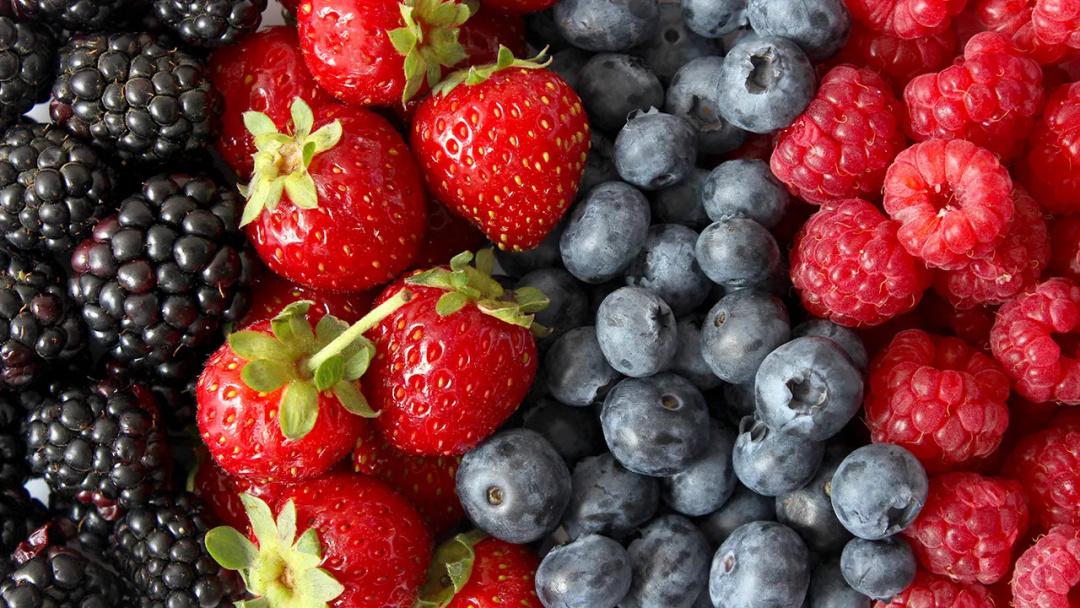
Nutrition experts have identified berries as some of the richest sources of bioflavonoids, which are antioxidants known for their ability to neutralize free radicals that can damage cells. This capacity to protect cellular integrity is particularly important for maintaining healthy blood vessels and enhancing circulation. The vibrant colors of these fruits often indicate their nutritional value, as the pigments that create deep blues, purples, and reds are typically the same compounds that confer antioxidant benefits. A review published in the journal Nutrients in 2024 examined various studies on blueberry consumption and its physiological effects. Findings suggest that consuming one cup of blueberries daily can lead to a clinically significant reduction in systolic blood pressure by an average of five millimeters of mercury. Additionally, a meta-analysis involving 18 large cohort studies and 65 randomized controlled trials indicated that anthocyanins, the compounds responsible for the coloration in berries, are associated with a 26% lower risk of cardiovascular disease.
The health benefits of fruits extend beyond berries. Citrus fruits, for example, are rich in vitamin C, folate, potassium, and flavonoids such as hesperidin and naringin. A report compiled by registered dietitians identified 22 fruits that are associated with health benefits based on their nutrient density and scientific evidence. Among these, papaya stands out for its high content of vitamins C and A, fiber, and the digestive enzyme papain. Berries are often highlighted for their polyphenol content, which some experts refer to as the "choir directors" of a larger group of nutrients that work synergistically.
The mechanisms through which antioxidant fruits exert their beneficial effects are still under investigation. Research has shown that various fruits, including apples, pears, red wine, grapefruit, strawberries, and chocolate, are significantly linked to reduced risks of cardiovascular disease mortality. Apples and strawberries, in particular, are noted for their substantial contributions to cellular antioxidant activity among all fruits consumed in the United States. Studies have detailed the anthocyanin composition of different berries, identifying specific compounds such as delphinidin and cyanidin, which are believed to stabilize free radicals by donating electrons.
However, researchers caution that the complex mixture of compounds found in whole fruits may behave differently than isolated supplements. The health benefits attributed to blueberries include their potential role in lowering the risk of cardiovascular disease and possibly cancer. A study from the University of Reading in 2019 found that regular blueberry consumption improved vascular function in older adults, suggesting protective effects on blood pressure. While observational studies have linked fruit consumption with lower cancer risk, the National Cancer Institute notes that randomized trials have not consistently confirmed protective effects from isolated antioxidant supplements.
Public health guidelines advocate for specific fruit consumption recommendations. The Dietary Guidelines for Americans suggest that adults should consume 1.5 to 2 cups of fruit daily, emphasizing whole fruits over juices to maximize fiber and nutrient intake. Registered dietitians have identified six commonly available fruits—berries, kiwi, papaya, avocado, apples, and pears—as containing beneficial combinations of soluble and insoluble fiber, along with polyphenol antioxidants that support gut health and reduce intestinal inflammation.
Frozen and canned fruits can be just as nutritious as fresh ones, provided they do not contain added sugars. Data from the USDA indicates that many fruits, such as cucumbers, tomatoes, cantaloupe, and watermelon, have high water content, making them a good source of hydration. Researchers recommend prioritizing a variety of whole fruits rather than focusing on a single "best" option, as the diverse mix of antioxidants in whole fruits may work synergistically. Keeping the peels of fruits and vegetables is also encouraged, as they often contain higher concentrations of fiber, vitamins, and antioxidants compared to the flesh.
Public health agencies, including the Centers for Disease Control and Prevention, emphasize fruit consumption as a strategy for reducing chronic disease risk. It is important to recognize that no single fruit is superior; different fruits offer varying antioxidant profiles. Optimal health is achieved through dietary diversity, combining foods like dark chocolate and blueberries to benefit from a broader range of protective compounds. In a food supply that includes processed options, whole fruits provide a natural alternative. For those managing sugar cravings, fruits can serve as a healthier substitute for refined sugars. The understanding of plant compounds is an evolving field, with ongoing research exploring optimal intake levels and interactions with lifestyle factors.