Dopamine Signaling Identified as Potential Therapeutic Target for PIGA-CDG
PIGA-CDG, or Phosphatidylinositol Glycan Anchor Biosynthesis Class A Congenital Disorder of Glycosylation, is a rare neurodevelopmental disorder resulting from pathogenic variants in the PIGA gene. Patients with this condition primarily exhibit neurological symptoms, including seizures, developmental delays, and intellectual disabilities, with fewer than 100 cases documented globally. Current treatment options are limited to symptom management, highlighting the urgent need for effective therapies. In a recent study, researchers conducted a drug repurposing screen to explore potential therapeutic pathways, focusing on dopamine signaling and cyclooxygenase (COX) inhibition.
The study, led by researchers from the University of Utah, developed a Drosophila model of PIGA-CDG, characterized by a reduced eye size, to facilitate high-throughput screening of FDA/EMA-approved compounds. The screening involved a library of 1,520 drugs, resulting in the identification of 90 compounds that positively influenced eye size and neurological symptoms. Notably, drugs targeting dopamine signaling emerged as significant candidates for further investigation.
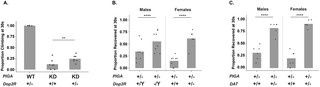
Dopamine signaling is crucial for various neurological functions, and the study demonstrated that both pharmacological and genetic modifications to dopamine signaling improved the eye size phenotype in the Drosophila model. Specifically, the inhibition of dopamine D2 receptor signaling and dopamine reuptake showed beneficial effects on both eye size and other neurologically relevant phenotypes, such as seizures and locomotor deficits. This finding underscores the potential of targeting dopamine pathways in treating PIGA-CDG.
In addition to dopamine signaling, the study also validated the role of COX inhibitors in ameliorating the eye phenotype. COX enzymes are involved in the synthesis of prostaglandins, which play a role in inflammation and other physiological processes. The researchers found that several COX inhibitors, including Naproxen and Fenclofenac, significantly increased eye size in the Drosophila model, suggesting that COX inhibition may also represent a viable therapeutic strategy for PIGA-CDG.
Overall, this research provides valuable insights into the underlying biology of PIGA-CDG and highlights promising therapeutic targets. By leveraging drug repurposing strategies, the study aims to accelerate the development of effective treatments for patients suffering from this rare disorder. The findings pave the way for future investigations into the mechanisms of PIGA-CDG and the potential for translating these discoveries into clinical applications.