Study Links Higher Xylitol Levels to Increased Cardiovascular Risk
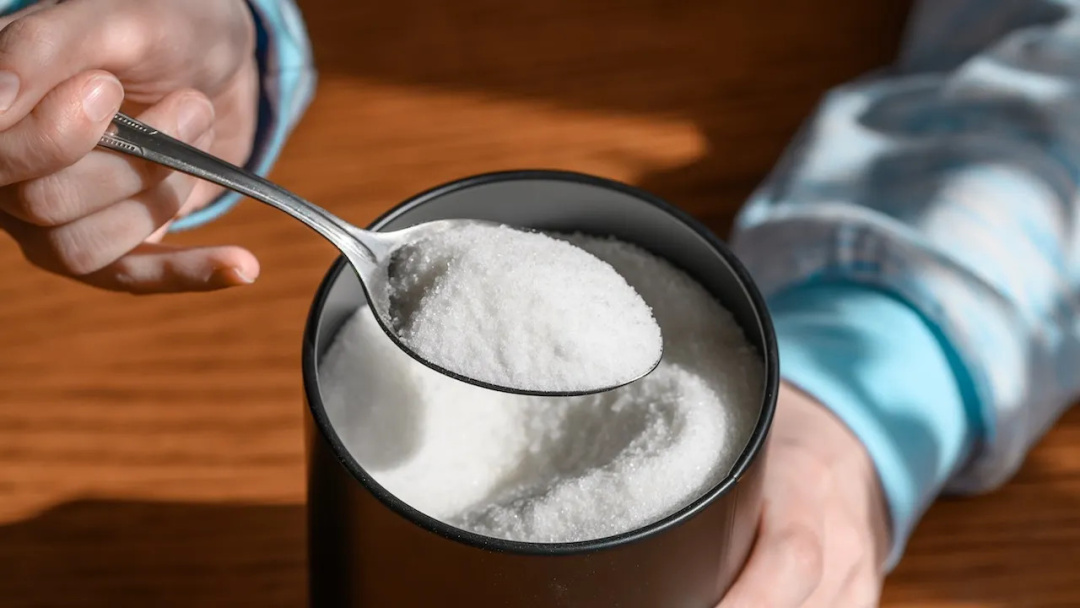
Recent findings presented at the ESC Cardiology Congress in Germany suggest that higher levels of xylitol, a widely used artificial sweetener, may be linked to an increased risk of serious cardiovascular events. The study involved two large cohorts totaling over 17,700 participants from Canada and the UK, revealing significant associations between elevated blood xylitol levels and major adverse cardiovascular events (MACE).
Xylitol is a sugar alcohol often utilized as a low-calorie sweetener in various products, including foods, beverages, and dental care items. According to the research, individuals in the Canadian Longitudinal Study on Aging with the highest xylitol concentrations exhibited a 57% higher risk of death, myocardial infarction, or stroke compared to those with lower levels. Similarly, participants in the European Prospective Investigation into Cancer (EPIC)-Norfolk study showed an 18% increased risk of MACE associated with higher xylitol levels.
The study's findings indicate a dose-dependent relationship, where higher concentrations of xylitol in the blood corresponded with increased rates of cardiovascular incidents. Notably, these associations persisted even after adjusting for other risk factors, including age, gender, body mass index, hypertension, diabetes, and lipid levels.
Dr. Marco Witkowski, who presented the study, emphasized the need for further research, stating that while artificial sweeteners like xylitol are generally regarded as safe, the long-term cardiovascular implications remain unclear. Previous studies have suggested that xylitol may enhance platelet aggregation, potentially contributing to cardiovascular risks.
Dr. Aseem Malhotra, a cardiologist and public health advocate, highlighted the significance of these findings, urging caution regarding the consumption of artificial sweeteners. He noted that many patients report anxiety and palpitations that resolve upon eliminating these products from their diets.
While the observational nature of the study does not establish a direct causal relationship between xylitol and cardiovascular events, it raises important questions about the safety of artificial sweeteners, particularly as their prevalence in food products continues to rise. The researchers call for additional studies to confirm these findings and better understand the implications of xylitol consumption on heart health.