Study Links Ochratoxin A Exposure to Hepatocellular Carcinoma
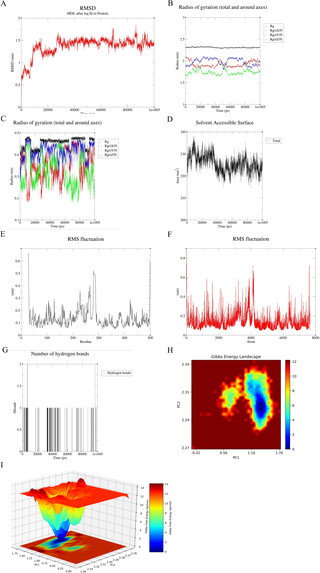
Ochratoxin A (OTA), a mycotoxin commonly found in various food products, has been associated with hepatotoxicity and potential carcinogenic effects. A study published in PLOS One aimed to elucidate the molecular connections between OTA exposure and hepatocellular carcinoma (HCC), the most prevalent form of liver cancer. Despite existing epidemiological evidence suggesting a link, the specific molecular mechanisms remain largely unclear. The researchers employed an integrated computational workflow to identify candidate targets and pathways that may mediate the relationship between OTA and HCC. They gathered OTA-related and HCC-related targets from public databases, intersected them, and conducted functional enrichment analyses. The study analyzed transcriptomic data from the GSE36376 discovery dataset, identifying 443 differentially expressed genes that met the criteria of p < 0.05 and |log2 fold change| > 1. This analysis revealed 13 overlapping target genes between OTA and HCC. Among these, five candidate genes—CYP3A4, KIFC1, AKR1C3, CA2, and TTR—were prioritized for further investigation. Notably, KIFC1 and AKR1C3 were found to be upregulated in HCC samples, while CYP3A4, CA2, and TTR showed downregulation. The study reported that these genes demonstrated significant discriminatory ability within the dataset, with area under the curve (AUC) values ranging from 0.866 to 0.958, indicating their potential as biomarkers. Molecular docking studies predicted favorable interactions between OTA and these target proteins, particularly CYP3A4, which exhibited the lowest docking energy of −10.8 kcal/mol. The research also included molecular dynamics simulations to assess the stability of the OTA-protein complexes over time. Overall, this study provides a framework for understanding the complex interplay between OTA exposure and HCC, emphasizing the need for validation through independent datasets and experimental models to establish the biological relevance of the identified targets and pathways.














