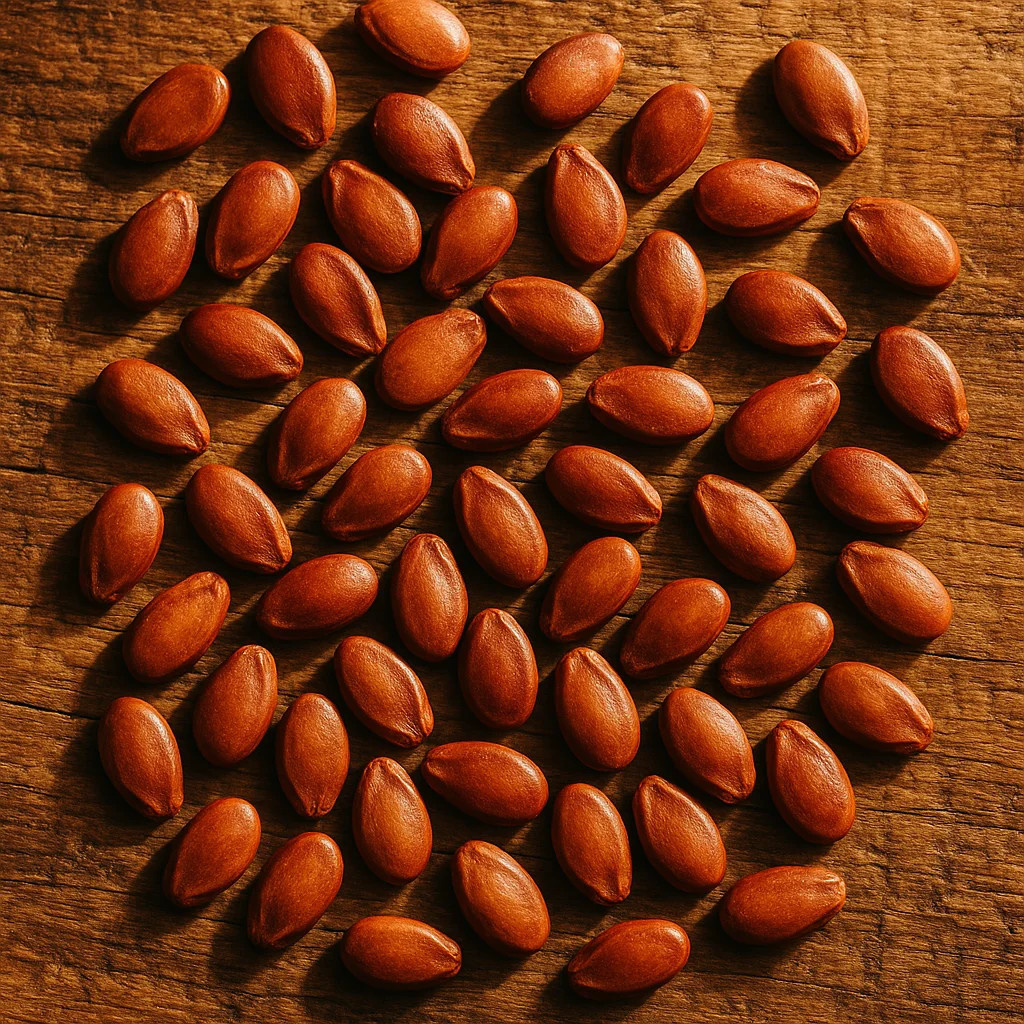
Nutritional Benefits of Pumpkin Seeds: A Versatile Plant Protein Source
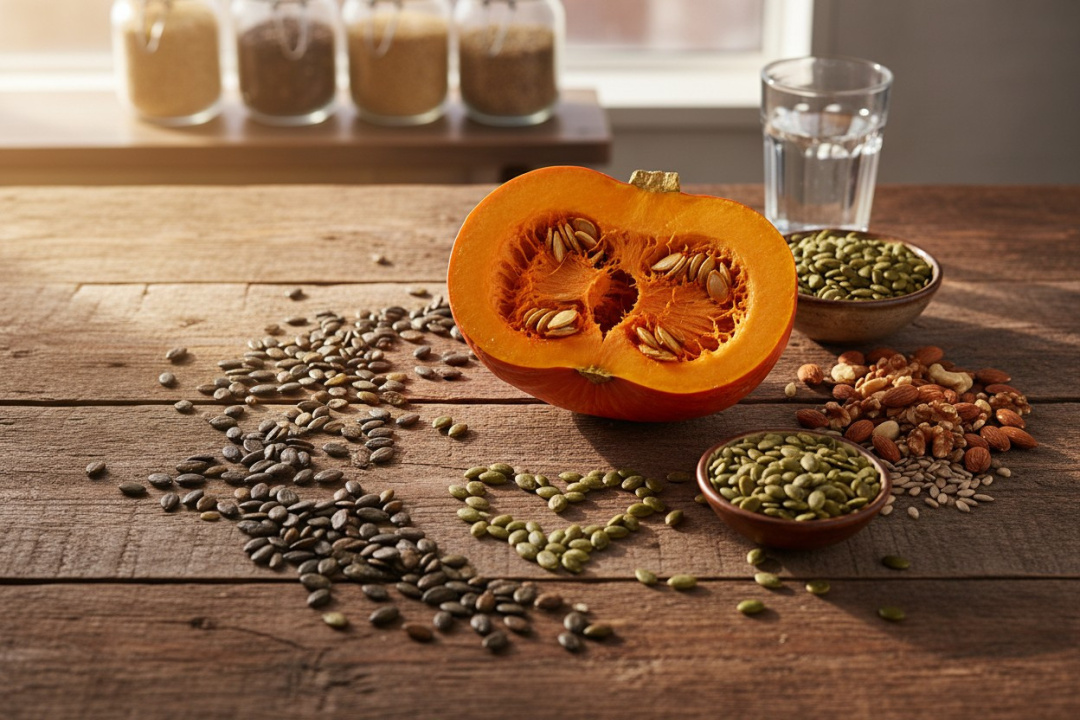
Pumpkin seeds, known scientifically as the edible kernels of Cucurbita pepo, are gaining recognition for their nutritional value, particularly as a plant-based protein source. Each ounce of pumpkin seeds contains approximately 8.5 grams of protein, along with healthy fats, fiber, iron, magnesium, and zinc, according to the USDA National Nutrient Database. This nutrient profile positions pumpkin seeds as a versatile option for those seeking to increase their protein intake without relying on animal products.
Food science research has documented the protein content of pumpkin seeds, with studies indicating that they provide a comparable protein density to other plant sources like peanuts and almonds, while also offering a higher mineral density per serving. A notable analysis of various nuts and seeds ranked pumpkin seeds as nutrient-dense, highlighting their status as whole-food sources rich in protein, healthy fats, and fiber. Nutrition experts emphasize that pumpkin seeds contain all nine essential amino acids, qualifying them as a complete protein, which is particularly beneficial for vegetarians and vegans.
The American Society for Nutrition notes that the biological value of pumpkin proteins is measured at 67, indicating that the body can effectively utilize the protein they provide. This makes pumpkin seeds an excellent option for individuals who may struggle to meet their amino acid requirements through other plant foods alone. Nutritionists recommend incorporating a variety of seeds and nuts into a balanced diet to ensure a broad spectrum of nutrients, with pumpkin seeds specifically noted for their contributions of magnesium, zinc, calcium, and complete protein.
In addition to their protein content, pumpkin seeds are considered hypoallergenic, making them a safe choice for most individuals, unlike some nuts or soy products. They also contain tryptophan, an amino acid that the body converts into serotonin and melatonin, which are important for regulating sleep. Research indicates that the magnesium found in pumpkin seeds may promote relaxation and improve sleep quality.
For heart health, the magnesium in pumpkin seeds helps regulate blood pressure, while zinc supports blood flow, and the unsaturated fats contribute to maintaining healthy cholesterol levels. Studies suggest that pumpkin seeds, along with other seeds such as flax, chia, and sunflower, may offer protective benefits against cardiovascular disease. Nutritionists highlight the potential of pumpkin seeds as dietary support for weight management and overall cardiovascular health.
Pumpkin seeds can be enjoyed in various ways, making them an easy addition to any diet. They can be roasted with salt or spices for a crunchy snack, added to salads, sandwiches, yogurts, oatmeal, or baked goods, or blended into smoothies and granola. The versatility of pumpkin seeds allows for easy incorporation into meals, providing a concentrated source of plant protein, essential minerals, and beneficial fatty acids that can support muscle maintenance, sleep regulation, and heart health.
As with any whole food, pumpkin seeds can be part of a balanced approach to nutrition that prioritizes natural, unprocessed ingredients. Nutritionists recommend that snacks should ideally contain at least 10 grams of protein and 4 grams of fiber to promote satiety, a threshold that pumpkin seeds can help meet when combined with other ingredients. However, it is important to drink plenty of water when increasing fiber intake from seeds. With their numerous health benefits and culinary versatility, pumpkin seeds are a practical option for those looking to enhance their protein intake and overall nutrition.