Exploring Nattokinase: The Japanese Enzyme and Its Role in Wellness

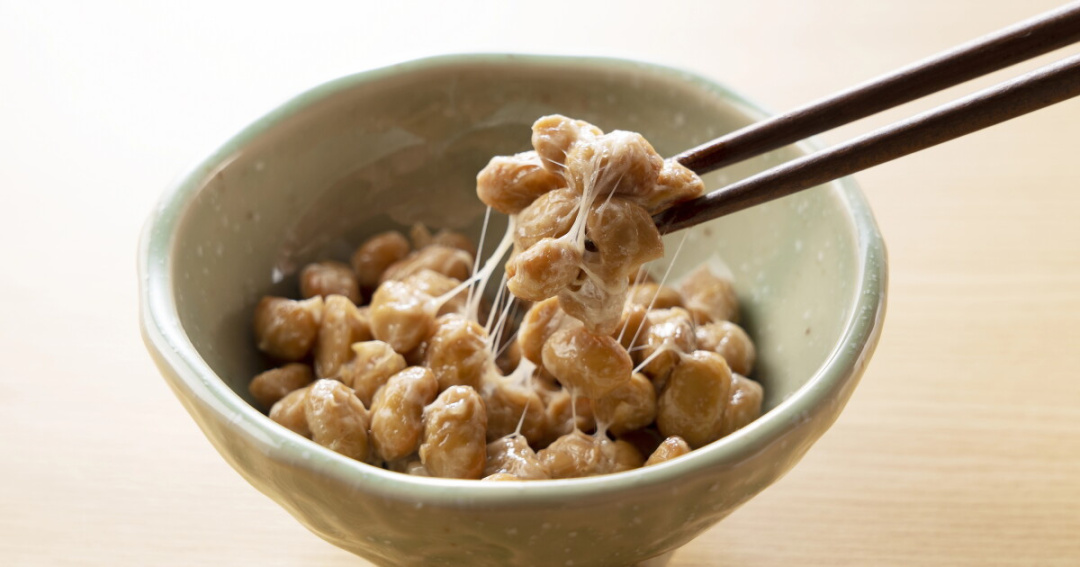
Nattokinase capsules are increasingly popular among those interested in incorporating naturally derived enzymes into their wellness routines. This enzyme is extracted from natto, a traditional Japanese food made by fermenting soybeans with Bacillus subtilis. Natto has a long history in Japan, often served over rice, and is known for its unique sticky texture, umami flavor, and strong aroma. The accidental discovery of natto is attributed to samurai warrior Minamoto no Yoshiie, who is said to have wrapped rice and boiled soybeans in straw, leading to fermentation. Nutritionally, natto is rich in protein, fiber, fat, potassium, and calcium, making it a valuable addition to a balanced diet. According to the USDA, 100 grams of natto contains 19.4 grams of protein, 5.4 grams of fiber, 11 grams of fat, 729 milligrams of potassium, and 217 milligrams of calcium. Additionally, natto is considered a probiotic food, contributing beneficial bacteria to the gut microbiome. One of the standout features of natto is its high vitamin K content, essential for bone health and blood clotting, as noted by the National Institutes of Health (NIH). Nattokinase is primarily recognized for its fibrinolytic activity, which refers to the breakdown of fibrin, a protein that plays a crucial role in blood clot formation. Early animal studies have indicated that nattokinase is significantly more potent than plasmin, the body's natural clot-dissolving enzyme, in breaking down artificially induced clots. This finding has paved the way for ongoing human research into nattokinase's potential health benefits. For individuals looking to add nattokinase to their wellness regimen, capsules provide a convenient alternative to consuming natto directly. Some formulations also include prebiotic fibers like inulin, aligning with the traditional context of natto as part of a fiber-rich diet. Nattokinase is typically measured in fibrinolytic units (FU), with most studies suggesting a daily intake of 2,000 to 4,000 FU, ideally taken on an empty stomach for optimal absorption. Rather than a quick fix, nattokinase is best viewed as a long-term addition to a health routine, with its benefits linked to consistent use. However, it is important to note that nattokinase may not be suitable for everyone. Those taking blood-thinning medications such as warfarin or aspirin should consult a healthcare provider before starting nattokinase, as it may increase bleeding risk. It is also advised to avoid nattokinase prior to surgery and for individuals with soy allergies to carefully check product formulations. Additionally, those taking other supplements should seek professional advice before combining nattokinase with blood-thinning agents like high-dose fish oil or vitamin E. For healthy adults considering nattokinase capsules, it is essential to view this supplement as part of a broader wellness strategy rather than a substitute for a balanced diet. Its connection to nutrient-rich fermented natto and the ongoing research into its fibrinolytic properties make nattokinase a compelling subject in nutritional science.