Study Reveals Lasting Effects of Sucralose and Stevia on Metabolic Health in Mice
Recent research has raised concerns about the long-term effects of non-nutritive sweeteners, specifically sucralose and stevia, on metabolic health. A study conducted on mice suggests that these sweeteners can alter the gut microbiome and gene activity in ways that may influence metabolic processes. The study, led by Dr. Francisca Concha Celume from the Universidad de Chile, highlights that despite the increased consumption of these additives, the rates of obesity and metabolic disorders have not declined, prompting questions about their potential impact on metabolism.
In the study, researchers divided 47 male and female mice into three groups: one group received plain water, while the other two were given water containing either sucralose or stevia. The doses were calibrated to reflect typical dietary consumption. The mice were bred over two generations, with only the original group receiving the sweeteners, allowing researchers to observe the effects across generations.
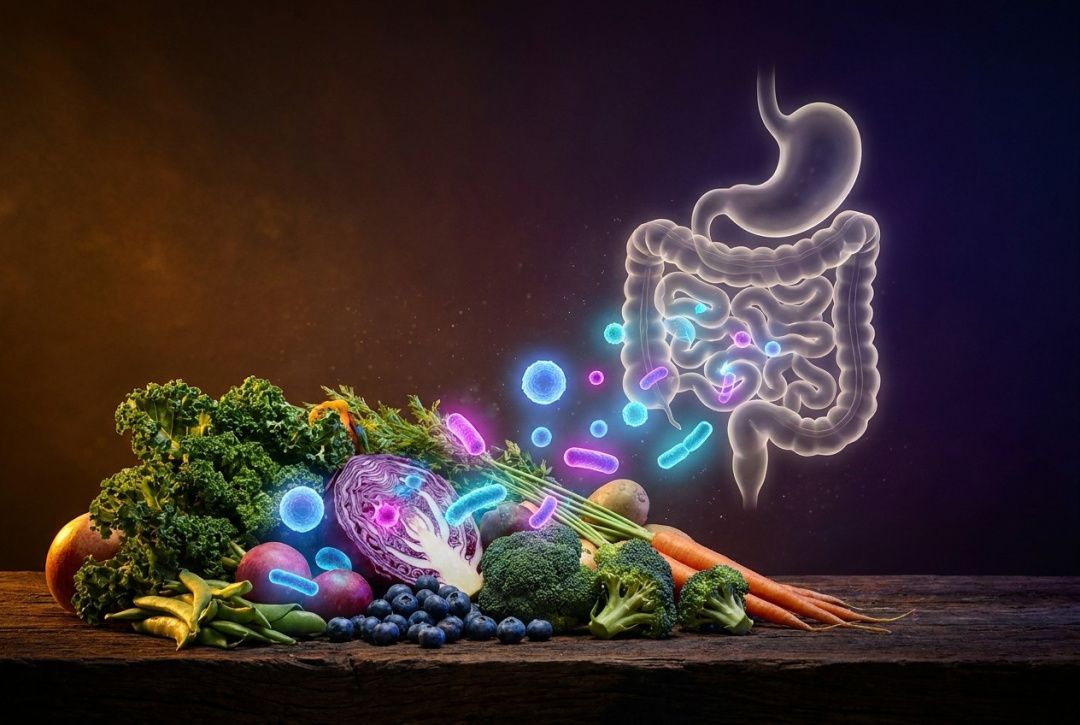
The research team assessed oral glucose tolerance, which is crucial for evaluating how well the body manages glucose and identifying signs of insulin resistance, a precursor to diabetes. They also analyzed fecal samples to monitor changes in the gut microbiome and the production of short-chain fatty acids, which are beneficial compounds produced by gut bacteria that play a role in various biological processes, including gene regulation.
The findings revealed that both sweeteners led to changes in the gut microbiome and reduced levels of short-chain fatty acids, suggesting a disruption in normal gut function. Notably, the effects varied between the two sweeteners and across generations. In the first generation, only male offspring of the sucralose group exhibited signs of impaired glucose tolerance. However, by the second generation, both male and female descendants of the sucralose and stevia groups showed elevated fasting blood sugar levels.
The study indicated that sucralose had a more pronounced and persistent effect on the gut microbiome, resulting in an increase in potentially harmful bacteria and a decrease in beneficial species. Additionally, sucralose appeared to enhance the activity of genes linked to inflammation while suppressing those associated with metabolism. In contrast, the effects of stevia were less consistent and did not persist beyond the first generation.
While these findings provide valuable insights, the researchers caution that the study does not establish a direct causal relationship between sweetener consumption and metabolic health outcomes. The results are derived from animal models, and the biological responses in humans may differ. The researchers emphasize the need for further investigation into the long-term effects of these sweeteners on human health, suggesting that moderation in their consumption may be prudent until more definitive conclusions can be drawn.