Spring Dietary Practices in Traditional Chinese Medicine to Enhance Energy and Immunity
According to Shu Rong, director of Doctor Rong TCM Clinic in the UK, the body's vitality resembles young sprouts that require nurturing in spring to thrive. During this season, it is crucial to cultivate yang energy, which is essential for maintaining health year-round. Traditional Chinese Medicine (TCM) posits that the body and universe are governed by two forces: yin, representing coolness and stillness, and yang, symbolizing light, warmth, and vitality. Spring is the time when yang energy flourishes, manifesting as 'wei-defensive qi,' the body's immune shield.
Diet plays a pivotal role in supporting this yang energy. Shu outlines three core principles of spring dietary practices: warming, circulating, and clearing. The first principle, 'warming,' focuses on maintaining a comfortably warm digestive system. In TCM, the spleen and gastrointestinal system are interconnected, with 'spleen yang' likened to a fire that 'cooks' food. Cold drinks and foods can weaken this digestive fire, leading to malnutrition symptoms despite adequate nutrient intake. To support digestion, it is recommended to start the day with a warm beverage, consume primarily cooked foods, and limit cold drinks.
The second principle, 'circulating,' emphasizes promoting smooth energy flow through the inclusion of aromatic, pungent vegetables in the diet. Traditionally, the 'Five Pungent Vegetables'—scallions, ginger, garlic, Chinese chives, and cilantro—are consumed in early spring to enhance circulation. A 2024 review highlighted the antioxidant and anti-inflammatory properties of ginger, aligning with TCM's view of supporting qi flow.
The third principle, 'clearing,' advocates for a light diet that minimizes metabolic strain. Foods that are overly sweet, greasy, or processed can lead to dampness and phlegm accumulation, which TCM associates with various health issues. To alleviate feelings of heaviness, it is advised to increase the intake of fresh vegetables, whole grains, and to drink more water or unsweetened tea while reducing fried foods and sugary beverages.
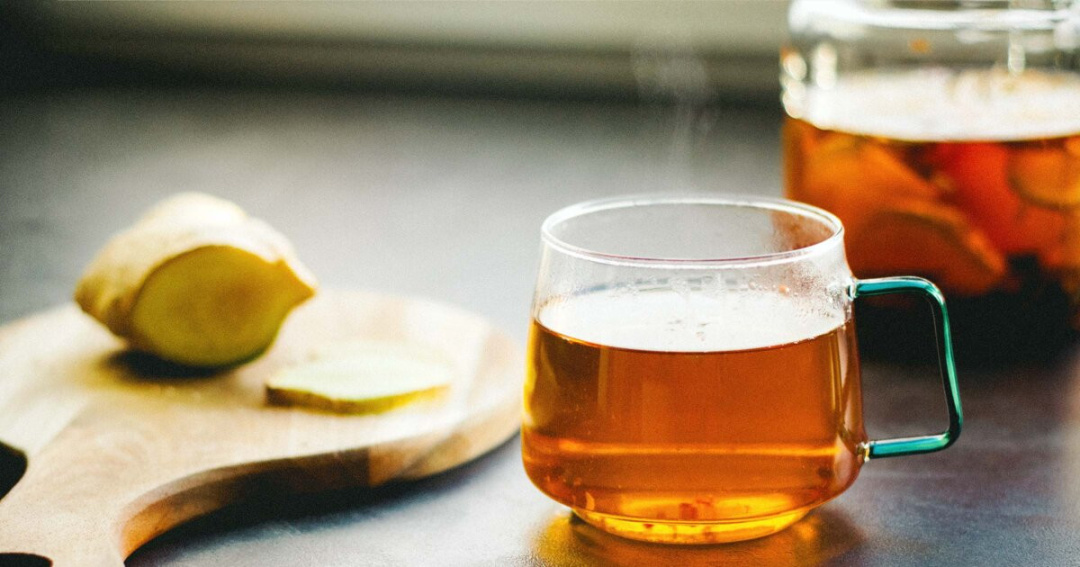
In addition to these dietary principles, Shu recommends 'yang-boosting teas' centered around ginger, which is known for its warming properties. A simple ginger tea can stimulate circulation and support digestion. For those with cold sensitivities or digestive issues, variations of ginger tea with red dates and honey can provide additional benefits. However, caution is advised against consuming excessive amounts of warming teas in the evening, as they may disrupt sleep.
Shu also emphasizes the importance of aligning daily routines with natural rhythms, such as maintaining consistent sleep schedules and engaging in moderate morning exercise to support yang energy. Overall, these practices are designed to enhance vitality and immunity during the spring season, reflecting the holistic approach of TCM.