Urolithin A from Pomegranates Shows Promise in Reducing Heart Failure Symptoms in Mice
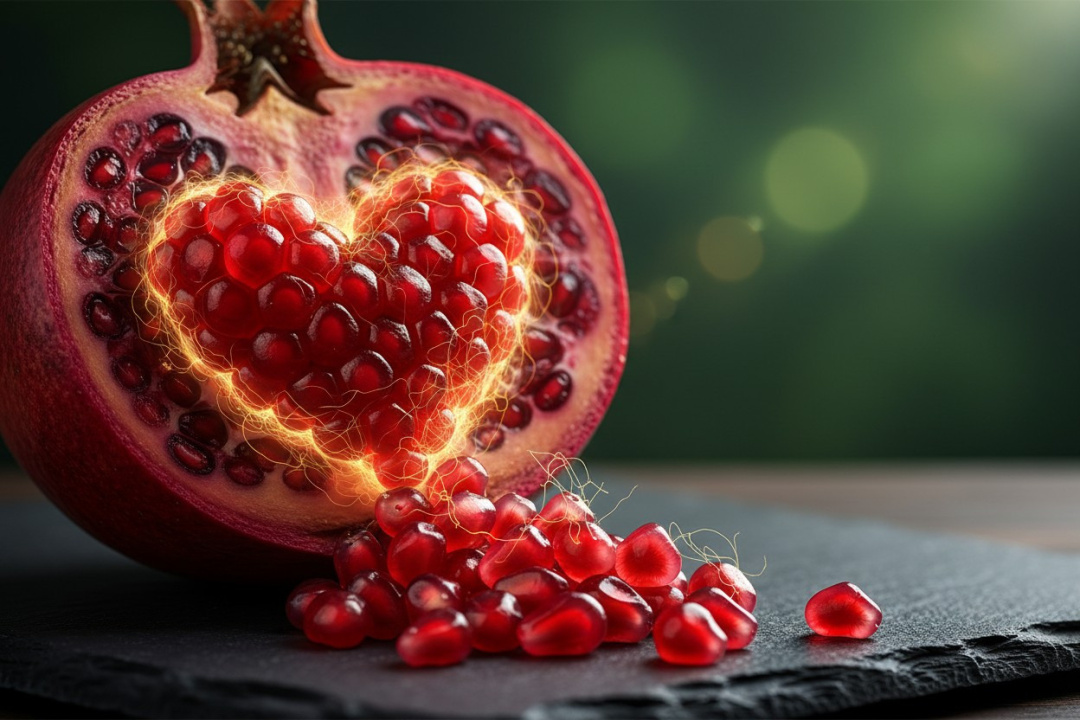
A study published on August 19, 2026, in Science Advances has found that urolithin A, a compound associated with pomegranate consumption, can reduce signs of heart failure with preserved ejection fraction (HFpEF) in mice. HFpEF is a condition where the heart can contract normally but struggles to relax adequately to fill with blood, leading to symptoms such as breathlessness and fatigue, particularly during physical exertion. This condition accounts for nearly half of all heart failure diagnoses, making effective treatments crucial.
The research team discovered that urolithin A activates the protein PKGI? by binding to a specific site known as cysteine 42 (C42). This mechanism is distinct from the nitric oxide-dependent pathways that most existing heart failure medications target. Previous treatments focusing on nitric oxide have not succeeded in large clinical trials, prompting the need for alternative approaches. By targeting PKGI? through a different chemical modification, the study aims to address the underlying issues in HFpEF.
In their experiments, the researchers administered urolithin A orally to mice in a multihit model that simulated conditions leading to high blood pressure, including kidney surgery and a high-fat diet. The results showed that the treated mice exhibited improved ultrasound measures of heart relaxation, increased physical endurance, and reduced heart weight, alongside smaller heart muscle cells and less fibrosis. Notably, the benefits were diminished in mice genetically modified to disable the C42 site, suggesting its critical role in the compound's efficacy.
Additionally, in engineered human heart tissue derived from a stem cell line, urolithin A was found to shorten contraction and relaxation times without causing irregular heartbeats. Earlier studies had also noted that urolithin A could enhance running endurance in aged mice.
However, the authors of the study caution that their findings are still in the preclinical stage and have not yet been tested in human subjects. They emphasize the need for clinical trials to determine the potential applicability of urolithin A as a treatment for heart failure. Furthermore, they note that the study's use of only male mice and a single donor stem cell line for human tissue experiments may limit the generalizability of the findings. As such, while the research adds valuable insight into a new cardiac effect of urolithin A, translating these results to human patients will require further investigation.
The study was funded by the British Heart Foundation, the Medical Research Council of the UK, and a China Scholarship Council grant, with the authors declaring no competing interests. Some nutrition experts have recommended whole-food dietary patterns over isolated supplements for supporting blood pressure health, highlighting the ongoing debate in the field of nutrition science regarding the best approaches to heart health.