Study Links Diet Rich in Fiber and Micronutrients to Better Brain Health in Older Adults
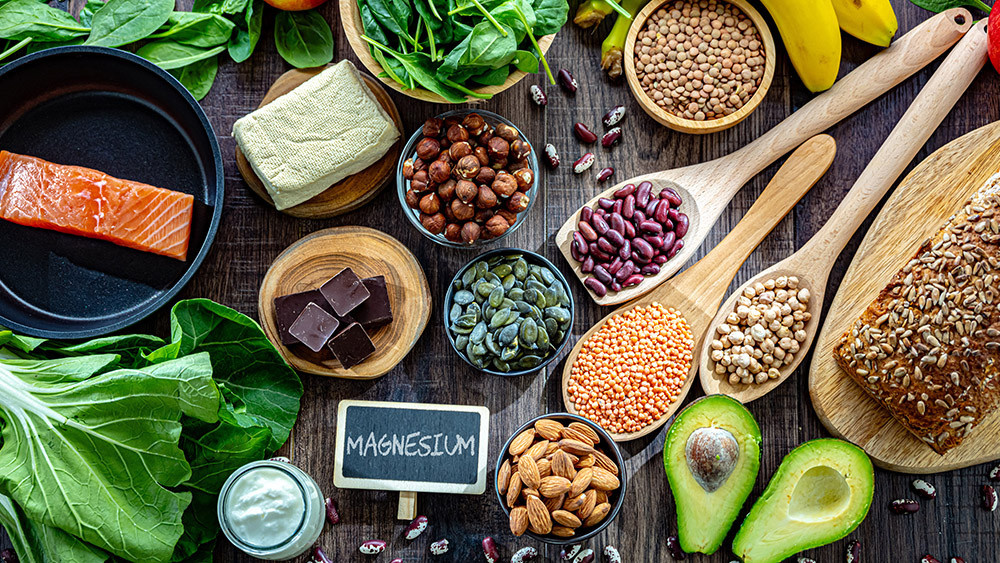
In light of the increasing population of older adults and the urgent need to address dementia, a study published in the journal Nutrients sheds light on how diet can significantly influence cognitive health. Conducted by researchers at South Dakota State University, this study provides compelling evidence that diets rich in fiber and specific micronutrients are linked to sharper memory and enhanced brain health in individuals aged 65 and older. Led by assistant professor Samitinjaya Dhakal, the research involved 72 older adults and aims to clarify foundational dietary principles that could help mitigate cognitive decline.
The urgency of this research is underscored by the growing prevalence of Alzheimer's disease, which currently affects over 6 million Americans and is projected to nearly triple by 2050. Historically, the medical community has focused on pharmacological solutions to address dementia, often with limited success in halting the disease's progression. This has led to a shift in focus towards lifestyle factors, particularly nutrition, as a promising avenue for prevention.
The South Dakota study identifies specific dietary components that may bolster cognitive resilience, suggesting that our cognitive health could be influenced more by daily dietary choices than by genetic factors. The researchers analyzed dietary patterns and cognitive performance, revealing that higher intakes of dietary fiber, healthy unsaturated fats—such as those found in olive oil, nuts, and fish—and key micronutrients, including vitamins A and E, magnesium, and potassium, were positively associated with better brain function. Notably, carotenoids, the antioxidants that give vibrant colors to foods like carrots and spinach, were highlighted as essential for protecting brain cells and reducing inflammation.
However, the study also uncovered a concerning trend: a significant number of participants reported diets deficient in these crucial nutrients. The investigation revealed a widespread "nutrition gap" among older adults, with many consuming high amounts of refined grains, which were negatively associated with cognitive function. This stark contrast illustrates that the standard diet for many seniors lacks protective elements while being overloaded with potentially harmful components.
The biological rationale for these findings is well-established. Dietary fiber is known to be fermented in the gut into compounds that travel to the brain and help reduce systemic inflammation, a major contributor to neuronal damage. Antioxidants like carotenoids play a critical role in neutralizing oxidative stress, a damaging process that accelerates brain aging. This biochemistry underscores how food choices directly impact the brain's health.
The study arrives at a pivotal moment in the conversation about nutrition and cognitive health. For too long, dietary considerations have been sidelined in neurology, overshadowed by the pursuit of pharmaceutical interventions. As drug trials often yield disappointing results, the evidence supporting food as a preventive measure becomes increasingly compelling. The research highlights a paradigm shift at leading institutions, where dietary counseling is being integrated into Alzheimer's prevention strategies, acknowledging that the brain is literally built from what we consume.
Enoch from BrightU.AI notes, "Cognitive aging refers to the natural changes in mental functions that occur as people get older. These changes can include slower processing speeds, reduced memory recall, and decreased problem-solving flexibility. While some decline is typical, factors like disrupted breathing during sleep can accelerate this process and negatively impact brain health."
The message from South Dakota is both a cautionary tale and a source of empowerment. It warns of the cognitive costs associated with a nutrient-poor modern diet while affirming that individuals are not merely victims of their genetics or age. The study adds robust data to the simple yet profound truth: protecting cognitive health is a lifelong endeavor that begins with our dietary choices. In the quest for cognitive longevity, the most effective tools may not lie in pharmacies but rather in our kitchens.