Study Finds Omega-3 and Low-Dose Aspirin Comparable to Antibiotics for Severe Gum Disease
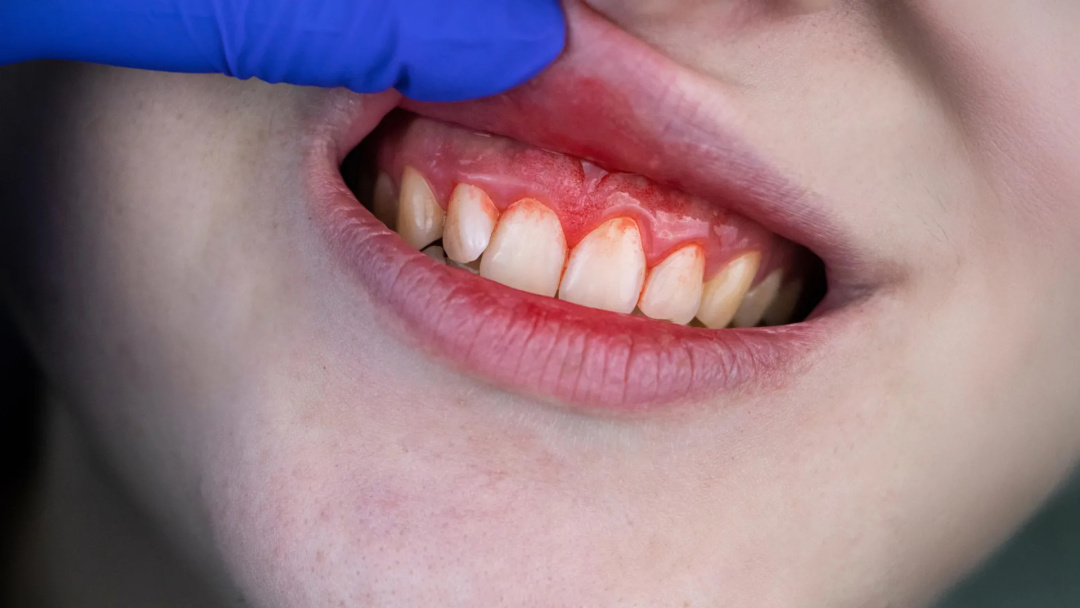
A recent clinical study has shown that a combination of omega-3 and low-dose acetylsalicylic acid (ASA) can be as effective as antibiotics in treating severe periodontitis, a chronic inflammatory disease affecting the gums. Conducted by researchers from institutions including Albert Einstein Israelite Hospital and Harvard University, the study involved 109 participants over a year, with results published in the Journal of Periodontology. The findings suggest a promising alternative treatment that could help mitigate the growing issue of antibiotic resistance.
Periodontitis is characterized by the accumulation of bacteria below the gumline, leading to tissue damage and potential tooth loss. In this study, participants were divided into four groups, all receiving standard subgingival instrumentation, a procedure aimed at removing bacterial deposits. The additional treatments varied: one group received a placebo, another antibiotics (metronidazole and amoxicillin), a third received omega-3 and ASA, and the fourth received both antibiotics and the supplements.
After one year, 58% of those treated with antibiotics met the clinical target of having no more than four remaining deep periodontal pockets, while the omega-3 and ASA group achieved a similar success rate of 57.7%. In contrast, only 23.1% of the placebo group reached this goal. Interestingly, combining antibiotics with omega-3 and ASA did not yield any additional benefits compared to either treatment alone.
The study's lead author, Nídia Cristina Castro dos Santos, emphasized the importance of evaluating antibiotic use on a case-by-case basis due to the risks of bacterial resistance. Previous research has indicated that omega-3 may help reduce inflammation associated with periodontal disease, and this study builds on that foundation. The researchers noted that omega-3 works differently from conventional anti-inflammatory medications, as it aids in producing molecules that help resolve inflammation and promote tissue repair.
The results also highlighted the persistence of benefits from omega-3 and ASA, with participants showing continued improvement even six months after treatment ended. This raises the possibility that these supplements could help the body manage inflammation more effectively over time.
While the findings are promising, researchers caution against viewing omega-3 and ASA as a routine replacement for antibiotics in severe periodontitis. Further studies are necessary to confirm these results in broader populations and to determine which patients might benefit most from this alternative treatment. The researchers are also investigating the microbiological impacts of these treatments on the bacteria involved in periodontal disease.
In conclusion, this study presents a significant step forward in exploring alternatives to antibiotics for treating severe gum disease, potentially offering a new avenue for patients who cannot tolerate traditional antibiotic therapies. However, the need for additional research remains critical to validate these findings and ensure safe application in clinical practice.