Quercetin in Apples and Onions Linked to Reduced Frailty Risk in Aging Adults
In a shift from merely extending lifespan to enhancing the quality of life, new research suggests that quercetin, a naturally occurring compound found in common foods like apples and onions, may play a crucial role in preventing frailty among aging adults. This debilitating condition, characterized by exhaustion, weakness, and unintended weight loss, affects approximately 44% of individuals over 65, posing significant risks to their independence and overall health. The findings stem from an analysis of decades of data collected by the Framingham Heart Study, which has provided invaluable insights into cardiovascular health and aging since its inception in 1948.
Researchers from the Hinda and Arthur Marcus Institute for Aging Research at Harvard Medical School examined data from 1,701 participants, averaging 58 years of age, to explore the relationship between dietary flavonoids and the onset of frailty. Flavonoids are plant-based nutrients known for their vibrant colors and health benefits, acting as antioxidants and anti-inflammatory agents in the body. Previous studies have linked high flavonoid intake to reduced risks of heart disease, but this research expands the focus to frailty prevention.
The study, published in The American Journal of Clinical Nutrition, revealed that while overall high flavonoid intake was associated with a modest decrease in frailty risk, the flavonol subtype, particularly quercetin, showed a more pronounced effect. Specifically, for every additional 10 milligrams of quercetin consumed daily, the risk of developing frailty decreased by 35%. This finding underscores quercetin's potential as a powerful dietary component for enhancing resilience in aging.
Quercetin's effectiveness lies in its dual role as a strong antioxidant and its ability to improve vascular health. It is believed to be more effective than vitamin E in neutralizing free radicals, thereby reducing oxidative stress, a significant contributor to muscle wasting and weakness associated with frailty. Additionally, quercetin may enhance blood flow by acting as a 'nonstick coating' in blood vessels, preventing platelet aggregation and ensuring adequate oxygen and nutrient delivery to muscles.
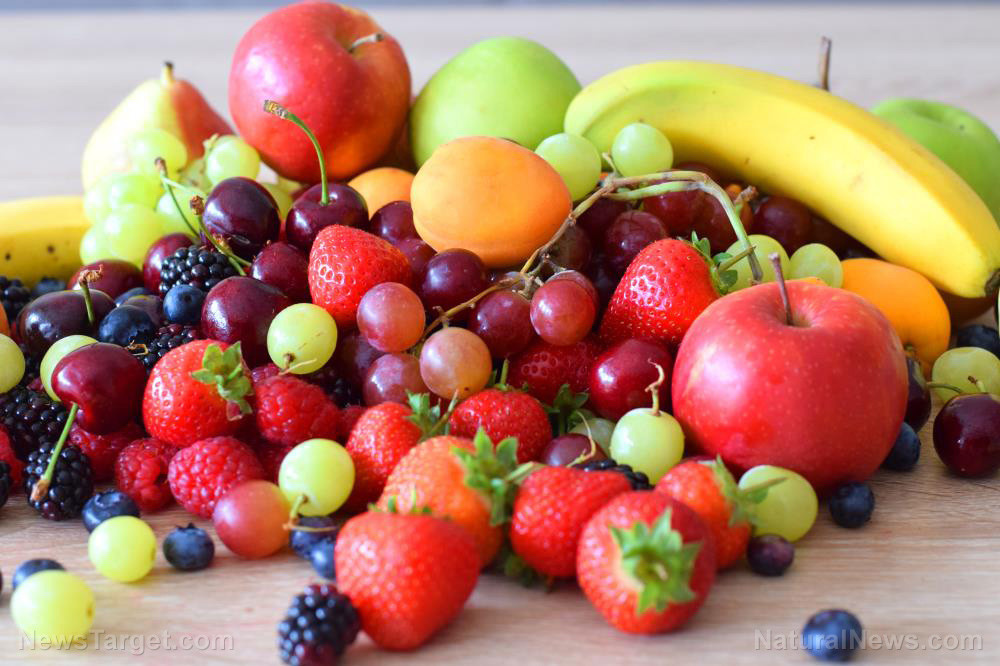
Incorporating quercetin-rich foods into the diet is straightforward. A medium apple provides about 10 milligrams of quercetin, the amount linked to a notable reduction in frailty risk. Other foods high in quercetin include red onions, capers, kale, broccoli, cherries, dark berries, grapes, and citrus fruits. Even beverages like tea and red wine contain quercetin, although moderation is advised for alcohol consumption.
This research marks a significant paradigm shift in public health, focusing not just on longevity but on enhancing the health span—the period of life spent in good health. As scientists continue to unravel the complexities of diet and aging, the evidence increasingly supports the idea that a colorful diet rich in flavonoids, particularly quercetin, is essential for maintaining strength, vitality, and independence as we age. The findings highlight the importance of nutrition as a foundational element in promoting robust health throughout the aging process.