Chemophobia's Growing Influence on Food Choices and Health Perceptions
Chemophobia, defined as a fear or distrust of chemicals, is becoming more prevalent in American households, affecting how individuals perceive food and health products. This fear manifests in various ways, from the preference for organic produce to the rejection of vaccines and medications deemed 'unnatural.' The phenomenon is not confined to one political ideology; rather, it resonates with both conservative and liberal groups, albeit in different forms. According to Andrea Love, an immunologist and founder of Immunologic, the initial wave of chemophobia originated from the left, where it was associated with counter-culture movements and a skepticism of industrial practices. However, this fear has now shifted significantly towards the right, with prominent figures like wellness influencer Casey Means and Robert F. Kennedy Jr. amplifying these sentiments. Love notes that the left's concerns often focus on toxic exposures and the 'organic purity' narrative, while the right tends to demonize regulated medicines in favor of unregulated natural alternatives.
The crux of chemophobia lies in the misconception that synthetic substances are inherently harmful while natural ones are safe. Love explains that this belief is fundamentally flawed; the body does not differentiate between synthetic and natural chemicals. What matters is the chemical structure and dosage, not the origin. This misunderstanding is evident in the current trend of favoring 'all-natural' products over scientifically studied alternatives, such as seed oils.
The appeal to nature fallacy, which posits that natural substances are superior, underpins much of the chemophobia narrative. This belief is not only scientifically unfounded but also detrimental to public health. For instance, the fear surrounding fructose has led some individuals to eliminate fruits from their diets, mistakenly believing they are harmful. This kind of misinformation can have serious nutritional consequences, particularly for children, who may develop unhealthy relationships with food as a result.
The chaotic information environment of social media exacerbates these fears, making it challenging for individuals to discern fact from fiction. As Timothy Caulfield, co-founder of ScienceUpFirst, points out, people are drawn to oversimplified messages that categorize foods as 'good' or 'bad,' often relying on buzzwords like 'toxin-free' or 'clean' to guide their choices. This oversimplification can lead to misguided dietary practices that overlook the complexities of nutrition and health.
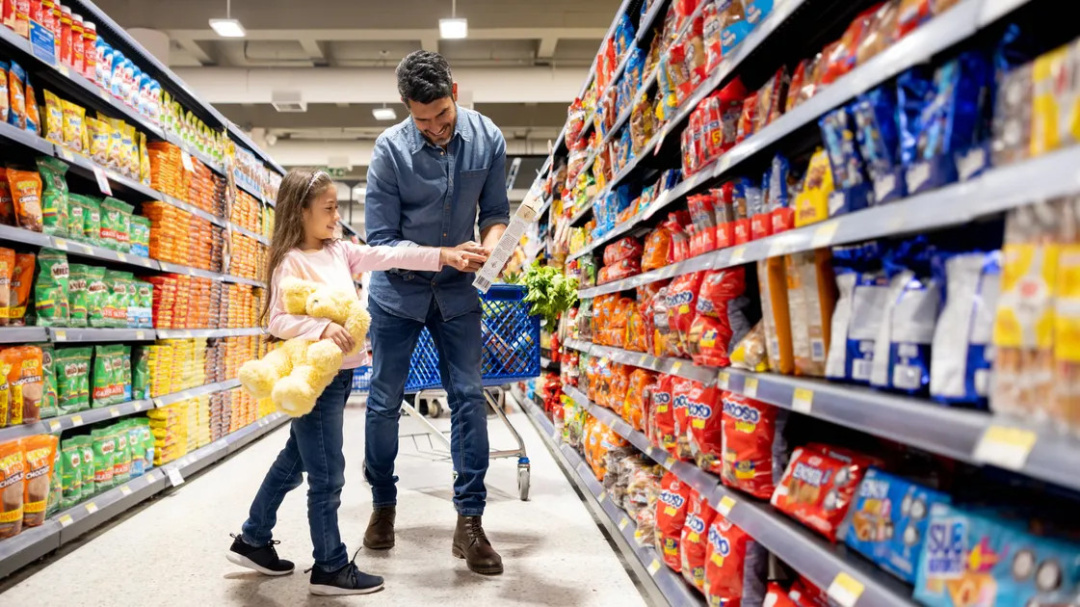
Moreover, chemophobia has been co-opted by marketing strategies, as brands leverage consumers' fears to sell products labeled as 'chemical-free,' despite the impossibility of such claims. This trend not only misleads consumers but also creates a false dichotomy between perceived safe and dangerous products.
Experts argue that addressing chemophobia requires a nuanced understanding of the science behind food and health. Caulfield emphasizes the importance of evidence-based regulation rather than succumbing to fear-driven marketing. He advocates for a focus on broader public health issues, such as equity and access to healthcare, rather than fixating on individual ingredients or products.
Ultimately, chemophobia poses significant risks to public health, as it can lead to the rejection of necessary medical interventions and the promotion of unregulated alternatives. As Love warns, this irrational fear could have long-term consequences that we may not fully realize for years to come. The conversation around chemophobia is complex and multifaceted, necessitating careful consideration and informed dialogue to combat misinformation and promote healthier choices.