Dietary Factors Linked to Endometriosis Management Identified in New Review
Endometriosis is a condition characterized by the growth of tissue similar to the uterine lining outside the uterus, affecting the ovaries, fallopian tubes, and pelvic cavity. This condition is driven by estrogen and sustained by inflammation, leading to symptoms such as pelvic pain, bloating, fatigue, and discomfort during intercourse. A definitive diagnosis typically requires a biopsy via laparoscopy, as symptoms can overlap with other conditions, often delaying diagnosis for years.
A recent review published in the journal Frontiers in Nutrition analyzed 29 studies to explore dietary factors associated with endometriosis management. The authors noted that while some findings stem from human studies, others are based on animal or laboratory research, which, although promising, remains preliminary.
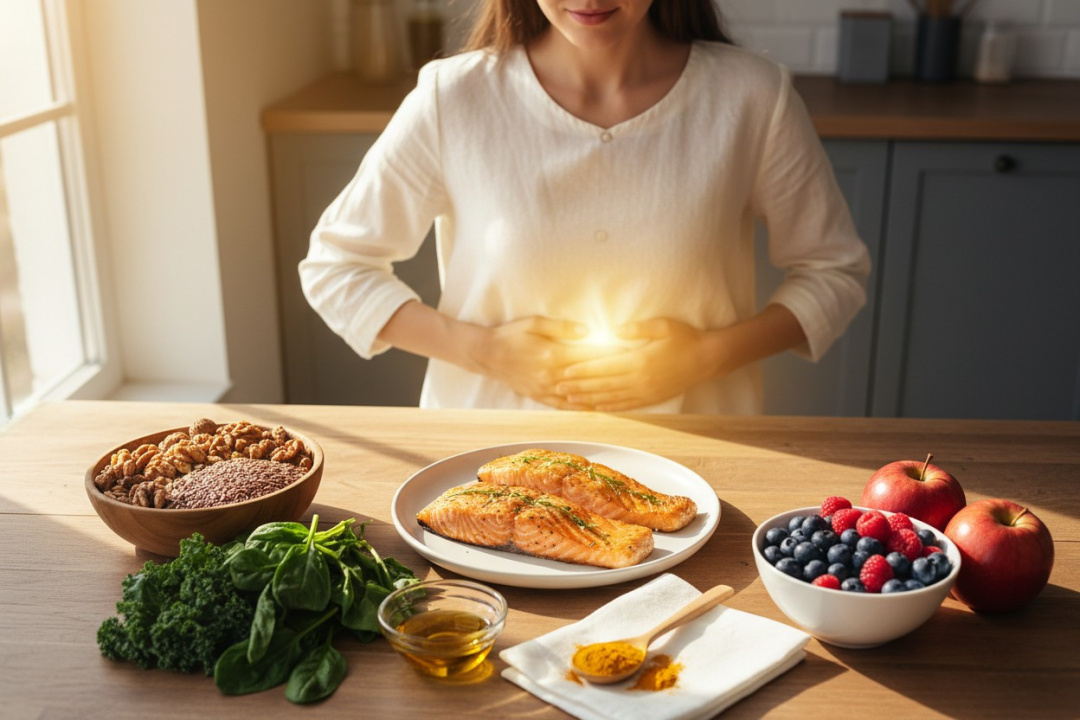
The review highlighted omega-3 fatty acids found in fatty fish, walnuts, and flaxseed as having the most consistent evidence supporting their role in reducing inflammation and pain. Observational studies indicated that higher intake of these fats correlates with less severe symptoms. Conversely, the review pointed out that saturated and trans fats are detrimental to endometriosis, while long-chain unsaturated fats are beneficial.
Additionally, foods rich in polyphenols, such as fruits, vegetables, and herbs, were found to lower inflammation by blocking chemical messengers that promote it. Specific compounds like quercetin (found in apples, onions, and berries), apigenin (in parsley and celery), and curcumin (in turmeric) were noted for their potential benefits.
Essential vitamins and minerals, including vitamins A, C, D, and E, along with magnesium, selenium, and zinc, were also discussed for their roles in protecting against cell damage and maintaining immune balance, both crucial in managing endometriosis. Notably, vitamin D has been linked to modest reductions in pelvic pain in small randomized trials, while vitamin C supports adrenal function and reproductive health.
The review also addressed dietary patterns, suggesting that red and processed meats are associated with higher inflammatory markers and increased endometriosis risk. Research indicated that women consuming meat daily were twice as likely to develop endometriosis compared to those who consumed less red meat and more fruits and vegetables.
The authors advised reducing the intake of trans fats, refined carbohydrates, added sugars, and excess omega-6 fatty acids, as these were linked to increased inflammation. They emphasized that the goal should be to adopt an overall anti-inflammatory dietary pattern rather than completely eliminating certain foods.
Recommendations included increasing consumption of fatty fish, colorful produce, turmeric, olive oil, walnuts, and flaxseed, while reducing ultra-processed foods, which are linked to rising gastrointestinal disease rates.
Importantly, the authors noted that while dietary changes can be a supportive tool for managing endometriosis symptoms, they should not replace medical care. Some patients have reported symptom relief through dietary modifications and natural therapies. Furthermore, the review recognized the connection between endometriosis and gut health, suggesting that a compromised intestinal barrier may contribute to chronic inflammation exacerbating symptoms.
The review concluded that no single food can alter the course of endometriosis, and dietary changes should complement medical treatment. The evidence suggests a beneficial pattern of consuming more fatty fish, fruits, vegetables, and herbs while reducing red meat, trans fats, and refined carbohydrates. For individuals facing a long wait for a diagnosis, these dietary adjustments may offer a rare sense of control over their condition.