Calf Muscles: The Body's 'Second Heart' and Their Role in Circulation
Every step you take, every flex of your ankle, or rise onto your toes activates a remarkable mechanism located below your knees. The calf muscles, which contract during these movements, help propel blood upward toward the heart, performing a vital role in circulation. This mechanism is so crucial that the calves are often metaphorically described as the body's 'second heart'. While they cannot replace the heart that beats in your chest, they assist with one of the circulatory system's most challenging tasks: returning blood from the legs against the force of gravity.
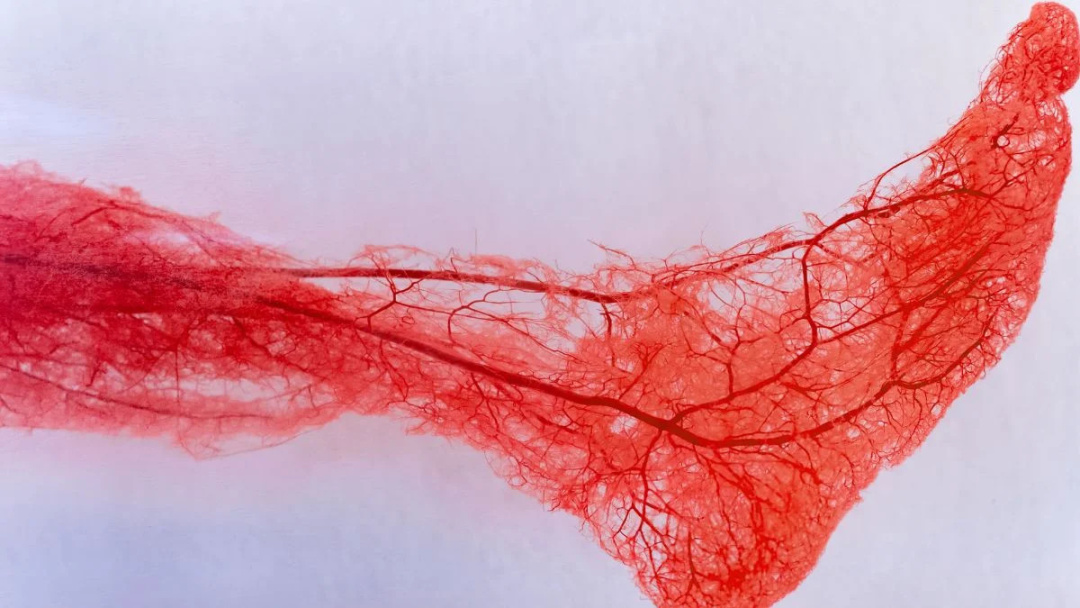
The heart pumps oxygen-rich blood throughout the body via arteries. Once this blood reaches the legs, it must return through veins, which operate under much lower pressure. Unlike the heart, veins do not possess the ability to generate a strong pumping force, which is where the calf muscle pump becomes essential.
When you engage in activities such as walking, running, or lifting your heels, the muscles in the back of your lower legs contract. This contraction compresses the nearby veins, pushing the blood within them upward. One-way valves in the veins prevent the blood from flowing back toward the feet between these contractions, allowing each movement to propel the blood closer to the heart.
A properly functioning calf pump is crucial for preventing blood from pooling in the legs. When it fails to work effectively, individuals may experience symptoms such as swollen ankles, aching legs, or a feeling of heaviness. Furthermore, poor calf pump function can contribute to long-term vein issues.
Research has indicated that impaired calf pump function may be indicative of broader health concerns. A 2020 study involving 2,728 adults at the Mayo Clinic found that those with impaired calf pump function had a significantly higher mortality rate over the following years. Specifically, after a decade, around 6 percent of individuals with normal pump function had died, compared to approximately 18 percent of those with impaired function. However, this does not imply that weak calf muscles directly cause these deaths; rather, impaired function may signal physical inactivity, muscle loss, joint issues, or other health problems.
A subsequent study from the Mayo Clinic, published in 2024, reinforced these findings. Researchers analyzed nearly 6,000 patients and discovered that the amount of blood expelled by the calf pump during movement correlated with mortality risk. Those with the weakest pump function faced more than double the risk of death compared to individuals with effective calf movement.
It is important to note that these studies are observational and do not establish a direct causal relationship between calf exercise and longevity. Nevertheless, engaging in activities that activate the calf muscles is beneficial. Simple actions like walking can contract the calf muscles and assist in blood flow. For those who spend long hours at a desk, it is advisable to stand and move around at least once every hour. If standing is not feasible, moving the ankles up and down or lifting the heels while keeping the toes on the floor can engage the calf muscles.
Remaining stationary for extended periods is not ideal, as the muscles do not effectively squeeze the veins without movement. Taking a few steps, marching in place, or performing heel raises can help keep the calf pump active. Regular exercise is also essential for preserving calf strength as one ages. The World Health Organization suggests at least 150 minutes of moderate-intensity physical activity weekly, along with muscle-strengthening activities on two or more days.
It is crucial to recognize that persistent swelling or sudden pain, redness, or warmth in one leg should not be dismissed as mere consequences of inactivity; these symptoms may indicate a blood clot and warrant medical attention.
Calf movement may also provide benefits beyond circulation. A small study in 2022 examined a seated movement that activates the soleus, a deep calf muscle capable of sustained contractions. This movement, known as the 'soleus push-up', involves keeping the front of each foot on the ground while repeatedly lifting and lowering the heels. The findings suggested that sustained contractions could enhance energy use and improve the body's ability to process glucose and fats post-meal.
However, both studies were small and involved extended periods of movement, not just a few repetitions. A handful of heel raises under a desk cannot substitute for walking, comprehensive exercise, or necessary medical treatment. Nonetheless, these findings underscore the importance of avoiding prolonged periods of immobility. While calves may not literally contain another heart, their contractions provide invaluable support to the heart's function.