UC San Diego Engineers Develop Smart Ring for Continuous Biomarker Monitoring
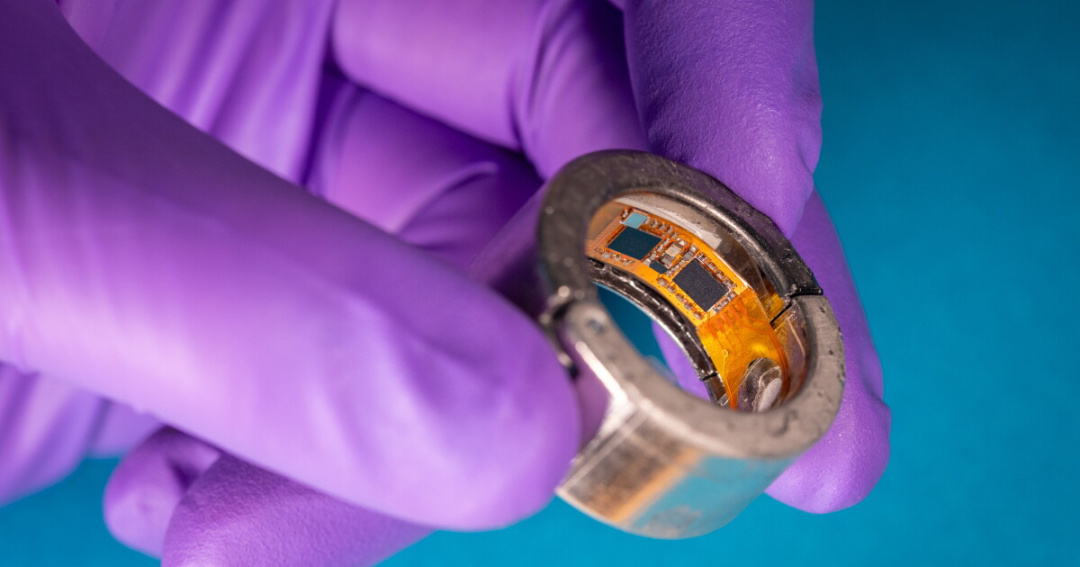
Engineers at the University of California at San Diego have developed a groundbreaking smart ring capable of continuously measuring various biomarkers, including glucose, ketones, alcohol, lactate, Vitamin C, and uric acid. This device utilizes osmosis to gather data from perspiration and transmits it to a smartphone app, offering a new level of personal health monitoring. In their research published in Nature Communications, co-first authors Tamoghna Saha, Shichao Ding, and Siyu Qin, under the guidance of Professor Joseph Wang, highlight the ring's ability to monitor multiple chemical biomarkers in real time, marking a significant advancement over existing commercial smart rings that primarily focus on biophysical signals. According to Saha, the new smart ring provides molecular information about biochemical markers, which can yield deeper insights into an individual's health status. Unlike traditional methods that require physical exertion to induce sweating, this smart ring's osmotic hydrogel sampling method allows for continuous monitoring without the need for users to engage in strenuous activities. This feature is particularly advantageous for individuals in sedentary jobs or those unable to sweat adequately. Professor Wang emphasizes the utility of capturing dynamic molecular information in real time, which can aid in making informed decisions regarding health, diet, and lifestyle. For instance, the ring's capability to track both glucose and ketones simultaneously could enhance insulin dosing management for diabetes patients. In trials, the smart ring demonstrated comparable performance to conventional continuous glucose monitors (CGMs) and ketone-tracking blood meters, fulfilling essential requirements for wearable medical devices: convenience and discretion. The ring offers 12-hour monitoring and calibrates to the user's specific biomedical factors, ensuring personalized and accurate assessments of biomarker trends. The importance of discreet medical monitoring cannot be overstated, as many patients may avoid seeking help due to the stigma associated with medical devices. This innovative smart ring represents a significant step forward in personalized healthcare technology, promising to enhance the way individuals monitor and manage their metabolic health.














