Black Garlic: A Nutrient-Dense Superfood with Antioxidant Benefits
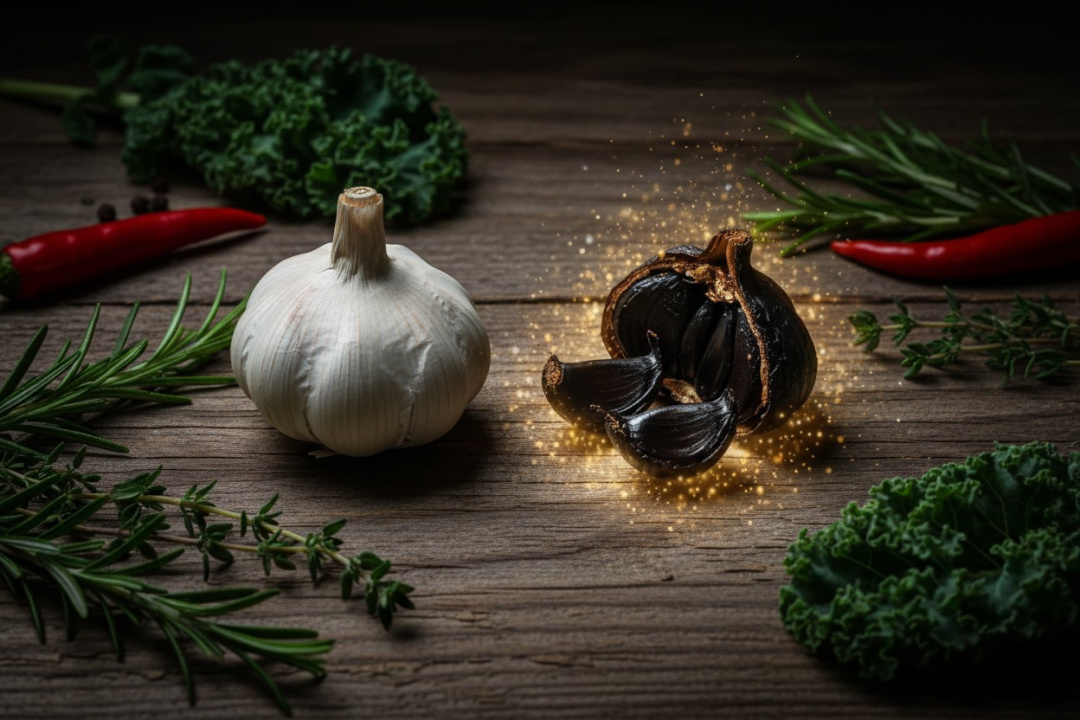
A recent report emphasizes the health benefits of black garlic, a food produced by aging raw garlic at controlled low temperatures over several weeks. This unique process transforms garlic into a dark, soft, and sweeter version, significantly altering its chemical profile and concentrating protective plant compounds. According to the findings, black garlic contains up to ten times more hydroxycinnamic acid and eight times more flavonoids than regular garlic. The aging process not only enhances these beneficial compounds but also improves the body's ability to absorb them.
Black garlic is produced through a fermentation-like process that sets it apart from raw garlic. It is described as a nutrient-dense superfood with remarkable health benefits, including its potential to support heart health. The transformation of garlic is often likened to a 40-day journey, where heat and time work together to enhance its nutritional value. This slow aging process is crucial, as it alters the garlic's composition, enriching it with sulfur-containing compounds and antioxidants known for their cellular-protective properties.
Research indicates that the antioxidants in black garlic can neutralize free radicals, which are linked to over 60 serious health conditions. The report cites that diets rich in garlic are associated with lower rates of hypertension, high cholesterol, and atherosclerosis. Additionally, black garlic extract may improve heart function and boost HDL cholesterol levels in individuals with existing heart disease.
Three cloves of black garlic contain only 13.4 calories and minimal protein and fat, making it a low-calorie addition to various dishes. The report also notes that flavonoids, potent antioxidants found in black garlic, can help block angiotensin-converting enzyme inhibitors and strengthen capillaries, which are essential for nutrient delivery to cells. This is particularly relevant given that nearly half of all American adults are reported to suffer from cardiovascular issues.
While black garlic is generally safe for most people, those with garlic allergies should avoid it. Excessive consumption may lead to unpleasant side effects such as breath odor, nausea, or gas. Additionally, improperly aged black garlic can pose risks, so it is recommended to use commercially prepared products rather than homemade versions. Black garlic supplements may interact with blood-thinning medications, and pregnant or breastfeeding women should consult a healthcare provider before consuming high doses.
The report concludes that black garlic offers a natural way to enhance antioxidant intake and support heart health without significant risks. While the evidence is promising, further studies are needed to confirm its long-term effects. Incorporating commercially prepared black garlic into a balanced diet may provide health benefits, reinforcing the idea that proper nutrition is key to the body's inherent ability to heal.