International Supermarkets Offer Solutions for Home Cooking Burnout
When kitchen burnout strikes, many families find it challenging to decide what to prepare for dinner each day. With the rising costs of eating out and the convenience of processed foods, cooking at home emerges as a healthier alternative, allowing for better control over ingredients like salt and sugar. One effective way to rejuvenate home cooking is by exploring international supermarkets, which offer a diverse array of flavors and ingredients that can invigorate meals.
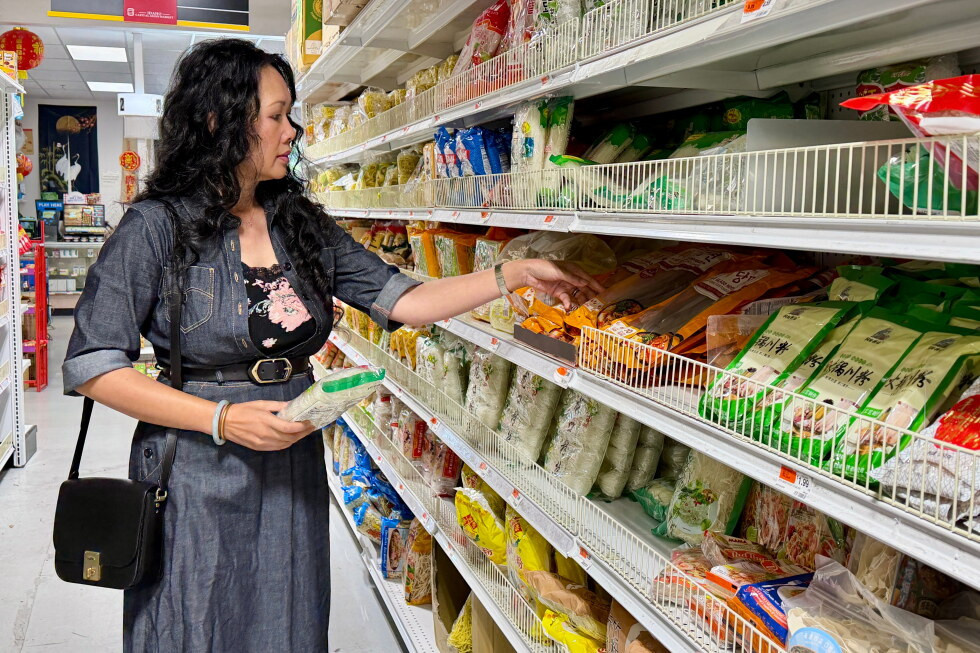
Palina Louangketh, a passionate foodie and director of the Idaho Museum of International Diaspora, emphasizes the cultural experience and health benefits of shopping at international markets. During a recent visit to the Idaho Capital Asian Market in Boise, she highlighted the variety of products from countries such as China, Japan, Vietnam, Thailand, and South Korea. Louangketh suggests that incorporating unfamiliar ingredients with pantry staples can simplify the cooking process and enhance meal variety. For instance, pairing proteins with vegetables and starches, and adding savory sauces like soy or oyster sauce, can create delicious and balanced dishes.
Navigating an international grocery store may initially seem daunting, especially with products labeled in foreign languages. However, Beryl Shereshewsky, a New York video producer and cultural food enthusiast, notes that many international markets are accessible even in smaller towns. She encourages shoppers to explore these markets as they often reflect the culinary traditions of local immigrant communities, providing opportunities to discover new ingredients and recipes.
Sales at international supermarkets have been steadily increasing, according to market research firm IBISWorld, indicating a growing interest in diverse food options. In Boise alone, there are over 20 international markets catering to a population of just over 235,000 residents. Shereshewsky points out that venturing beyond familiar grocery stores can lead to delightful culinary discoveries.
Store employees, like Bailey Hughes at the Idaho Capital Asian Market, are often eager to assist customers in navigating the aisles. Hughes notes that shoppers frequently come in seeking ingredients for viral recipes, such as the Chinese Baddie Tea, which has gained popularity online.
To make the most of an international market visit, advance research can be beneficial. Food bloggers specializing in various cuisines can provide insights and recommendations, making it easier to shop with a purpose. Shereshewsky advises creating a specific shopping list to avoid feeling overwhelmed by the array of unfamiliar products.
For those hesitant to dive into entirely new cuisines, starting with familiar dishes and adding international twists can be a great approach. For example, substituting scrambled eggs with a Ugandan rolex, or enhancing a basic salad with Taiwanese spinach, can introduce new flavors without straying too far from comfort zones.
International markets often offer spices, fresh produce, and specialty sauces at competitive prices compared to mainstream grocery stores. However, shoppers should remain vigilant, as some high-end specialty items can also be found at these markets.
Ultimately, the joy of exploring international cuisines lies in appreciating the cultures and communities behind the food. Louangketh encourages individuals to engage with these culinary traditions by attending cultural events or taking cooking classes, such as those offered by the Idaho Museum of International Diaspora. Understanding the history and significance of various dishes can deepen one’s appreciation for the diverse culinary landscape and foster connections through food.