Exploring Tools and Products to Alleviate Poor Circulation Symptoms
This past summer, the discussion around poor circulation gained attention when Donald Trump’s medical team mentioned his diagnosis of chronic venous insufficiency, a common vein-related condition affecting many individuals. To understand the symptoms of poor circulation, Dr. Sukgu M. Han, a vascular surgeon and co-director of the USC Comprehensive Aortic Center, provided insights into the issue. Poor venous circulation can lead to blood pooling in areas like the legs and feet due to improper blood flow back to the heart. Dr. Han noted that common symptoms include leg swelling, cramps, and a feeling of heaviness in the legs.
Normal circulation is crucial for the body’s healing processes, as it supplies necessary blood and oxygen to everyday injuries, preventing complications such as ulcers or even limb loss in severe cases. Dr. Han emphasized the distinction between venous and arterial circulation issues, as both can present similar symptoms but affect different aspects of blood flow. He advised anyone experiencing chronic symptoms to consult a vascular specialist for proper diagnosis and treatment.
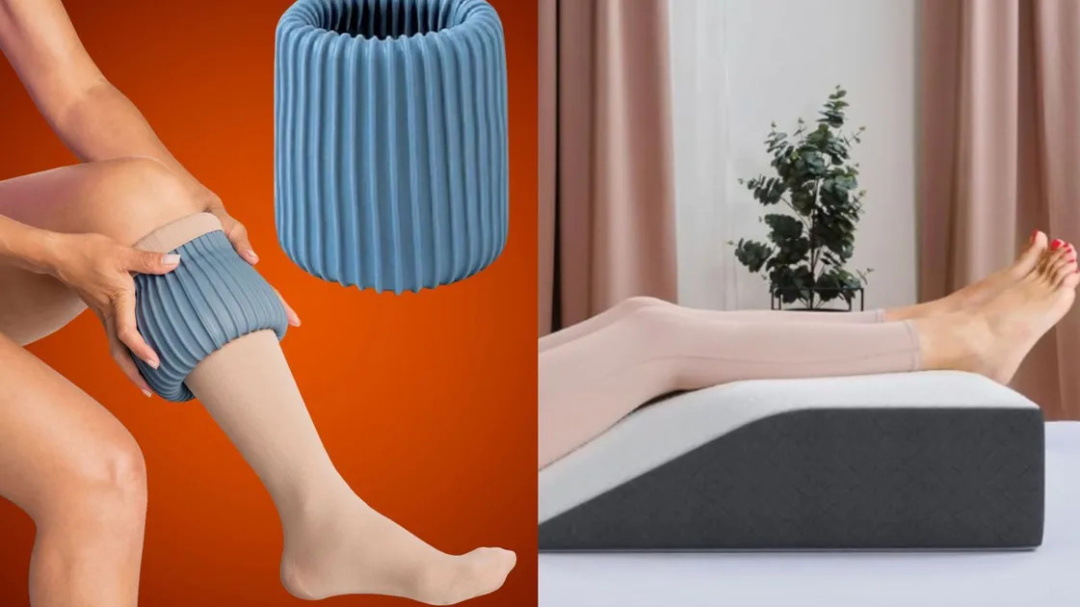
In light of this, Dr. Han recommended several over-the-counter products that can assist in managing mild to moderate cases of poor circulation. Compression socks or stockings are often referred to as "the gold standard" for treating swelling in the legs, feet, and ankles. Dr. Han highlighted their role in preventing leg swelling and supporting venous return, which can help mitigate the progression of venous-related issues. While he did not endorse specific brands, popular knee-high compression socks with over 93,500 ratings on Amazon provide targeted support and are available in various sizes.
Compression stockings vary in strength, with some offering medical-grade pressure for chronic venous insufficiency. Dr. Han mentioned that higher-pressure stockings can be challenging to put on, but tools are available to assist those with limited mobility. Elevating the legs above heart level can also aid in reducing swelling, and Dr. Han suggested using elevation pillows for this purpose.
Additionally, leg massage machines can help relieve symptoms associated with poor circulation by promoting fluid movement away from the lower extremities. Some compression boots utilize air chambers to provide kneading massages, which can be beneficial.
For those experiencing cold hands and feet, Dr. Han noted that warming items can enhance microcirculation. He recommended therapy mittens that can be heated in the microwave, filled with materials that retain warmth and provide soothing effects. Similarly, a plush foot device offers warming support combined with massage benefits.
Dr. Han also mentioned that omega fatty acids, found in fish oil, may be beneficial for arterial circulation issues, whether taken as supplements or included in the diet. However, he advised consulting a healthcare professional before starting any new supplements.
Overall, while these products can help manage symptoms, it is essential to seek professional medical advice for persistent circulation issues to ensure appropriate care and treatment.