Understanding the Causes of Persistent Bloating After Meals
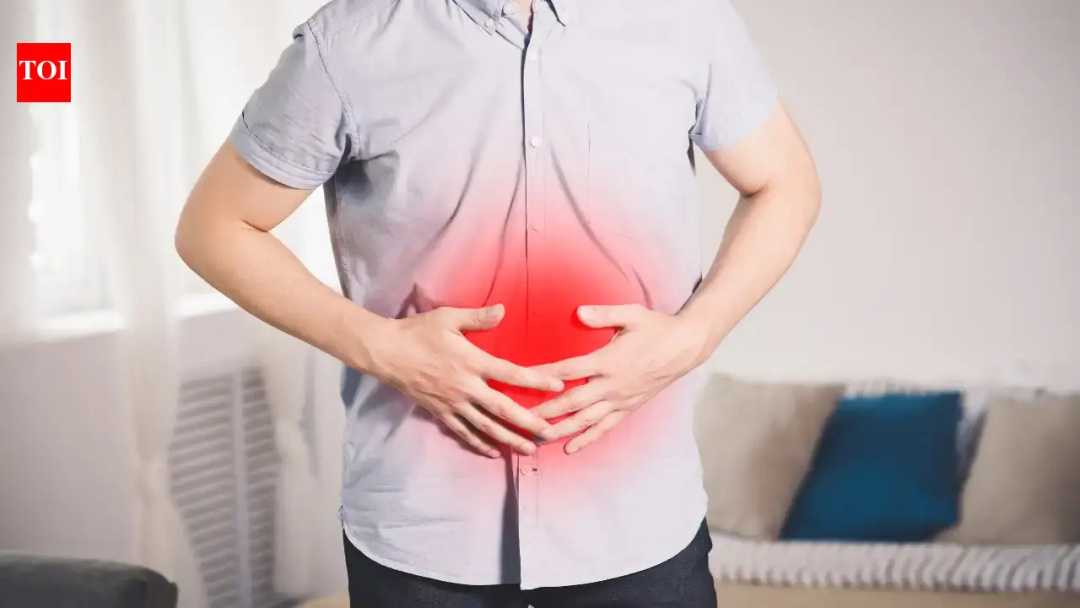
Bloating is a common experience for many people, often dismissed as a result of overeating or consuming gas-producing foods. However, when bloating becomes a frequent occurrence, it may signal deeper issues such as food intolerances or digestive disorders. Dr. Manish Dodmani, a Consultant Gastroenterologist at KIMS Hospital Thane, emphasizes the importance of paying attention to the frequency and context of bloating episodes. While occasional bloating after a heavy meal is typically not a cause for concern, persistent discomfort can disrupt daily life and should not be ignored.
Bloating occurs when the digestive system struggles to move food and gas effectively. Factors contributing to this discomfort include eating too quickly, consuming large portions, and drinking carbonated beverages, which can introduce excess air into the digestive tract. Certain foods, such as beans, dairy products, and those containing artificial sweeteners, may also trigger bloating in sensitive individuals.
It is crucial to observe patterns associated with bloating. Noting whether symptoms arise after specific foods, whether they occur immediately or hours post-meal, and if they are accompanied by other symptoms like abdominal pain or changes in bowel habits can provide valuable insights. Keeping a food and symptom diary can help identify potential triggers.
Adjusting eating habits can alleviate some discomfort. Strategies such as consuming smaller portions, eating more slowly, and ensuring thorough chewing can support digestive health. Staying hydrated and incorporating regular physical activity are also beneficial for maintaining normal bowel function. However, eliminating foods without understanding the underlying reasons may lead to nutritional deficiencies or other issues.
Certain warning signs should prompt immediate medical attention. These include unexplained weight loss, persistent vomiting, blood in the stool, severe abdominal pain, difficulty swallowing, or significant changes in bowel habits. Such symptoms should not be attributed solely to indigestion, as they may indicate more serious gastrointestinal conditions.
For most individuals, occasional bloating is a normal aspect of digestion. The key is to recognize when it becomes a pattern that warrants further investigation. Rather than relying solely on dietary changes or over-the-counter remedies, understanding the underlying causes of persistent bloating is essential for effective management.